Commercial Solar Installation Parramatta: 2026 Guide
Commercial solar installation Parramatta costs typically range between $12,000 and $120,000 depending on system size, with most local businesses installing 20kW to 100kW systems that pay for themselves in 2.5 to 5 years. A 50kW system, a common choice for Parramatta warehouses and office buildings, costs approximately $40,000 to $60,000 after Small-scale Technology Certificate (STC) rebates and typically saves $14,000 to $18,000 per year in electricity costs. Interactive Solar, a CEC-accredited installer servicing greater Parramatta and Western Sydney, designs and installs commercial systems that are engineered around each business’s actual daytime energy consumption rather than a one-size-fits-all package.
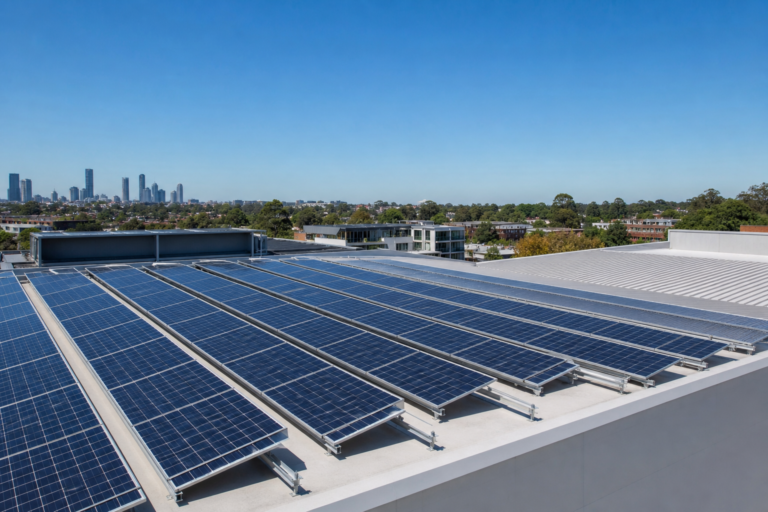
Parramatta’s mix of light industrial estates, retail strips, medical centres, and corporate office parks makes it one of the strongest commercial solar markets in Western Sydney. This guide breaks down real 2026 pricing, system sizing, rebates, payback periods, and what to expect from installation day through to system handover.
How Much Does Commercial Solar Installation Cost in Parramatta?
Commercial solar installation Parramatta pricing scales with system size rather than a flat per-business rate. Larger systems achieve a lower cost per kilowatt because fixed costs (scaffolding, switchboard upgrades, project management) are spread across more panels.
| System Size | Installed Cost (after STCs) | Typical Business Type | Est. Annual Savings |
|---|---|---|---|
| 10kW | $9,500 – $13,000 | Small office, cafe, retail shop | $2,800 – $3,600 |
| 20kW | $17,000 – $23,000 | Medical centre, showroom | $5,600 – $7,200 |
| 30kW | $24,000 – $32,000 | Light industrial unit, gym | $8,400 – $10,800 |
| 50kW | $40,000 – $60,000 | Warehouse, distribution centre | $14,000 – $18,000 |
| 100kW | $72,000 – $110,000 | Large factory, cold storage | $28,000 – $36,000 |
These figures already factor in the Small-scale Renewable Energy Scheme (SRES) rebate for systems under 100kW. Systems above 100kW instead generate Large-scale Generation Certificates (LGCs) through the Renewable Energy Target, which are typically sold on to a wholesaler by the installer at time of commissioning to further reduce the upfront cost.
What Size Commercial Solar System Does a Parramatta Business Need?
System sizing for commercial solar installation in Parramatta should be based on your daytime energy consumption pattern, not your roof size or your electricity bill alone. Interactive Solar starts every commercial quote by reviewing 12 months of NMI interval data to map exactly when a business draws power.
- Businesses trading 9am-5pm (offices, medical, retail) generally see the best return sizing to cover 70-90% of daytime load, since exported excess is credited at a much lower feed-in tariff than self-consumed power is worth.
- Businesses running extended or 24-hour operations (cold storage, manufacturing, distribution) often benefit from sizing closer to peak demand and pairing the system with a commercial battery to shift solar into evening or night shifts.
- Businesses with seasonal demand spikes (hospitality, seasonal retail) should model summer versus winter consumption separately, as an undersized system leaves savings on the table in peak months.
As a rule of thumb, a Parramatta business consuming more than 40,000 kWh per year and operating primarily during business hours is generally a strong candidate for a 20kW to 50kW system, while sites over 100,000 kWh annual consumption often justify 100kW or larger installations.
Commercial Solar Rebates and Incentives in Parramatta for 2026
Several rebate and incentive pathways apply to commercial solar installation Parramatta projects in 2026, and stacking them correctly is where most of the real savings are found.
- Small-scale Technology Certificates (STCs): Available for systems up to 100kW, STCs provide an upfront discount calculated using a deeming period that steps down annually; as of 2026 the deeming period sits at 5 years, slightly reducing rebate value compared to 2025 but still delivering a meaningful discount on install cost.
- Large-scale Generation Certificates (LGCs): For systems over 100kW, LGCs are generated annually based on actual output and can be sold to retailers, effectively functioning as an ongoing revenue stream rather than a one-off rebate.
- NSW commercial battery incentives: A major expansion announced in mid-2026 broadened the state’s battery rebate scheme to cover small and medium businesses, with support now available for batteries sized between 20kWh and 200kWh (capped at four-hour systems), stacking with the federal Cheaper Home Batteries Program discount for eligible commercial sites.
- Instant asset write-off and depreciation: Solar systems generally qualify as depreciating plant and equipment. Businesses using Temporary Full Expensing or the small business simplified depreciation pool can often claim the majority of the system cost as a tax deduction in the year of installation, materially shortening the after-tax payback period.
- Green business loans: Several NSW-aligned lenders and equipment finance providers offer reduced-interest loans for verified renewable energy equipment, letting businesses fund a system from projected electricity savings rather than upfront capital.
Businesses should confirm current STC zone ratings and rebate values before committing to a quote, since certificate prices fluctuate with the broader renewable energy certificate market. For official program details, see the Clean Energy Regulator’s STC guidance.
Commercial Solar Installation Parramatta: Payback Period and ROI
Payback periods for commercial solar installation Parramatta projects typically range from 2.5 to 5 years, making it one of the more attractive capital investments available to a local business. A worked example illustrates the maths:
Case example: 30kW system on a Parramatta retail showroom
- Installed cost after STCs: approximately $27,000
- Annual electricity savings: approximately $9,600 (based on 70% daytime self-consumption at current commercial tariff rates)
- Simple payback period: 2.8 years
- 25-year system warranty means roughly 22 years of largely free electricity generation after payback
- After-tax payback shortens further when depreciation deductions are applied in year one
Return on investment compounds over the panel’s lifespan because commercial electricity tariffs have trended upward in recent years while the system’s output remains fixed at close to zero marginal cost. Businesses that pair solar with battery storage can extend savings further by using stored solar to cover evening operations or to reduce demand charges during network peak periods.
Which Parramatta Suburbs Does Interactive Solar Service?
Interactive Solar installs commercial solar systems across Parramatta and the surrounding Western Sydney commercial precincts, including Harris Park, Rosehill, Camellia, North Parramatta, Rydalmere, Granville, Westmead, Northmead, and Old Toongabbie. Parramatta sits within the Endeavour Energy network area, which affects export limits and switchboard requirements for larger systems, an important consideration Interactive Solar factors into every system design and grid connection application.
Parramatta’s growing status as Sydney’s “second CBD” has driven strong demand for commercial commercial solar installations across new office towers, medical precincts around Westmead, and the light industrial estates along James Ruse Drive and around Camellia.
What Equipment Does Interactive Solar Use for Commercial Installations?
Interactive Solar specifies commercial-grade equipment for every Parramatta project, matched to the site’s load profile and roof structure:
- Tier 1 panels: High-efficiency monocrystalline panels rated for Australian conditions, backed by manufacturer performance warranties of 25 years or more.
- Three-phase commercial inverters: Sized and configured to meet Endeavour Energy export limits while maximising self-consumption throughout the working day.
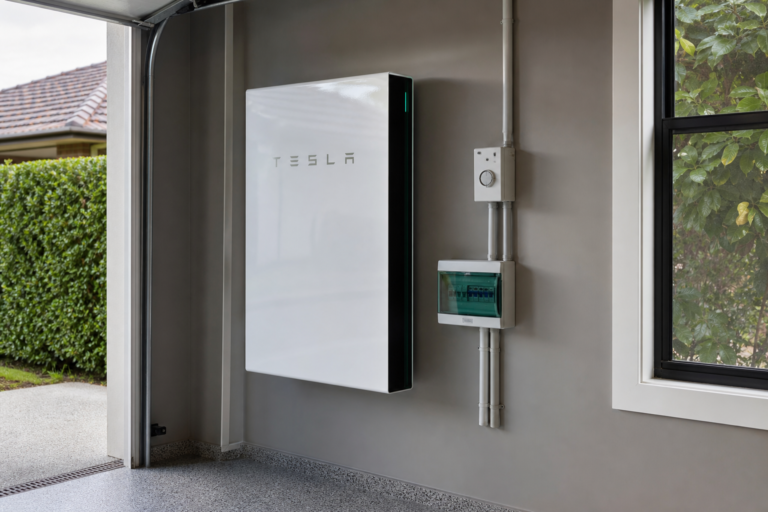
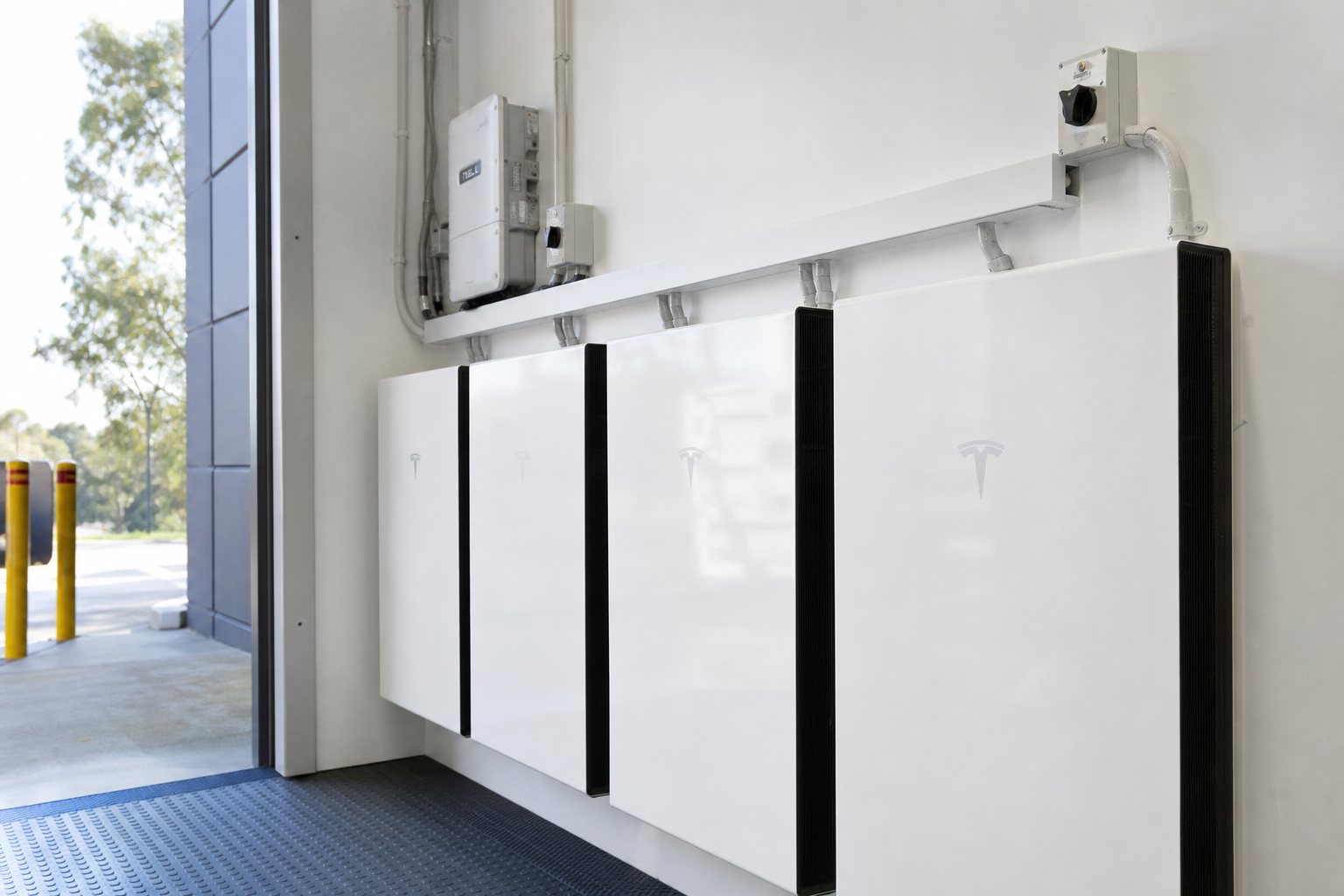
- Battery storage: Tesla Powerwall and Sungrow commercial battery systems for businesses wanting to extend solar use into after-hours operations or reduce demand charges.
- Monitoring and reporting: Live production dashboards so facility managers can track generation, consumption, and export in real time, useful for sustainability reporting and NABERS-style disclosures.
How Long Does Commercial Solar Installation Take in Parramatta?
A typical commercial solar installation Parramatta project runs on the following timeline:
- Site assessment and NMI data review (1-2 weeks): Interactive Solar reviews historical interval consumption data and conducts a roof and switchboard inspection.
- System design and quoting (3-5 business days): A tailored proposal is prepared showing system size, expected output, rebates, and payback modelling.
- Grid connection application (2-6 weeks): Endeavour Energy approval timelines vary with system size; systems above 100kW generally require a more detailed network impact assessment.
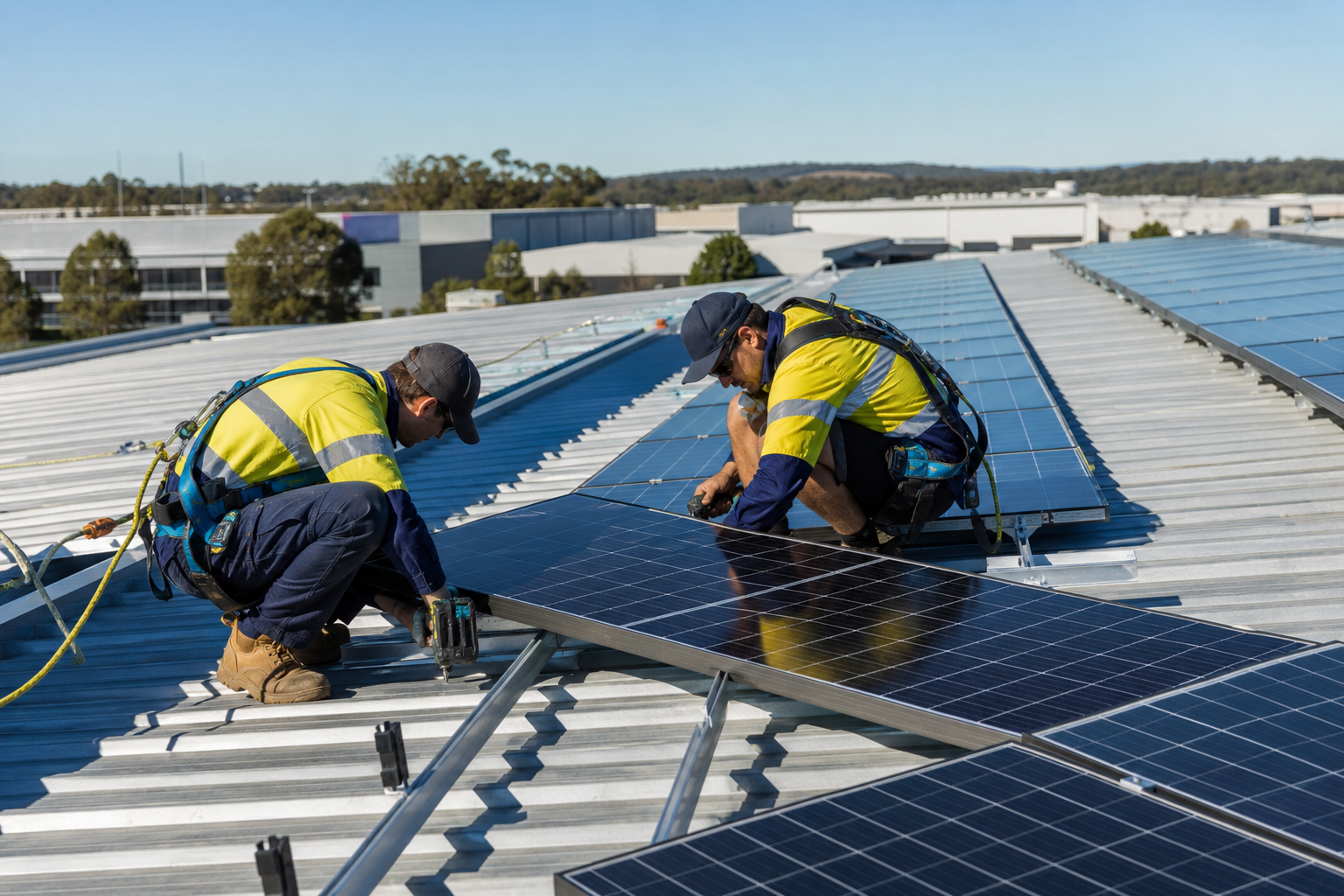
- Installation (1-5 days on site): Most systems under 50kW are physically installed within one to two days; larger systems above 100kW may require staged installation across a week or more to minimise disruption to trading hours.
- Commissioning and STC/LGC processing: Once connected, the system is commissioned and certificate paperwork is lodged, typically finalising within 2-4 weeks of installation.
Businesses planning a fit-out, roof replacement, or new premises in Parramatta should engage Interactive Solar early in the process, since coordinating solar with other trades can reduce total project cost and downtime.
Commercial Solar Installation Parramatta for Strata and Multi-Tenant Buildings
A growing share of Interactive Solar’s commercial solar installation Parramatta enquiries come from strata-titled office buildings and multi-tenant industrial estates, where the electricity account structure adds an extra layer of planning. Unlike a single-tenant warehouse, a strata building typically has a mix of common property metering (lifts, lighting, car park ventilation) and individual tenancy meters, and the solar strategy needs to match that split.
- Common property solar: A system sized to offset the owners corporation’s common property consumption can materially reduce strata levies, and only requires sign-off from the owners corporation rather than every individual tenant.
- Embedded network solar: Larger commercial buildings can install an embedded network that allows generated solar to be on-sold to tenants at a rate below the standard retail tariff, creating a new revenue stream for the building owner while lowering tenant electricity costs.
- Tenant-funded solar: In some lease structures, the tenant funds the system directly and retains the savings, with the asset either removed or transferred at lease end depending on the agreement.
Interactive Solar works directly with strata managers, body corporates, and commercial landlords across Parramatta to structure the right ownership and metering model before design work begins, avoiding costly rework later in the approval process.
Commercial Solar Installation Parramatta FAQs
Is commercial solar worth it for a small Parramatta business?
Yes. Even a 10kW to 20kW system on a small office or retail premises typically pays back within 3 to 5 years and continues generating close to free electricity for the remainder of its 25-year warranty period, making it one of the few capital investments a small business can make with a predictable, compounding return.
Do I need council approval for commercial solar in Parramatta?
Most rooftop commercial solar installations are exempt development under NSW planning rules provided they meet height and setback requirements. Heritage-listed buildings or larger ground-mounted systems may require development approval through the City of Parramatta Council; Interactive Solar handles this assessment as part of every quote.
What happens to unused solar energy during weekends or shutdowns?
Excess generation not consumed on-site is exported to the grid and credited at the applicable commercial feed-in tariff, or stored in a battery system for use when operations resume. Businesses with significant weekend downtime often benefit from adding battery storage to capture more value from the system.
Can I finance a commercial solar system instead of paying upfront?
Yes. Equipment finance and green business loans are widely available for commercial solar, often structured so loan repayments are lower than the electricity savings generated, meaning the system can be cash-flow positive from day one.
How much roof space is needed for a 50kW commercial solar system?
A 50kW system typically requires around 250 to 300 square metres of usable, unshaded roof area, though exact requirements depend on panel wattage, roof orientation, and any obstructions such as HVAC units or skylights.
Does Interactive Solar offer maintenance for commercial systems?
Yes, through the Interactive Care program, which covers scheduled performance checks, panel cleaning recommendations, and rapid response for any fault or underperformance alerts flagged by the monitoring system.
What is the difference between commercial solar and residential solar installation?
Commercial systems generally use three-phase inverters, involve more detailed grid connection approval, and are sized around business consumption patterns and tariff structures rather than household load. See our residential solar guide if you are assessing a home installation instead.
Why Choose Interactive Solar for Commercial Solar Installation in Parramatta?
Interactive Solar is a CEC-accredited installer with direct experience delivering commercial solar installation Parramatta projects across offices, warehouses, medical centres, and light industrial sites. The team designs every system around actual NMI consumption data, manages the full STC and LGC certificate process, and coordinates Endeavour Energy grid connection approvals so business owners are not left navigating paperwork alone.
Beyond solar panels, Interactive Solar supports Parramatta businesses with commercial battery storage, EV charging infrastructure for fleet vehicles, and ongoing maintenance and monitoring through Interactive Care. Current offers are listed on the Solar Specials page, and past projects can be viewed in the project gallery.
To get a tailored quote for your Parramatta business, request a site assessment through the contact page, or read what other Western Sydney business owners have said in the customer reviews.