Solar System Installation Sydney: 2026 Complete Guide
A professional solar system installation Sydney homeowners can rely on typically runs from an initial site assessment through design, Ausgrid or Endeavour Energy network approval, a one-day install by a licensed crew, and final grid connection and commissioning, usually taking two to six weeks start to finish. Interactive Solar has completed a solar system installation Sydney-wide for more than 1,300 homes and businesses, using our own in-house install teams rather than subcontractors, so every step from quote to switch-on is handled by one accountable team.
This guide walks through exactly what happens at each stage of a residential solar system installation in Sydney in 2026, what it costs after current rebates, how network rules from Ausgrid and Endeavour Energy affect your system size, and what to check before you sign a contract.
Solar System Installation Sydney: The Step-by-Step Process
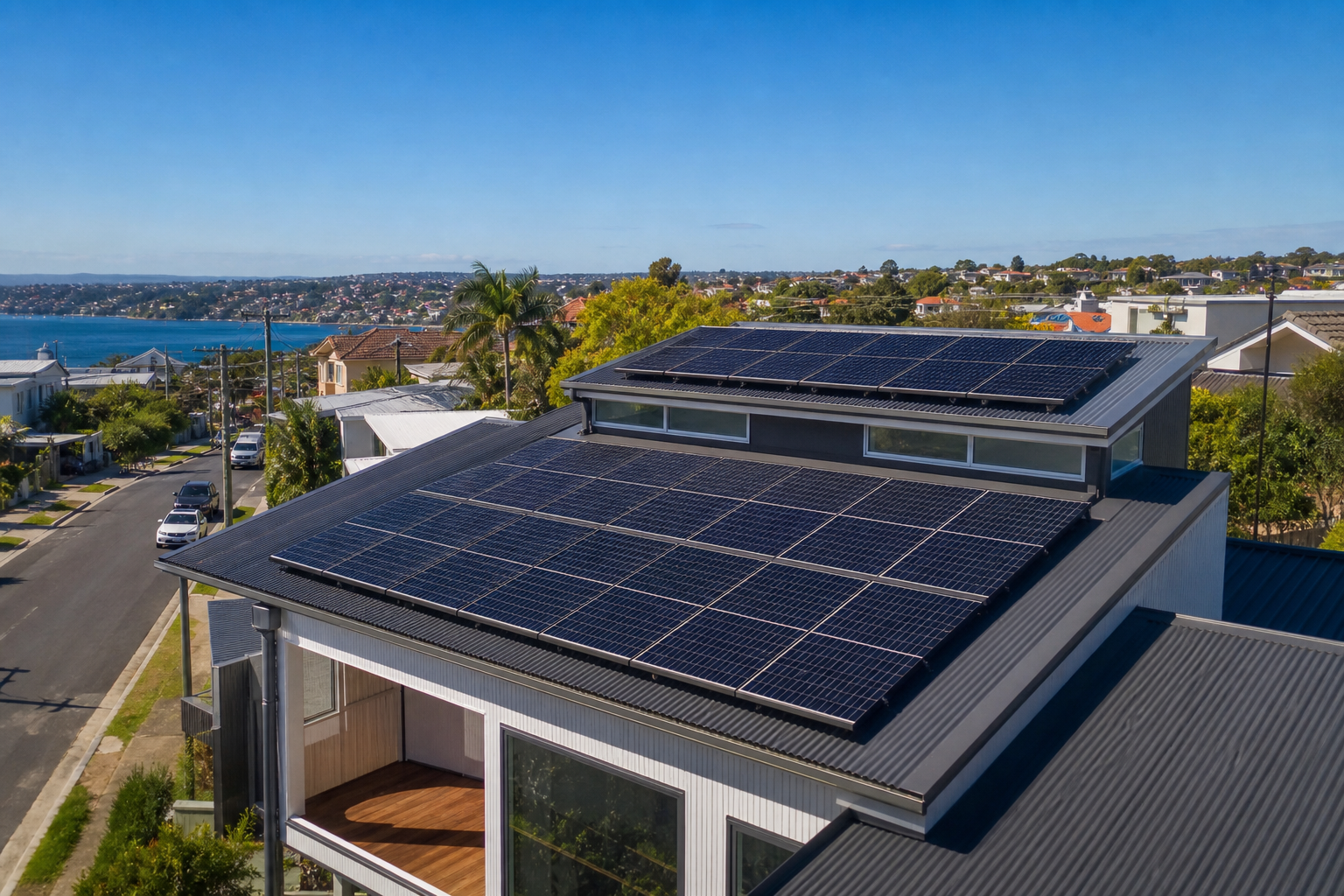
A compliant solar system installation Sydney-wide follows a fixed sequence set by the Clean Energy Regulator and your local network operator. Skipping steps is how homeowners end up with rejected STC claims or a system the network operator refuses to connect.
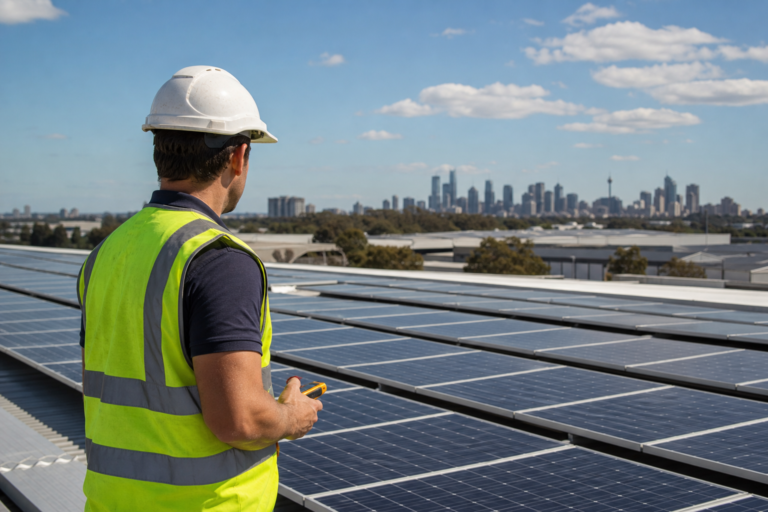
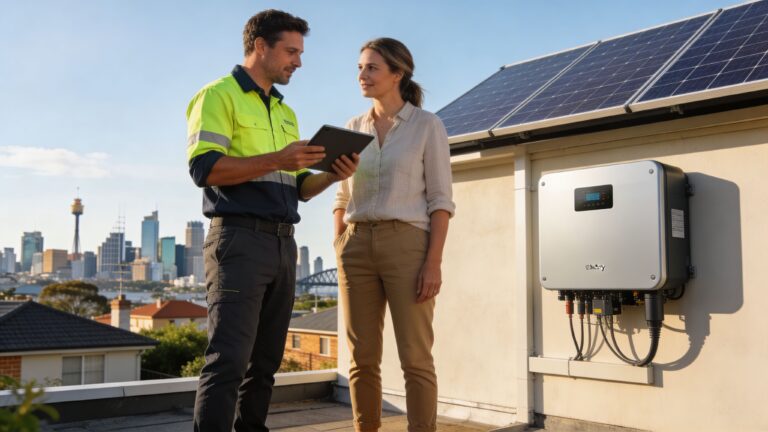
- Site assessment. A designer checks your roof orientation, pitch, shading, switchboard capacity and existing wiring, either from satellite imagery and a phone consult or an on-site visit for older homes.
- System design and quote. You receive a fixed-price proposal specifying panel brand and count, inverter model, mounting system, and the exact STC discount applied at the point of sale.
- Network application. Your installer lodges a connection application with Ausgrid or Endeavour Energy (whichever covers your address) before any work begins. This is a legal requirement, not a formality.
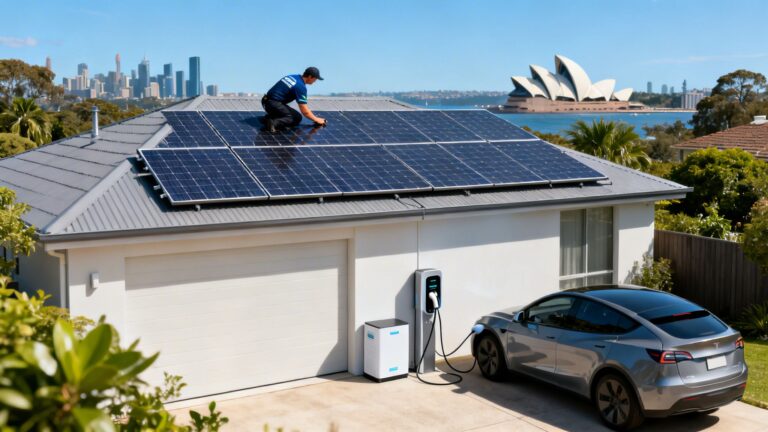
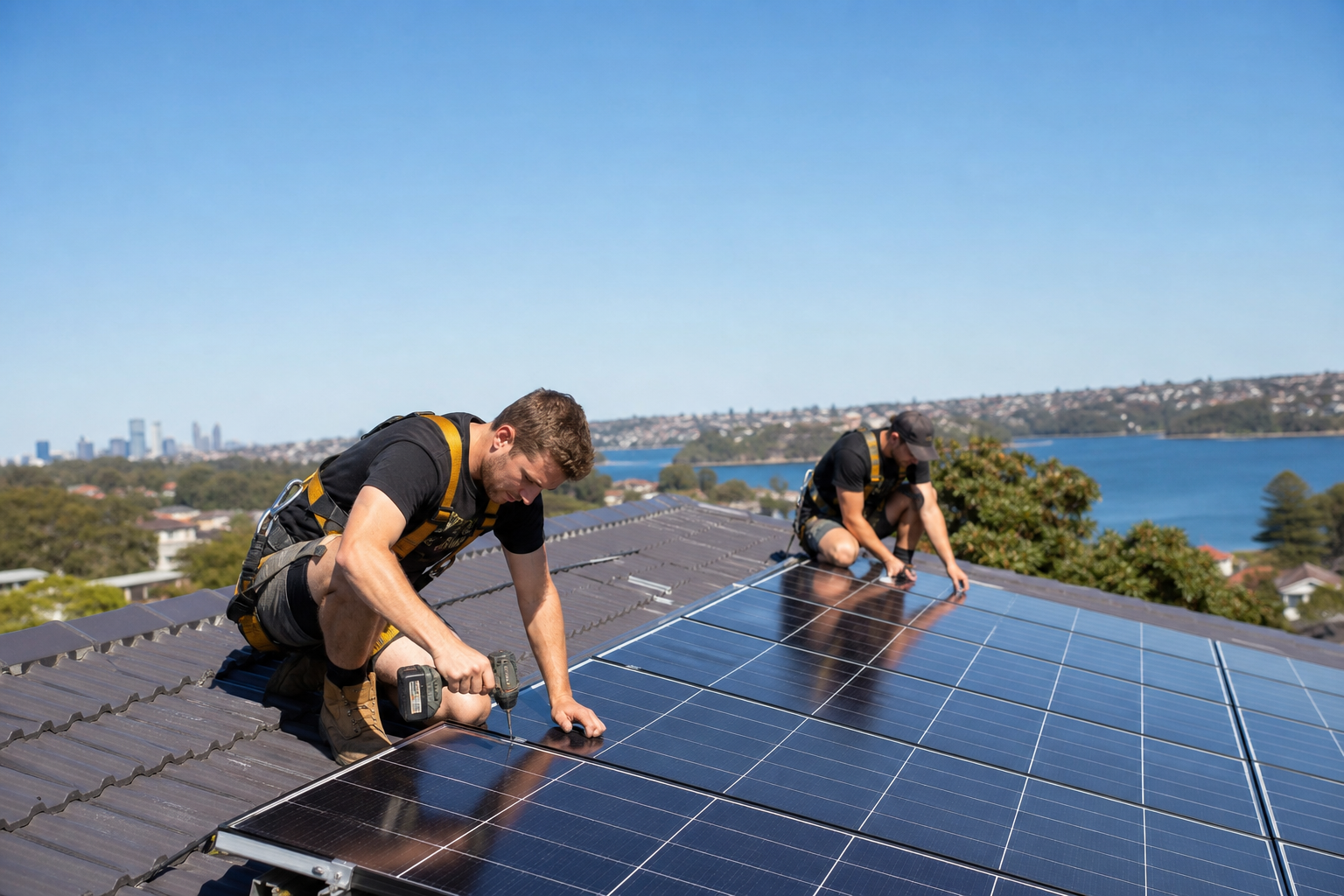
- Installation day. A standard 6.6kW to 10kW residential system is mounted, wired and tested in a single day by a licensed electrician and Solar Accreditation Australia endorsed installer.
- Inspection and compliance documentation. The installer issues a Certificate of Compliance for Electrical Work and completes the commissioning sheet required for STC creation.
- Grid connection and metering. Once your network operator issues permission to connect (or the installation proceeds under a basic connection offer), your retailer arranges a bi-directional meter if you don’t already have one.
- Monitoring handover. You get access to the inverter’s monitoring app so you can see generation, self-consumption and export in real time from day one.
How Long Does It Take?
Most Sydney homeowners go from signed quote to switched-on system in two to four weeks. Network approval is usually the longest step: Ausgrid and Endeavour Energy both target a five business day turnaround for standard applications, but it can stretch to several weeks if your street transformer is already near capacity.
Solar System Installation Sydney: 2026 Cost and Rebate Guide
The federal Small-scale Renewable Energy Scheme (SRES) is the main discount applied to every eligible solar system installation Sydney project, deducted at the point of sale rather than claimed later. Sydney sits in STC Zone 3 (rating 1.382), and the deeming period stepped down to five years for 2026 (it was six in 2025), which slightly reduces the STC volume a system creates each year the scheme runs.
- 6.6kW system: around 45 STCs, roughly $1,700 to $1,800 off the upfront price.
- 10kW system: around 69 STCs, roughly $2,600 to $2,800 off.
- Typical installed price after rebate: $5,000 to $8,000 for 6.6kW, $7,500 to $11,000 for 10kW, $9,500 to $13,500 for 13.2kW, based on current Sydney market pricing.
Most Sydney households with a 6.6kW to 10kW system and moderate daytime usage see a payback period of three and a half to five years, after which the system generates savings for the remainder of its 25-year panel warranty.
If you’re weighing up total cost against system size in more detail, our residential solar installation cost guide breaks down pricing tier by tier.
NSW State Support on Top of the Federal Rebate
The NSW Home Energy Saver program adds interest-free loans (reported up to $15,000 for combined solar and battery purchases through approved providers) and, for eligible lower-income households, targeted discounts of up to $4,000. These stack with the federal SRES discount but must generally be applied for before your installer locks in a start date, so raise it during your first consultation, not after signing.
What Size Solar System Do You Need?
Sizing comes down to your daily electricity usage, roof space, and export limits set by your network operator, not a single “average Sydney home” number. As a rough guide:
- 4.5 to 6.6kW: households using 15 to 25kWh per day, typical for a 2 to 3 bedroom home without a pool or EV.
- 6.6 to 10kW: households running a pool pump, ducted air conditioning, or planning an EV charger within a few years.
- 10kW and above: larger homes, homes with an existing or planned battery, or households wanting to fully offset high daytime consumption.
Because exported solar earns very little (NSW’s IPART benchmark feed-in tariff sits at just 3.4 to 6.5 cents per kWh for 2026-27, down from 4.8 to 7.3 cents the year before) while grid import costs 30 to 40 cents per kWh, the financial case for sizing toward your own daytime usage, not maximum export, is stronger than ever. Every kWh you use yourself is worth five to ten times more than a kWh you sell back.
Network Rules: Ausgrid vs Endeavour Energy Export Limits
Your address determines which distributor governs your solar system installation Sydney project, and the two networks set different limits on inverter size and export.
- Ausgrid (Sydney metro, Eastern Suburbs, Inner West, North Shore, Northern Beaches, Central Coast, Hunter): allows single-phase sites up to a 30kVA inverter if export is limited to 10kW or less, giving flexibility for larger systems paired with a battery or export limiting device.
- Endeavour Energy (Western Sydney, Parramatta, Blacktown, Liverpool, Blue Mountains, Illawarra): standard fixed export limit is 5kW per phase, though the Flexible Exports program lifts eligible customers to 10kW using dynamic export management.
This is why a system that’s straightforward in one Sydney suburb can require an export limiting device or a formal network application in another. Interactive Solar checks your exact network zone and export headroom before finalising a design, not after.
Equipment: What Goes Into a Compliant Installation
Every installation must use products on the Clean Energy Regulator’s approved product list and comply with AS/NZS 5033, the Australian wiring standard for grid-connected PV arrays. Interactive Solar installs Tier 1 panels, including brands recognised in the 2026 SolarQuotes Installer’s Choice Awards (Aiko, Jinko, SunPower, REC and Trina Solar were the top five voted by installers nationally), paired with inverters sized to match your roof and export limit.
Installer accreditation itself moved from the Clean Energy Council to Solar Accreditation Australia in May 2024. The CEC still runs the approved product list and the Solar Retailer Code of Conduct, which Interactive Solar is a signatory to. The video below from the Clean Energy Council explains what the code covers and why it matters when choosing an installer.
Battery-Ready vs Battery-Included Installation
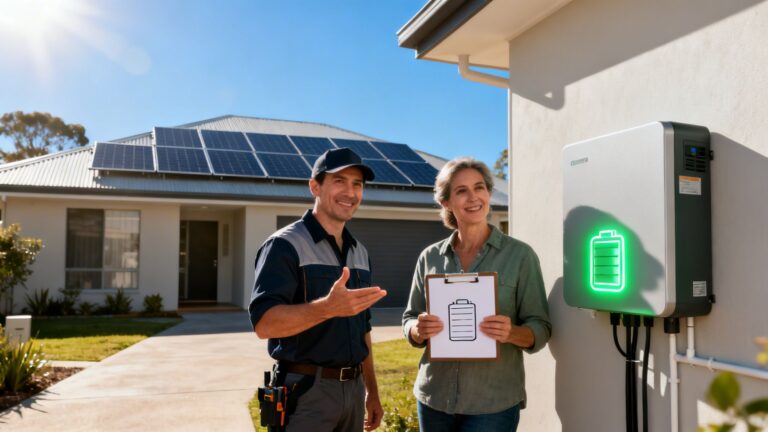
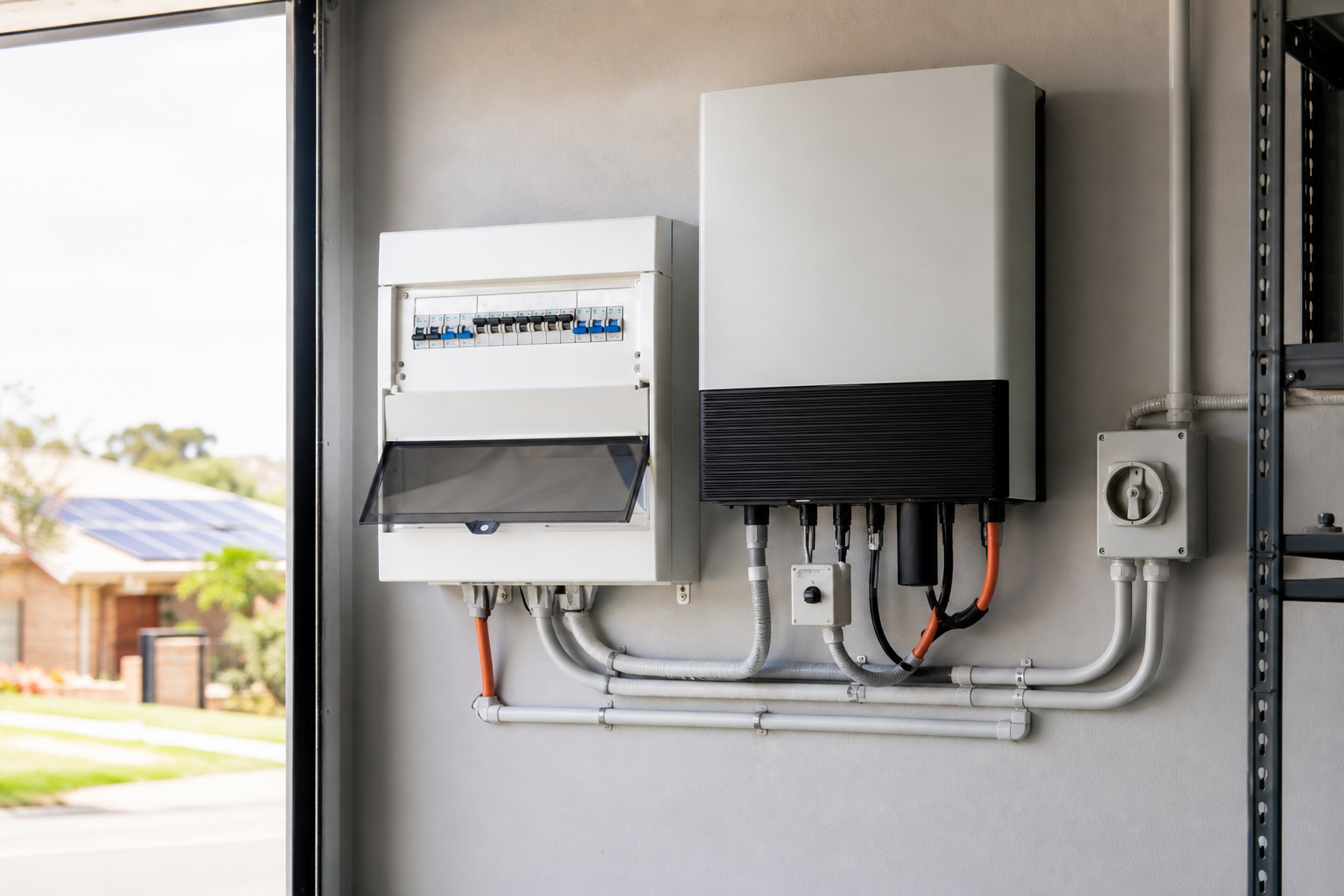
If a battery isn’t in your budget for this installation, we design the system as “battery-ready” from day one by installing a hybrid inverter, which is built to communicate with panels, the grid and a battery. Adding storage later then becomes a straightforward job rather than a system rebuild. Our solar batteries page covers Tesla Powerwall and Sungrow options if you’re planning to add storage within the next year or two, and our home battery rebate guide covers the current federal Cheaper Home Batteries Program in detail.
After the Panels Go Up: STCs, Connection and Commissioning
Once installation and testing are complete, your installer submits the compliance paperwork that allows STCs to be created and assigned, which is what delivered your point-of-sale discount. Your network operator then issues formal permission to connect (or confirms the basic connection already covers your system), and your retailer updates your meter registration so exports are recorded correctly on your bill.
Interactive Solar handles every one of these steps in-house, including the compliance certificate, the STC assignment, and liaising directly with Ausgrid or Endeavour Energy on your behalf, so you’re not chasing three different parties to get your system switched on.
Warranty, Maintenance and What Happens After Switch-On
A well-installed system needs very little attention. With no moving parts, panels are built to handle Sydney’s sun, hail and storms for 25-plus years. We recommend a professional clean and inspection every one to two years to check connections, confirm the inverter is performing to specification, and clear any build-up of dust or pollen that can gradually reduce output.
Every Interactive Solar installation is backed by manufacturer product and performance warranties on panels and inverter, plus our own workmanship warranty, with ongoing support available through our Interactive Care plan.
Why Choose Interactive Solar for Your Sydney Installation
Interactive Solar has installed more than 1,300 systems and supplied over 10MW of solar capacity across Sydney and Western Sydney, backed by a 15-person team, our own warehouse and office, and in-house installation crews rather than subcontracted labour. The business was founded by two partners with backgrounds in the Australian Army and RAAF, which shows up in how installations are run: methodical site checks, documented compliance at every stage, and a single point of contact from quote to switch-on.
You can read genuine feedback from local customers on our reviews page, where we currently hold 134 Google reviews. If you’re comparing installers, our Our Company page covers our accreditation and service area in full, and the gallery shows completed installations across the region. For businesses rather than homes, our commercial solar team handles warehouse and office installations on a different scale and approval pathway.
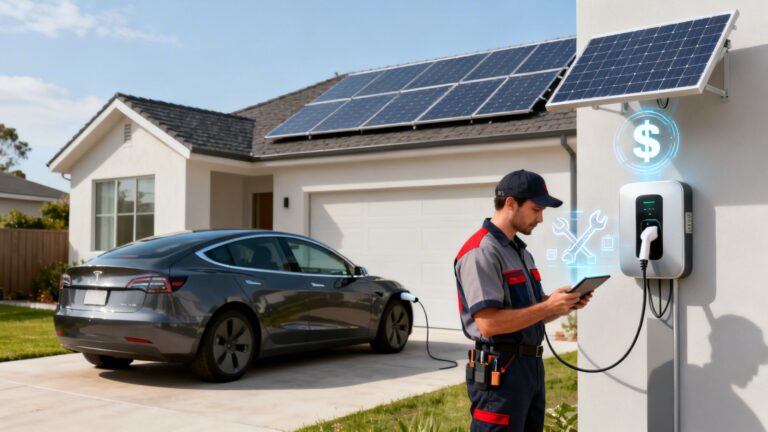
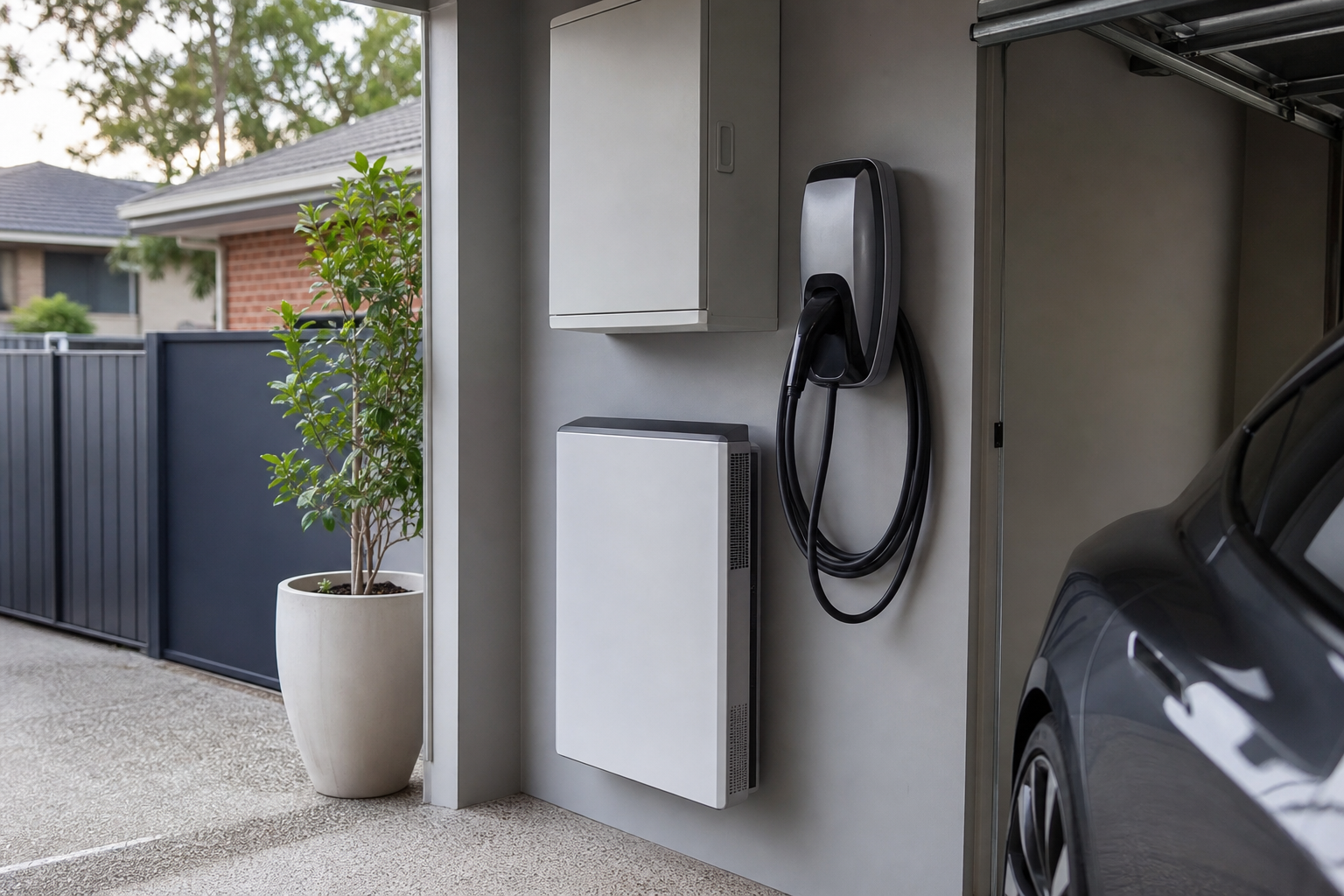
Current offers on panels, batteries and bundles are listed on our solar specials page, and EV owners planning to charge from their new system should also look at our EV charger installation options, which can be quoted alongside your solar system.
Frequently Asked Questions
How much does a solar system installation cost in Sydney in 2026?
After the federal SRES discount, a 6.6kW system typically costs $5,000 to $8,000 installed, a 10kW system $7,500 to $11,000, and a 13.2kW system $9,500 to $13,500, depending on panel brand, roof complexity and inverter choice.
How long does a solar installation take in Sydney?
Physical installation is usually completed in a single day for a standard residential system. Including the site assessment, network application and approval, most homeowners go from signed quote to switched-on system in two to four weeks.
Do I need council approval to install solar panels in Sydney?
Most residential rooftop solar installations are exempt development under NSW planning rules and don’t need a development application, but your installer still must lodge a formal connection application with Ausgrid or Endeavour Energy before work starts, which is a network requirement, not a council one.
Can I add a battery after my solar system is installed?
Yes. If your system was installed with a hybrid inverter, adding a battery later is a straightforward job that doesn’t require replacing existing equipment. If you weren’t set up battery-ready, retrofitting is still possible but may need additional switchboard or inverter work.
What size solar system do I need for my Sydney home?
Most 2 to 3 bedroom homes suit a 4.5 to 6.6kW system, while homes with a pool, ducted air conditioning or an EV should look at 6.6kW to 10kW or above. The right size depends on your daily usage pattern and your network operator’s export limit, which is why a proper site assessment matters more than a generic rule of thumb.
Which brands does Interactive Solar install?
We install Tier 1 panel brands recognised in independent industry rankings such as the SolarQuotes Installer’s Choice Awards, paired with inverters and batteries suited to your roof, budget and network export limit, including Tesla and Sungrow battery systems.
Is Interactive Solar accredited to install solar in Sydney?
Yes. Our installers are endorsed under Solar Accreditation Australia, the body that took over installer accreditation from the Clean Energy Council in May 2024, and Interactive Solar is a signatory to the Solar Retailer Code of Conduct.
Ready to start your own solar system installation in Sydney? Get in touch with Interactive Solar for a fixed-price, obligation-free quote from our in-house team.
Make Interactive Solar a preferred source in Google
One click tells Google to surface our articles more often in Top Stories, AI Overviews and AI Mode.