Solar Panel Installation Victoria: Your 2026 Guide
Last updated:
You're probably in the same spot a lot of Victorian households reach before they finally get serious about solar. The power bill lands, you look around your street, and it feels like every second roof already has panels. Some neighbours say it was easy. Others say the quotes were confusing, the rebate rules changed, and one installer told them their roof was “too hard”.
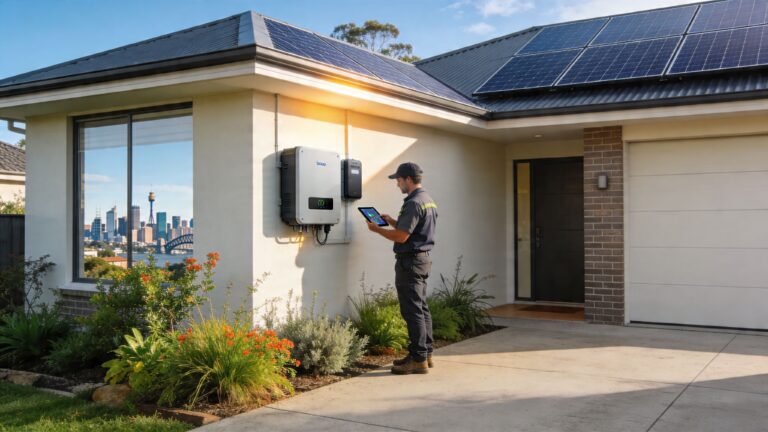
That's exactly where a clear-eyed outside view helps. Working from the NSW side of the border, you notice what's local noise and what's universal. Roof layout matters everywhere. Shading matters everywhere. Installation quality matters everywhere. But Victoria also has its own approval pathways, safety expectations, and buyer traps. Good solar panel installation victoria advice has to handle both.
Your Guide to Going Solar in Victoria
Victoria is no longer an emerging market. It's a mature one. More than 848,894 small-scale solar systems were installed in Victoria by early December 2025, and around 31.1% of dwellings had solar panels as of January 2026 according to Green's Victorian solar statistics summary. That tells you two things straight away. First, plenty of homes are suitable. Second, the easy sales pitch has already flooded the market.

The practical question isn't whether solar works in Victoria. It does. The primary question is whether the system being proposed matches your roof, switchboard, energy use, and longer-term plans.
What an outside installer notices
From an NSW installer's perspective, Victorian buyers often face the same pattern. They receive one quote built around the cheapest panel count, another built around a premium inverter, and a third that bundles a battery before anyone has properly checked daytime usage. None of those quotes are automatically wrong. They're wrong when the salesperson starts with hardware instead of your household.
A strong design usually starts with a few basics:
- Your usage pattern matters more than brochure claims. A home that's empty all day needs a different strategy from one with people working from home.
- Roof geometry decides more than brand names do. Small roof faces, vents, skylights and chimneys often shape the final system more than the panel model.
- Retrofit context matters. If your home has other efficiency upgrades planned, resources like conservation specialists' product specification can help you think beyond panels alone and look at the building as a full energy system.
- Local support still matters, even when expertise crosses borders. For homeowners comparing system types, a useful starting point is this overview of residential solar solutions.
Good solar isn't a panel catalogue. It's roof work, electrical work, compliance work, and long-term system planning rolled into one.
Decoding Victorias Solar Incentives and Rules
Victorian solar incentives help, but they shouldn't drive the whole purchase. If the only reason a system looks attractive is a rebate or tariff, the design is probably weak. Incentives should improve a solid project, not rescue a poor one.
The two bodies homeowners should know
In Victoria, the two names you'll hear most are Solar Victoria and Energy Safe Victoria.
Solar Victoria is the program and policy side. That's where many homeowners first encounter rebates, loans, program eligibility, and consumer-facing guidance. Energy Safe Victoria is the safety and compliance side. That's the body that shapes what's acceptable on the installation, documentation, and electrical standards front.
If you understand that split, quote conversations become much easier. One conversation is about access to programs and grid participation requirements. The other is about whether the system has been designed and installed properly.
How to think about incentives without getting distracted
The useful way to approach Victorian incentives is to ask what they're meant to encourage.
- Rebates and loans exist to lower the barrier to entry for homes that are ready for solar.
- Feed-in arrangements reward exported energy, but they shouldn't be the main economic logic behind a new install.
- Battery support mechanisms are designed to lift self-consumption and reduce dependence on the grid.
That means the best buyer behaviour is boring and disciplined. Start with your load profile. Then ask whether the incentive fits your home, not the other way around.
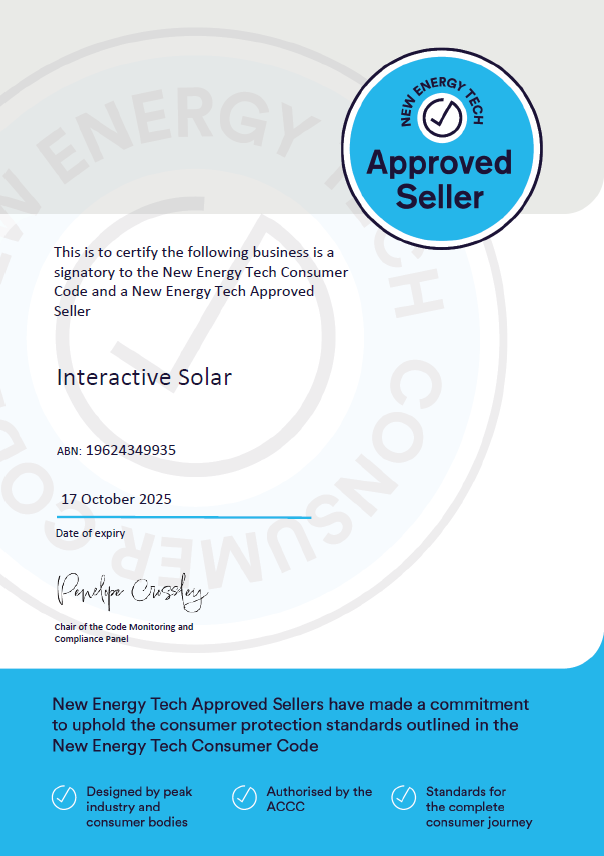
A good installer should also explain consumer protections in plain language. If you haven't yet looked at the basics of buyer rights and installer obligations, this summary of the New Energy Tech Consumer Code is worth reading before you sign anything.
One rule change many people miss
There's another point Victorian homeowners should understand. Public discussion around the Solar Homes Program has increasingly focused on future-ready systems, including internet connectivity where practicable from July 2024 for Solar Homes installations, as described in ESD News coverage of the new mandatory requirements. In practice, that means you should ask early whether the proposed inverter and monitoring setup suits your property's internet conditions.
If your installer can't explain grid application, monitoring, and compliance in plain English, the paperwork stage will probably be messy too.
Questions worth asking before you approve a quote
| What to ask | Why it matters |
|---|---|
| Is this quote designed around my daytime usage or just maximum roof fill? | Oversized export-heavy systems can disappoint if your household uses little power during solar hours. |
| Am I eligible for any Victorian support, and who handles the application steps? | You want a clear process, not vague promises. |
| What approvals happen before installation starts? | Grid and compliance steps shouldn't be left until the last minute. |
| What monitoring method is included? | Connectivity is becoming more important for ongoing visibility and system management. |
Designing Your Ideal Solar Power System
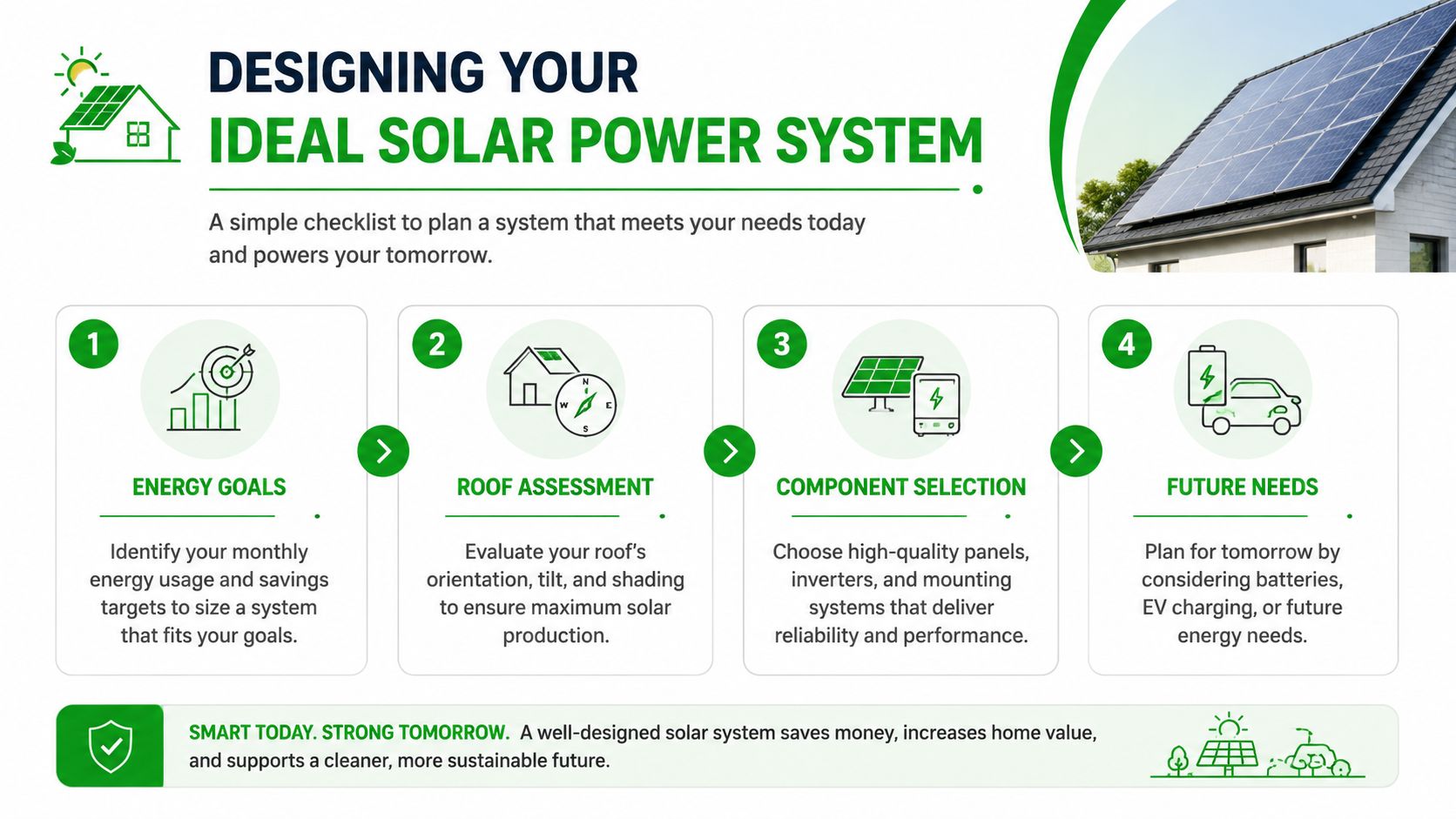
The best system design starts on your side of the table, not the installer's. Before anyone talks panel brands or inverter specs, work out how you want the system to behave. Some households want lower bills. Others want battery readiness. Some are thinking about an EV in the next few years and don't want to redo the switchboard twice.
Start with your real energy habits
Pull out a few recent power bills and ignore the marketing language for a minute. Look for patterns. When do you use the most energy? Midday, after work, overnight, or all day because someone is home?
That answer changes the design.
- Daytime-heavy homes often benefit from straightforward solar first.
- Evening-heavy homes may still suit solar, but battery readiness becomes a bigger part of the design conversation.
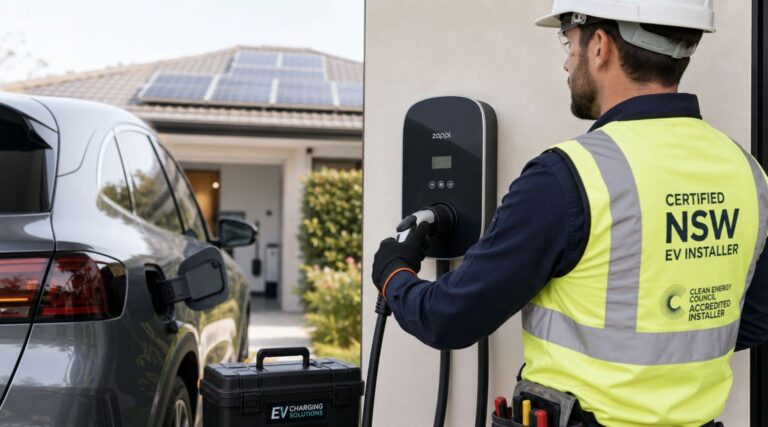
- EV households should think about charger location, cable run, and whether the switchboard can handle future additions cleanly.
- Growing families or renovators should leave space for tomorrow's loads, not just today's bill.
Roof layout beats theory
A north-facing roof is useful, but actual roof usability matters more than compass perfection. Small segmented roof areas can complicate panel placement. Tiles, sheet roofing, vents, skylights, and multi-level homes all affect labour, mounting layout, and string design.
The roof should be measured, not guessed. That sounds obvious, but rushed quoting still happens. A proper site assessment can reveal that the ideal panel count on paper won't fit with compliant setbacks or practical access.
Shade isn't the deal-breaker people think it is
A lot of homeowners get told “you've got shade, so solar won't work”. That's too simplistic. The myth that “any shade kills panels” persists, but shaded panels still produce power. For roofs with partial shading from trees or neighbouring buildings, solutions like microinverters or DC optimisers can enable viable output, as noted in Energy Matters' discussion of shade solutions.
That doesn't mean every shaded roof is a great candidate. It means the right answer depends on the type, timing, and severity of the shading.
Partial shade calls for better design, not automatic rejection.
A practical design checklist
- Map your daytime loads first. Pool pumps, air conditioning, hot water, and work-from-home usage all affect system value.
- Check the roof face by face. One productive roof section can outperform a larger awkward layout with multiple compromises.
- Choose inverter architecture to suit the roof. Standard string inverters can work well on clean, simple roofs. Microinverters or optimisers often make more sense on roofs with multiple orientations or recurring shade.
- Think beyond the panels. Monitoring, battery compatibility, EV charger integration, and switchboard capacity all belong in the first design discussion.
If you want a sense of how monitoring affects performance visibility and troubleshooting after install, this guide to inverter remote monitoring is worth a look.
The Solar Installation Process From Start to Finish
A Victorian solar job often looks simple from the street. Panels go up, the inverter goes on the wall, and the system starts producing. On site, it is rarely that simple. The quality of the result depends on what happens before install day, how the crew handles the roof and switchboard, and whether the handover is done properly.
Coming from the NSW market, I see many of the same mistakes on both sides of the border. The labels change, and some Victorian rules are stricter, but the pattern is familiar. Jobs go wrong when the design was rushed, roof access was underestimated, or the installer priced the work as if every house were a clean, modern, single-storey site.
From site check to install day
A proper process starts with the house, not the panel brand. The first inspection should confirm roof condition, access points, fall protection needs, available mounting area, switchboard capacity, meter position, and any likely compliance issues. For a straightforward home, desktop quoting can get close. For a cut-up roof, older wiring, or a tight switchboard, it should only be a starting point.
Then come the practical steps that owners usually never see. The system layout is finalised. The installer applies for grid connection approval with the local distributor. Materials are ordered to suit the agreed design, not swapped on the morning of the job because stock changed.
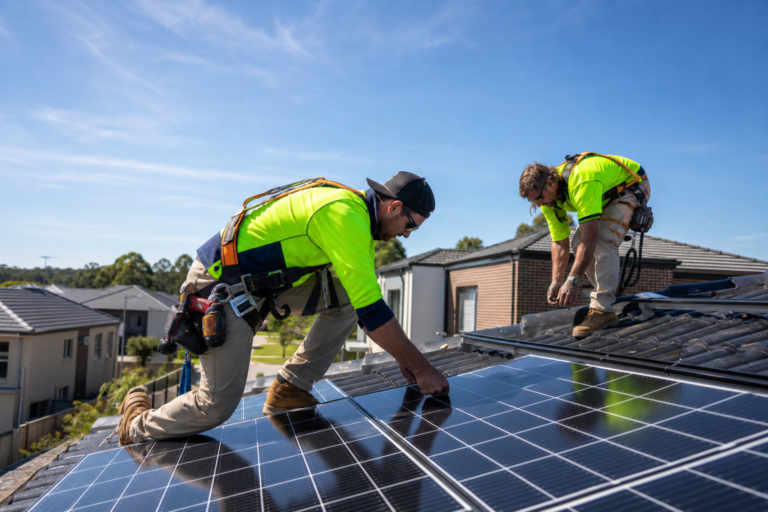
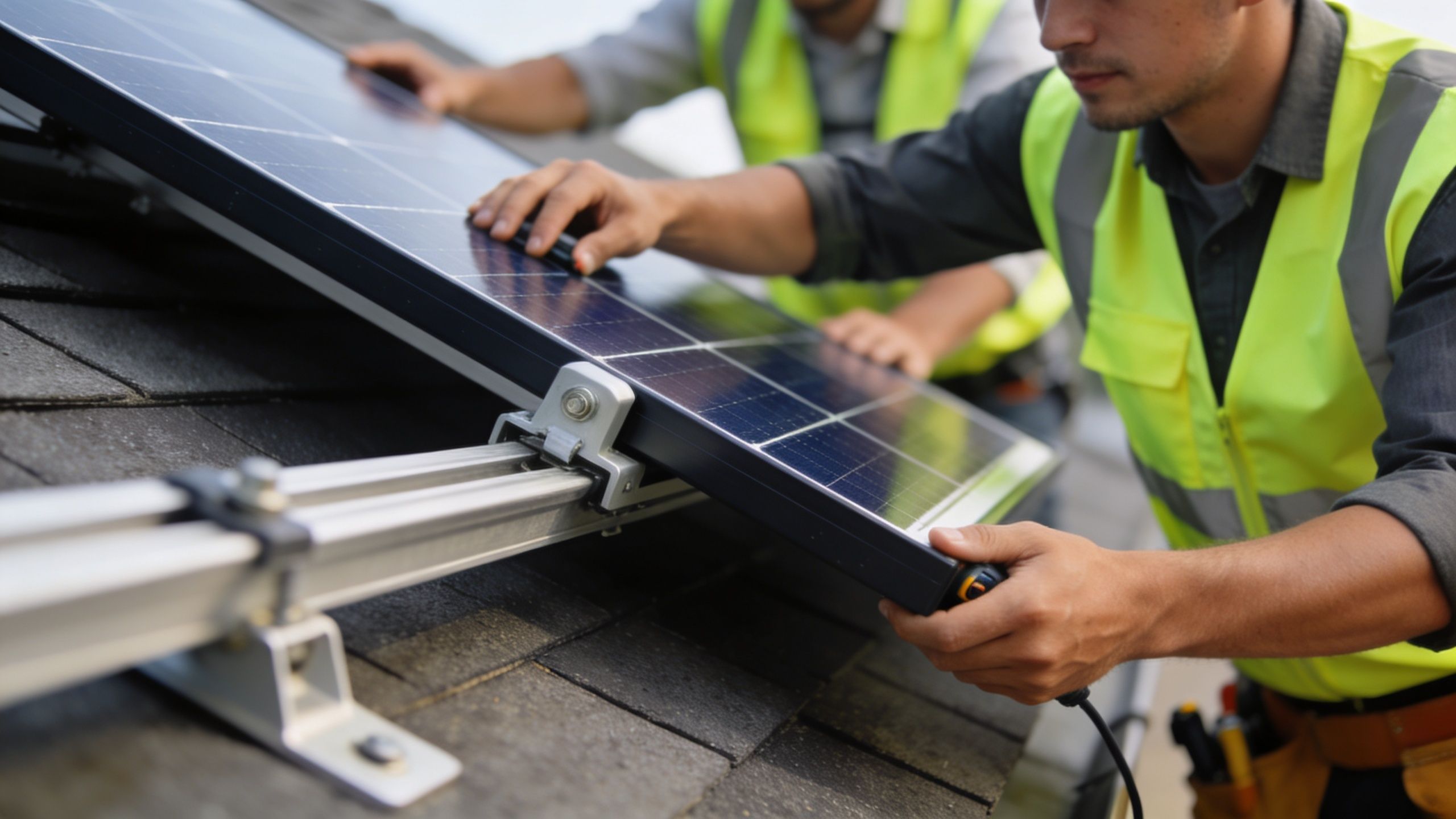
Install day itself is only one part of the process. The crew sets out the array, fixes the mounting system, installs the panels, runs DC and AC cabling, mounts the inverter and protection gear, completes the electrical work, then tests and commissions the system. Good installers also check the small things that save call-backs later, such as cable support, roof penetrations, labelling, weather sealing, and clean conduit runs. For a practical benchmark, this article on installation quality and long-term system value is a useful reference.
The parts owners do not see matter most
The visible part of a solar job is the panel layout.
The hidden part usually determines whether the system stays safe and trouble-free.
Victoria has taken a firmer position on concealed PV cabling than some buyers expect. In ceiling spaces and wall cavities, solar wiring must be protected with metal or heavy-duty conduit under Solar Victoria's solar PV installation guidance. That requirement exists for good reason. Roof spaces are harsh environments, and cabling can be exposed to heat, abrasion, movement, and pest damage over time.
Cheap quotes often look competitive because these harder details were priced lightly or ignored. I have seen that in NSW as well. The sales proposal shows the panel count and inverter model, but says very little about cable routes, switchboard work, or roof access. Those are the items that often decide whether the install is tidy, compliant, and durable.
Testing and paperwork finish the job
A system is not finished when the last panel is clamped down. It is finished after commissioning, testing, and handover.
That handover should include the records needed to identify what was installed, how it was tested, and how it should be shut down and restarted. Victorian homeowners do not need to quote standards back to their installer, but they should expect clear documentation for the equipment fitted on site, along with the compliance and commissioning paperwork that supports warranty claims, future service work, and insurance questions.
Here's a useful visual overview of what a professional install process should resemble on site and during commissioning.
What a clean handover should include
- System records showing the final panel, inverter, and mounting components installed.
- Electrical and commissioning paperwork confirming the system was tested and connected correctly.
- Monitoring setup details so the owner can log in and confirm the system is producing as expected.
- Operating instructions covering shutdown, restart, fault response, and who to contact if performance drops.
Future-Proofing with Batteries and EV Chargers
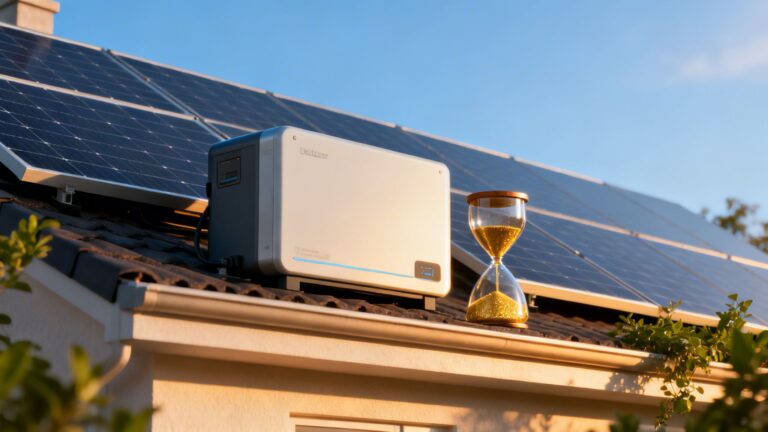
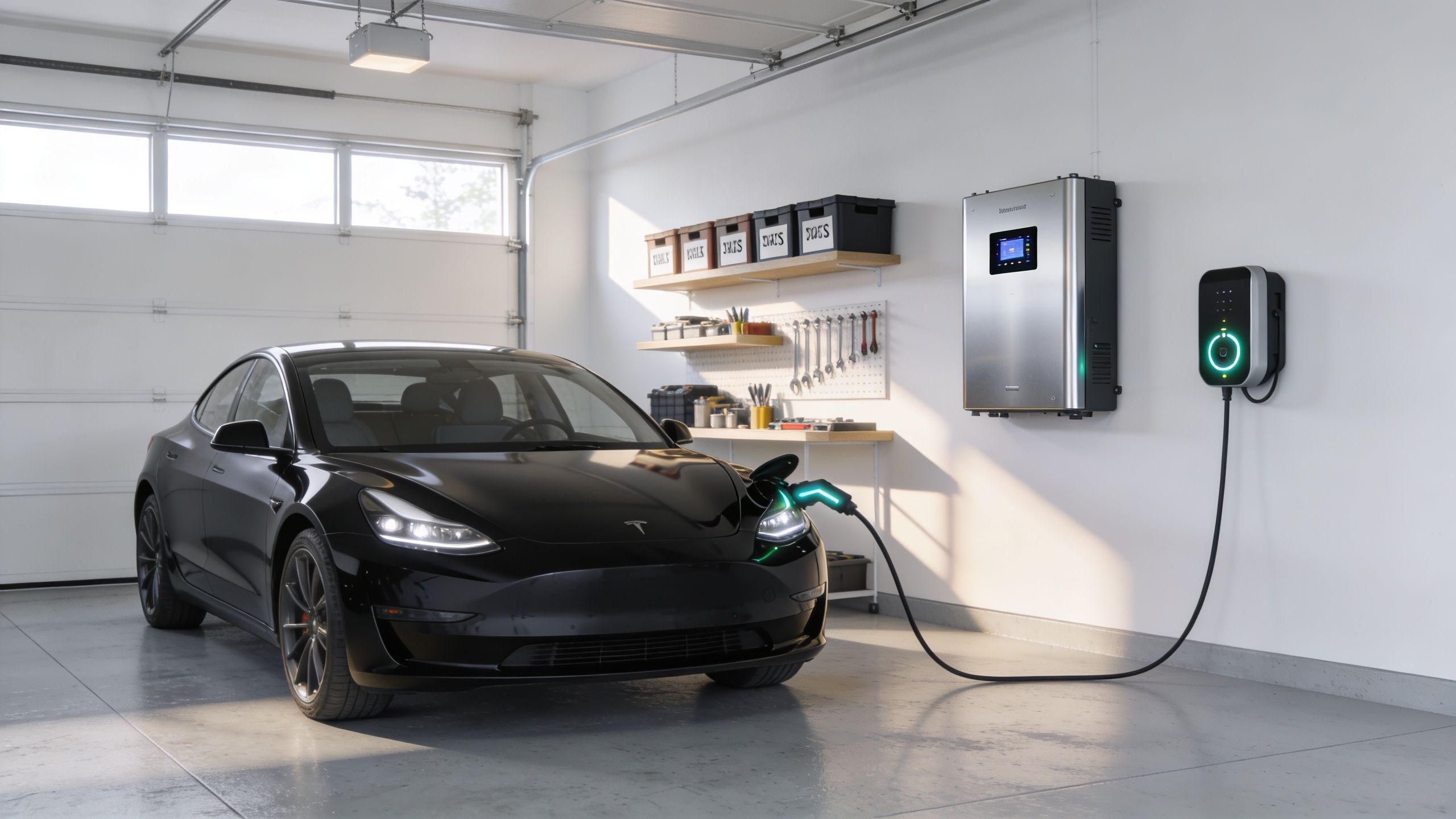
A few years ago, many buyers treated batteries as an optional luxury and EV charging as a separate conversation for later. That approach often creates expensive rework. If you're already investing in solar, it makes sense to think like a whole-home energy planner from day one.
Victoria's market has moved that way quickly. The launch of the federal Cheaper Home Batteries Program in July 2025 helped drive over 21,953 battery installations in Victoria between July and early December 2025, according to the Australian Energy Council solar report. That matters because it shows batteries aren't a fringe add-on anymore. Households are using them to keep more solar energy on site.
Why integrated planning works better
A solar-only quote can look neat on paper, but it sometimes ignores what happens next. If you later add a battery or EV charger, you may discover the inverter isn't suitable, wall space is awkward, conduit runs are messy, or the switchboard upgrade should have been done earlier.
Integrated planning solves that.
- Solar plus battery helps shift surplus daytime generation into evening use.
- Solar plus EV charger lets you capture your own generation for transport, not just household loads.
- Battery-ready design gives you flexibility even if you don't install storage immediately.
- Smart monitoring and connectivity make the whole system easier to manage over time.
Connectivity is now part of future readiness
For many Victorian installations, internet connectivity is no longer a nice extra. It supports monitoring, diagnostics, and broader grid participation settings where applicable. That's one reason it's worth discussing your property's Wi-Fi strength, inverter location, and any likely dead zones before equipment is selected.
Some homes suit standard Wi-Fi-linked monitoring. Others need a more deliberate approach because the garage, meter board, or inverter location doesn't get reliable signal. This isn't glamorous, but it affects the user experience after handover. A system you can't monitor properly is harder to trust and harder to troubleshoot.
What to decide before the panels go on
| Decision | Better to solve early because |
|---|---|
| Battery now or battery later | It affects inverter choice, wall space, cabling paths, and switchboard planning. |
| EV charger location | Long cable runs and awkward parking layouts can complicate installation. |
| Backup expectations | Not every battery setup behaves the same way during outages. |
| Monitoring method | Connectivity problems are much easier to fix during design than after commissioning. |
If you're comparing storage pathways, this battery comparison guide is a useful planning resource. One provider operating in NSW and Victoria, Interactive Solar, also installs solar, battery storage, and EV charging as part of the same project scope, which is often the cleanest path for households trying to avoid piecemeal upgrades.
Choosing a Reputable Victorian Solar Installer
A Victorian homeowner can buy good panels, a known inverter brand, and still end up with a frustrating result if the installer gets the basics wrong. I see that from the NSW side more often than people expect. Different state, same pattern. The businesses that deliver reliable solar are usually the ones with disciplined design, careful site checks, tidy electrical work, and a clear path for support after commissioning.
That matters more than a glossy proposal.
In-house teams versus rotating subcontractors
There is a real trade-off here, and it is worth understanding before you sign.
An installer with its own electricians and roof crew usually has better control over training, workmanship, and defect handling. If the same team installs similar systems every week, the handover is often cleaner and the fault-finding is faster later on. A company using subcontractors can still do solid work, but the outcome depends heavily on how tightly those crews are supervised and whether the business stays involved after the job is finished.
Ask specific questions, not general ones. Who will be on the roof? Who is the licensed electrician responsible for the electrical work? If a panel clamp comes loose, monitoring drops out, or a warranty claim starts six months later, who owns that problem?
Vague answers are useful answers.
What to verify before signing
Use this as a practical shortlist when comparing any solar panel installation victoria proposal:
- Accreditation and licensing. Check current solar accreditation and the electrical licence of the contractor doing the work.
- Site assessment quality. A proper assessment should cover roof condition, shading, switchboard constraints, meter position, and any likely upgrade issues.
- Clear scope of works. The quote should name the main equipment, note exclusions, and spell out any assumptions about switchboard work, roof access, or cable routes.
- After-sales support. Find out who handles faults, warranty coordination, and monitoring issues after handover.
- Documentation handover. Ask what documents you will receive at completion, and ask to see a sample pack.
That last point gets overlooked too often. In practice, incomplete handover documents create trouble later. If you cannot get clear records of what was installed, compliance checks, warranty claims, future additions, and fault diagnosis all become harder than they need to be. Good installers treat paperwork as part of the install, not admin to sort out later.
Ask to see an example handover pack before you commit. A reputable installer should be able to show one without fuss.
Green flags and red flags
| Green flag | Red flag |
|---|---|
| Detailed questions about your roof, usage, and switchboard | Instant quote based only on your power bill |
| Plain-English explanation of what is included and what may cost extra | Vague statements that approvals, upgrades, and paperwork are all “taken care of” |
| Honest comments about shading, roof limitations, or awkward cable runs | Claims that every home suits the same panel layout and system size |
| Named contact for service and warranty support after install | No clear answer on who handles defects once the invoice is paid |
One more point from an outside perspective. Victorian buyers hear plenty of local sales talk about brands, rebates, and limited-time offers. Strip that away and the selection process looks much the same as it does in NSW. Choose the installer who asks better questions, documents the job properly, and is prepared to explain the compromises. That is usually the company that delivers a system you can live with for the next 15 to 20 years.
Common Solar Questions for Victorian Homeowners
What happens to my solar during a blackout
Most standard grid-connected solar systems shut down during a blackout. That's a safety function, not a fault. It protects network workers and prevents the inverter from feeding power into lines that are meant to be dead.
If you want power during an outage, that needs to be planned into the system. Usually that means a battery setup designed with backup capability and the right changeover arrangement. Not every battery system provides the same backup behaviour, so ask exactly which circuits, if any, will stay powered.
How much maintenance do solar panels actually need
Less than many people expect, but not none. Panels generally need clear exposure to sunlight and freedom from obvious debris build-up. Trees, heavy leaf litter, bird activity, and grime can all affect performance over time.
In practical terms, homeowners should do three things:
- Check monitoring regularly so drops in production don't go unnoticed.
- Look for physical changes such as new shade from tree growth or visible roof debris.
- Arrange qualified inspections when needed if faults appear, performance changes sharply, or other roof work has taken place.
You don't need constant servicing. You do need attention when the system starts behaving differently.
Can I add a battery later to an existing solar system
Often, yes. But it depends on the inverter type, switchboard capacity, available wall space, and how the original system was designed. Some systems are battery-ready. Others need additional hardware or a redesign of part of the installation.
That's why “future-proofing” during the first install matters so much. Even if you're not ready for storage now, ask your installer whether the proposed setup keeps sensible battery pathways open. It's much easier to leave room for a battery than to retrofit around a cramped layout later.
If you'd like customized advice on solar, batteries, or EV charging without the usual hard sell, Interactive Solar is one Australian option that handles design, installation, and after-care under the same roof.
Make Interactive Solar a preferred source in Google
One click tells Google to surface our articles more often in Top Stories, AI Overviews and AI Mode.