Best Solar Company Reviews 2026: Top Installers Australia
Choosing a solar installer can feel overwhelming. You're weighing promises of lower power bills against the risk of a poor install, vague paperwork, or an installer who's hard to reach once the system is on the roof. Add batteries and EV charging into the mix, and the stakes get higher because the system design has to work as a whole, not just as a panel package.
The mistake most buyers make is treating one review source as the truth. It isn't. Good solar company reviews come from triangulation. You read specialist sites for technical context, general review platforms for patterns in communication and service, Google for recency, and award or ranking systems for a broader trust signal.
That matters in Australia because rooftop solar is already a mainstream energy asset. The Clean Energy Council says there were about 4.1 million rooftop solar PV systems installed nationwide by the end of 2024, with combined capacity of roughly 26 GW, which makes service quality and post-install support much more important than simple product availability in buyer decisions, as noted in this Australian rooftop solar market summary.
If you're trying to choose a partner for solar panels, a battery, or an EV charger in Sydney or greater NSW, this is the practical way to read reviews without getting fooled by polished marketing.
1. Interactive Solar
A common buyer scenario goes like this. The quote looks competitive, the review score looks fine, then a monitoring fault or inverter issue shows up months later and nobody takes ownership. That is why Interactive Solar is worth assessing through an accountability lens, not just a ratings lens.
Interactive Solar is a Sydney-based, family-owned installer with a warehouse, office and showroom in Chipping Norton, licensed electricians under Licence #329360c, and in-house installation teams. For review analysis, that structure matters. Companies with their own install crews and a physical base are often easier to pin down on workmanship, commissioning issues, and post-install support than businesses built mainly around sales and subcontracted delivery.
Why this one deserves extra scrutiny
Interactive Solar covers residential and commercial solar PV, batteries, EV chargers, roof ventilation and heat pumps. That broader scope is useful for households planning solar now and battery storage or EV charging later, because system design can account for future demand instead of treating each upgrade as a separate sale.
The practical question is whether the company can connect design, installation and support into one chain of responsibility. Buyers in NSW should look for clear scope documents, product traceability, licensed installation and after-sales response standards. Research on consumer issues in the Australian solar sector has highlighted misleading sales conduct, weak contract clarity and overstated performance claims as recurring problems, discussed in this analysis of solar-sector consumer protection issues.
Practical rule: If an installer offers solar, batteries and EV charging, ask who handles troubleshooting after handover, how faults are logged, and what response time is promised.
Interactive Solar states a troubleshooting response within 48 hours. That is the sort of detail buyers should compare across review sources. Star ratings often reflect the sales experience. Reliability shows up later, in warranty follow-through, fault resolution, and whether the installer is still responsive once the rebates are processed and the system is running.
Where it fits best
This company suits homeowners and SMEs who want a local installer with visible infrastructure and direct accountability. It is also a better fit for buyers who value in-person consultation and want advice specific to their home, roof layout, future battery plans or EV charging setup.
The trade-offs are fairly clear:
- Single-point accountability: In-house licensed teams reduce the handoff problems that come with subcontract-heavy models.
- Broader electrification scope: Solar, batteries and EV charging can be planned together, which helps avoid redesign costs later.
- Local operating base: A showroom and warehouse support face-to-face consultation and tighter control over delivery.
- Consultation-led quoting: You will need a proper site-specific proposal rather than relying on fast online price comparisons.
- Regional focus: The offering makes most sense for Sydney and greater NSW, not buyers trying to compare national footprints.
If you want to benchmark proposals before requesting a quote, Interactive Solar's guide to solar panel installation in NSW is a useful starting point.
2. SolarQuotes
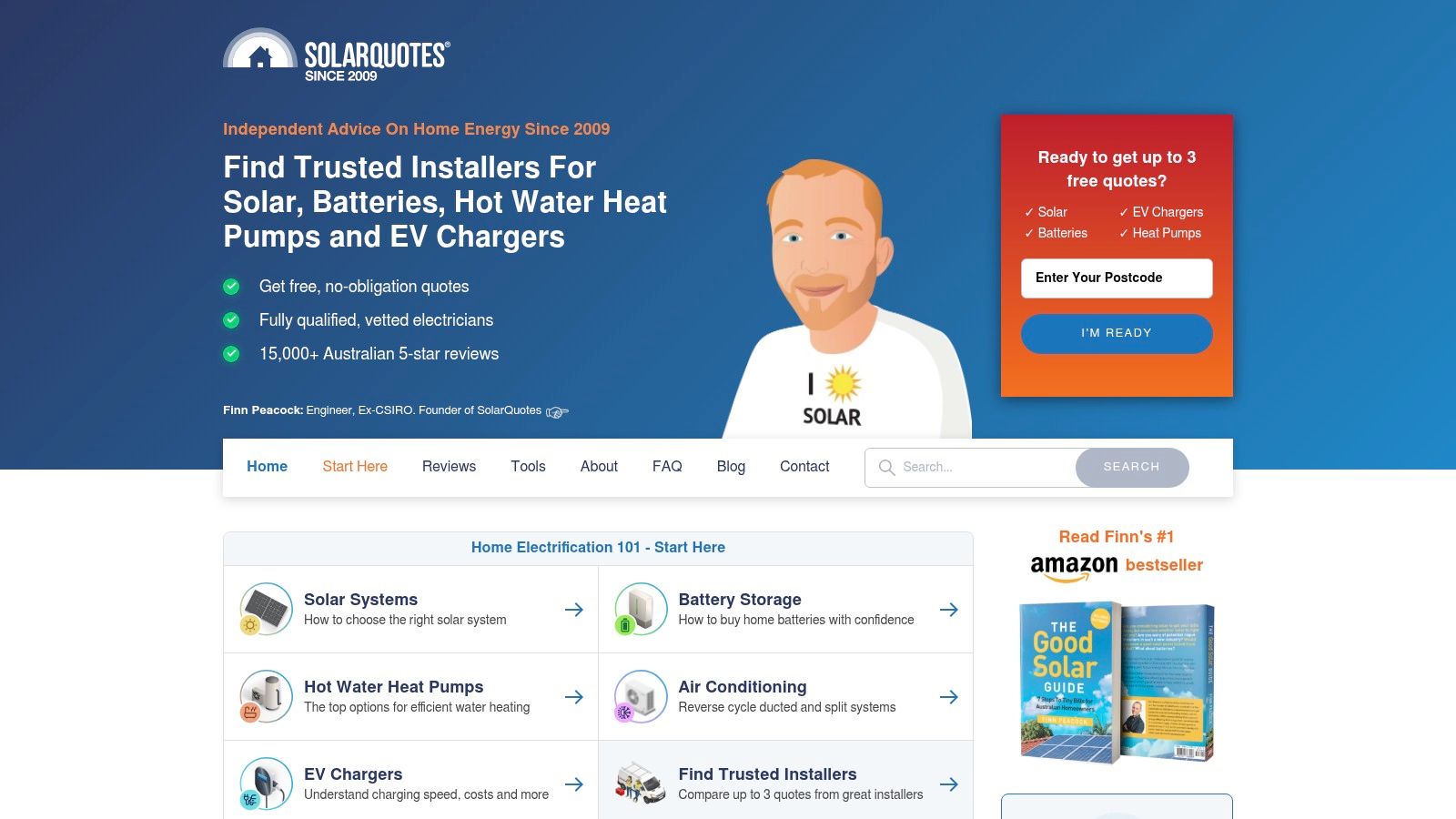
If you want the most purpose-built review platform for Australian solar, SolarQuotes is usually where the serious research starts. It's designed around installer discovery rather than generic consumer feedback, which means the comments tend to be more useful for comparing like with like.
The strength here is context. Reviews often sit alongside details such as suburb, install timing, system information and longer comments, so you can see whether complaints are about sales pressure, roof workmanship, admin delays, or actual system performance.
Best use case
Use SolarQuotes early in your shortlist stage. It's particularly strong when you already know your suburb or region and want to compare installers operating in the same patch. That local lens matters because roof types, council processes and service coverage can vary a lot across NSW.
Australia's residential market is mature enough that buyers aren't judging a niche product anymore. Federal STC data have helped drive more than 3.7 million small-scale solar PV systems installed nationwide by the end of 2024, with total small-scale capacity above 20 GW, and SolarReviews' installer-ranking approach highlights trust factors such as years in business, licensing and insurance, litigation checks, product quality and loan competitiveness in addition to ratings, as described in this explanation of installer ranking criteria. That same mindset applies when reading SolarQuotes. Don't just count stars. Read for reliability signals.
Don't trust a review page that makes every installer look interchangeable. The useful differences are in workmanship comments, fault handling, and whether the proposal actually matched the home.
One limitation is that not every good local installer will be equally represented. Some have stronger review footprints than others, and some may not participate in quoting networks. That's normal. Treat it as one lens, not the whole answer.
If you're comparing what proper local installation should include, this overview of solar panel installation in NSW helps frame the questions to ask any shortlisted company.
Visit SolarQuotes Australia
3. ProductReview.com.au
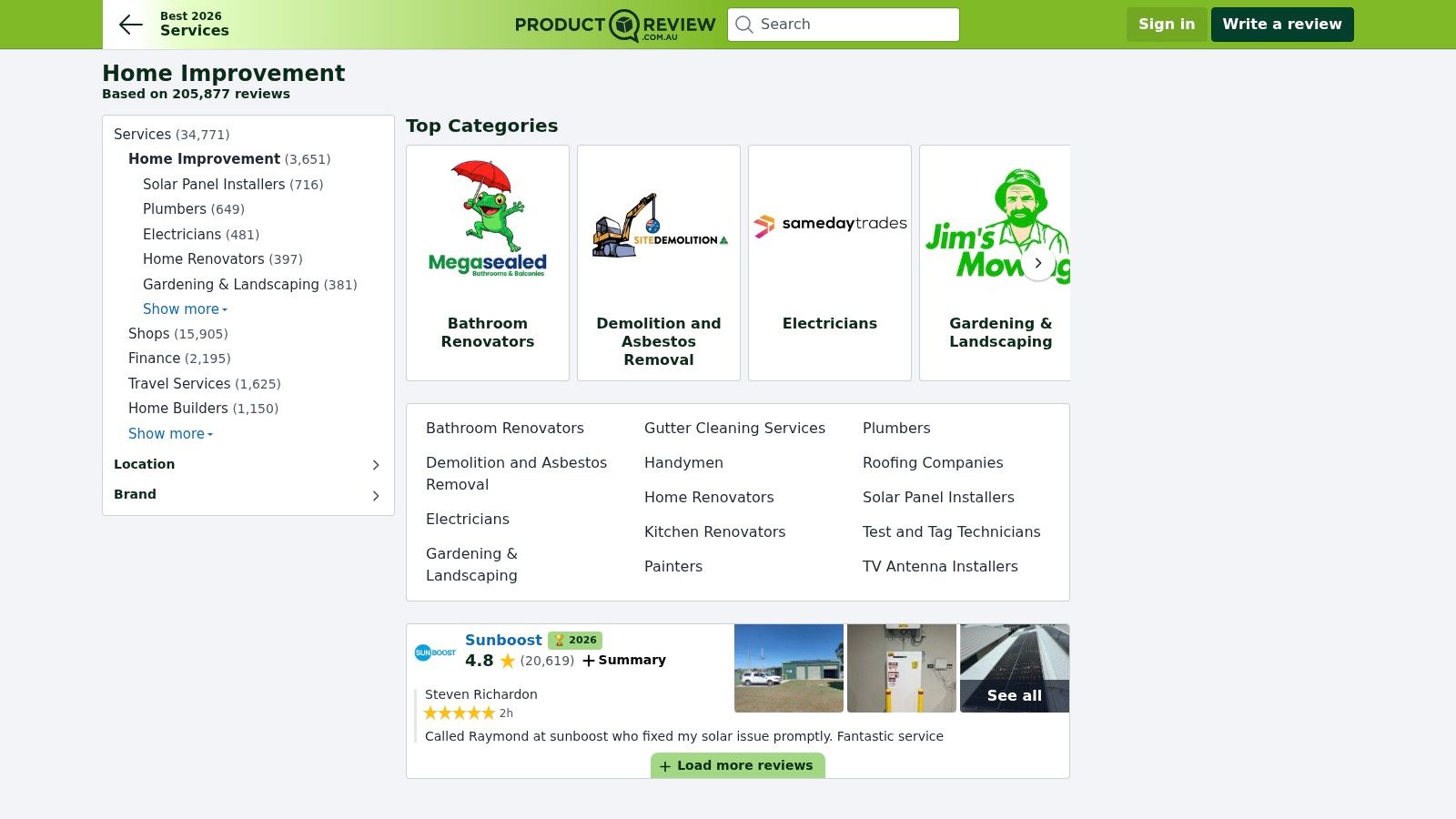
ProductReview.com.au is less specialised than SolarQuotes, but that's also why it's valuable. It catches the broader customer experience. You'll often see patterns around communication, scheduling, pushy sales behaviour, admin follow-up and warranty frustration that don't always show up as clearly on specialist sites.
For solar company reviews, this platform is most useful when you're looking for repetition. One angry review doesn't mean much. Five reviews describing the same issue in slightly different words usually means there's an operational problem.
What to read closely
Read the long comments, not just the average rating. Also check whether the page mixes hardware commentary with installer feedback. Some buyers will complain about a product brand when the actual issue was system design or post-install support, and some will praise the install while never mentioning whether the handover documentation was complete.
Many buyers overlook a significant problem. In Australian solar, after-care is often the underserved angle. The harder question isn't “Was the salesperson friendly?” It's “How did the installer handle warranty claims, rectification work and response times after handover?” That gap is discussed well in this guide to spotting solar scams and service red flags.
- Best for pattern spotting: Communication delays, missed callbacks and vague warranty responses tend to show up clearly.
- Less useful for technical comparison: You won't always get enough detail on inverter setup, export limits, or battery integration.
- Worth checking owner responses: A calm, specific reply tells you more than a defensive one.
A polished proposal can still lead to a poor outcome if workmanship is sloppy. This article on installation quality and system value is worth reading before you weigh review comments.
Visit ProductReview.com.au solar and home improvement categories
4. Google Reviews
Google Reviews is the fastest way to pressure-test a company's current reputation. It's broad, local and usually the most up to date. If a business has changed ownership, overexpanded, or let service standards slide, Google often shows the shift earlier than slower-moving platforms.
It's also where you can cross-check basic reality. Does the business profile show a real service area? Are there recent photos? Do review comments mention suburbs you care about? Are questions being answered?
How to use it without getting misled
Google is great for recency, but weaker for depth. Some reviews come from showroom visits, phone interactions or quote requests rather than completed installations. That doesn't make them useless, but it means you need to separate pre-sale experience from installed-system experience.
I'd use Google to answer three questions quickly:
- Is the feedback current: Recent comments reveal whether service standards still hold.
- Does the business look operationally real: Photos, trading hours and local mentions help verify presence.
- Do complaints cluster around one issue: Delays, poor communication and unresolved defects usually leave a visible trail.
A clean Google profile doesn't prove technical quality, but a messy one often tells you something important. Also remember that review moderation and filtering can hide some content, so absence of criticism is not the same as evidence of excellence.
For businesses trying to understand the mechanics behind review generation itself, this guide on strategies for getting more reviews gives useful context on why some profiles look more active than others.
Visit Google Maps business reviews
5. Word of Mouth
Word of Mouth is one of those platforms that can be easy to overlook until you're researching a smaller local installer. Then it becomes very useful. Its strength isn't sleek design. It's the practical, neighbour-to-neighbour tone that sometimes reveals how a business behaves once the sales process is over.
This matters if you're weighing a family-owned installer against a larger national brand. Review content often assumes bigger equals safer, but that's not always how solar jobs play out in practice.
Where local detail helps most
Local installers often live or die by repeat reputation. On a suburb-level review platform, that can produce richer comments about scoping, punctuality, site cleanliness and whether the final system matched what was promised. Those are valuable signals for solar, battery and EV charger work, especially on homes with tricky roof layouts or future upgrade plans.
Independent complaint analysis also suggests the bigger risks in solar often involve hidden costs, rushed sales and workmanship gaps rather than simple brand recognition, which is why the local-versus-national question deserves more attention, as explored in this review of consumer complaints in the solar industry.
A local installer with fewer reviews can still be the safer choice if the reviews are specific, recent, and clearly describe the work done.
The drawback is inconsistent coverage. Some businesses have only a handful of comments, and search can feel clunky. But when the comments are detailed, they can be more revealing than a larger but flatter review profile elsewhere.
Visit Word of Mouth Australia
6. Canstar Blue
Canstar Blue is less about reading job-by-job comments and more about getting a structured national view of customer satisfaction. That makes it useful at the shortlist stage, especially if you're comparing brands you already know by name.
Its main advantage is methodology. Instead of random browsing, you get a more standardised view of brand sentiment. That can help you avoid overreacting to a handful of emotional reviews on open platforms.
When it helps and when it doesn't
Use Canstar Blue when you want a broad confidence filter. If a bigger installer keeps showing up well in a method-driven comparison, that's a meaningful signal. But it won't tell you how that installer performs in your suburb, on your roof, or with your preferred battery or EV charger configuration.
That's why I treat it as a ranking layer, not a decision layer. It's good for identifying which larger brands deserve further checking, then validating them with Google, specialist review sites and a real quote conversation.
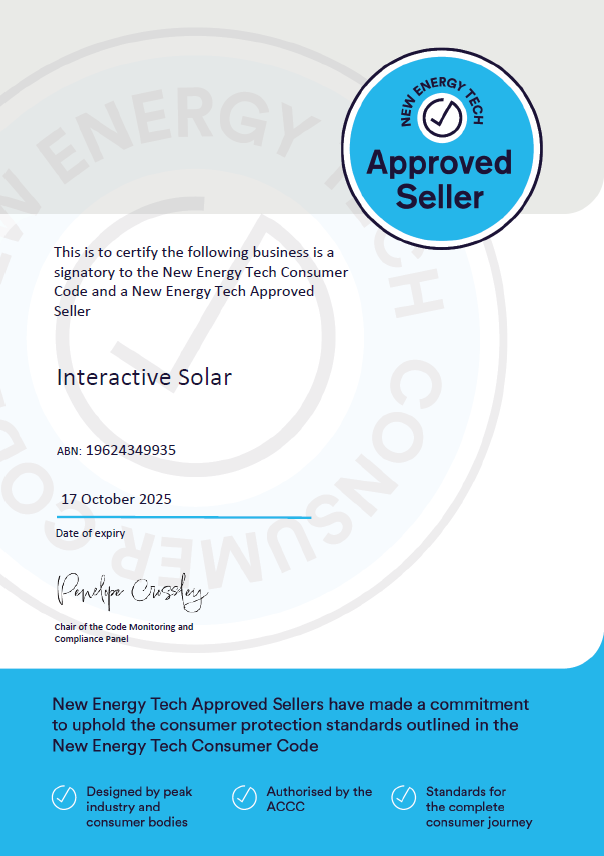
A second benefit is that Canstar's educational content helps buyers understand adjacent issues, including energy plans and broader solar context. For anyone reviewing contracts and conduct standards, it also helps to understand consumer protections such as the New Energy Tech Consumer Code before signing with any installer.
- Useful for national brand screening: Good if your shortlist includes well-known names.
- Less useful for niche local players: Strong local firms may not appear prominently.
- Not enough on its own: You still need detailed reviews and a property-specific proposal.
Visit Canstar Blue solar installer comparisons
7. SunWiz All-Star Solar Installers
SunWiz's All-Star installer view is useful because it tries to reduce single-platform bias. That's valuable in a category where one review source can overrepresent one type of customer experience and underrepresent another.
If an installer performs well across multiple review environments, that usually tells you something stronger than a good score on one website alone. It doesn't replace reading individual comments, but it does help identify firms with a broader consistency signal.
Best role in the buying process
Use SunWiz near the end of your research, not the beginning. By that stage you should already have a shortlist from local review reading and direct quote conversations. SunWiz then acts as a final cross-check. Does the company look strong outside its own marketing bubble?
This is particularly helpful when you're comparing a local specialist against a larger installer with more brand recognition. A cross-platform reputation view can keep you from being swayed by advertising alone.
Cross-platform recognition is a trust signal. It isn't proof of fit. The best installer for your home is still the one that scopes the job properly and supports it after handover.
The limitation is obvious. Award-style lists are snapshots. They don't tell you whether the installer is the best match for your roof shape, switchboard condition, export constraints, battery goals or EV charging plans. You still need to read recent comments and assess the proposal in front of you.
If you're researching providers in NSW, this roundup of best solar panel installers in Sydney is a useful complement to broader review aggregation.
Visit SunWiz All-Star Solar Installers Australia
Top 7 Solar Review Platforms Compared
A buyer looking at solar, a battery, and EV charging can get three very different impressions of the same installer depending on where they look. One site may highlight polished service. Another may expose post-install support issues. A third may show whether the business is still actively completing local jobs. That is why these platforms work best as a stack, not as a single source of truth.
Use the table below to compare what each platform is good for, where its blind spots sit, and how it fits into a practical review-checking process.
| Item | Implementation complexity | Resource requirements | Expected outcomes | Ideal use cases | Key advantages |
|---|---|---|---|---|---|
| Interactive Solar | Low for customer, moderate technical complexity for system design | Site visit, personalised quote, licensed in-house installers and local warehouse/logistics | High-quality, locally managed installs; strong grid offset potential when sized correctly; fast after-care | Homeowners, SMEs, EV owners, builders and strata in Sydney/NSW needing end-to-end service | In-house licensed teams, showroom, custom designs, 48-hour troubleshooting |
| SolarQuotes (Australia) | Low, research plus optional quote requests | Large online review database, quoting service to match up to 3 prescreened installers | Comparative shortlist and up to three vetted proposals; richer installer context | Consumers researching and comparing multiple installers nationwide | Australia-specific reviews, quoting service, useful filters |
| ProductReview.com.au (Solar category) | Low, browse and filter reviews | High review volume across many brands and installers | Broad sentiment, star ratings, recurring theme identification across providers | Spotting common issues and strengths across many retailers and brands | Large audience, high review volume, category hub for comparison |
| Google Reviews (Maps/Business Profiles) | Very low, map and search discovery | Real-time reviews, photos, business listings and Q&A | Up-to-date local feedback, visual evidence, verified business details | Quick local checks and cross-verification of service areas and recency | Wide coverage, recent feedback, photos, map-based discovery |
| Word of Mouth (WordofMouth.com.au) | Low, read community reviews | Community-driven reviews with detailed comments, variable coverage | Story-rich, practical local insights; suburb-level reputation signals | Finding small local installers and practical on-the-ground feedback | Strong local detail, practical job narratives, transparent policies |
| Canstar Blue (Satisfaction awards) | Low, review rankings and reports | Method-based surveys and aggregated satisfaction scoring | Brand-level customer satisfaction rankings and shortlists of well-rated national brands | Choosing among major national installers or validating brand reputation | Clear rating method, credible high-level view |
| SunWiz All-Star Solar Installers | Low, view curated list | Aggregated, audited multi-platform review data and volume thresholds | Cross-platform signal of top performers with high satisfaction and install volume | Identifying top-tier national installers and cross-checking awardees | Cross-platform aggregation, threshold criteria that reduce single-site bias |
The practical difference between these platforms is intent. SolarQuotes helps with shortlist quality. ProductReview and Word of Mouth help you spot repeat complaints and service patterns. Google helps you verify recency and local presence. Canstar Blue and SunWiz are better used as confidence checks once a company is already in contention.
That mix matters more for complex projects. If you want only rooftop solar, a solid installer with consistent service reviews may be enough. If you also want battery backup, future EV charging, switchboard work, or a staged rollout, review reading needs to get more specific. Look for comments about system design accuracy, installation quality, commissioning, and support after the handover. Those are harder to fake and more relevant than a generic five-star rating.
A good review strategy asks a simple question from multiple angles. Does this installer sell well, install well, and support well once the system is live?
Your Next Step From Reviews to a Reliable Quote
Review platforms help you narrow the field. They don't make the final decision for you. The true test starts when you speak to the installer and see how they scope the job, answer technical questions and explain trade-offs around solar panels, battery storage and EV charging.
A reliable installer should ask about your actual electricity use, future plans and site constraints. They should be able to explain why they've chosen certain panel, inverter or battery options, how the system is expected to work in your property, and what support looks like after handover. If the conversation stays vague or sales-heavy, that's a warning sign no matter how attractive the rating looks online.
The best way to use solar company reviews is to layer them. Start with a specialist platform such as SolarQuotes for technical context. Check ProductReview and Word of Mouth for service patterns. Use Google for recency and local verification. Then use Canstar Blue or SunWiz as higher-level confidence signals. Once the same installer looks credible across several angles, ask for a proper consultation.
For Sydney and greater NSW buyers, local accountability matters. A company that offers face-to-face consultation, uses its own licensed team, and stays available for after-care is often a safer long-term choice than one with slicker marketing and a less clear delivery model. That becomes even more important if you want a system that includes battery storage or EV charging, because design decisions made today affect how easily the setup can expand later.
Interactive Solar fits that practical model well. The company's local showroom, in-house installation approach, licensed electricians and focus on custom design make it the kind of provider worth shortlisting once your review research points in the right direction. Reviews can tell you whether a business looks trustworthy. A good consultation confirms whether it's the right fit for your property.
The goal isn't to find the loudest brand. It's to find the installer that will still be reliable after the panels are on the roof, the battery is cycling, and the EV charger becomes part of your daily routine.
If you're ready to move from research to a real proposal, Interactive Solar is a strong next step for homeowners and businesses in Sydney and greater NSW. You can speak with a local team, inspect options in person, and get a custom system design for solar, batteries and EV charging that's built around your property rather than a generic sales script.
Make Interactive Solar a preferred source in Google
One click tells Google to surface our articles more often in Top Stories, AI Overviews and AI Mode.