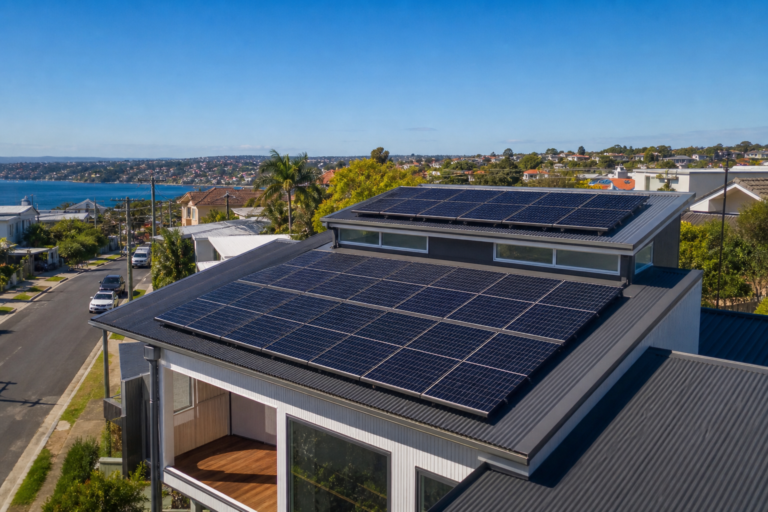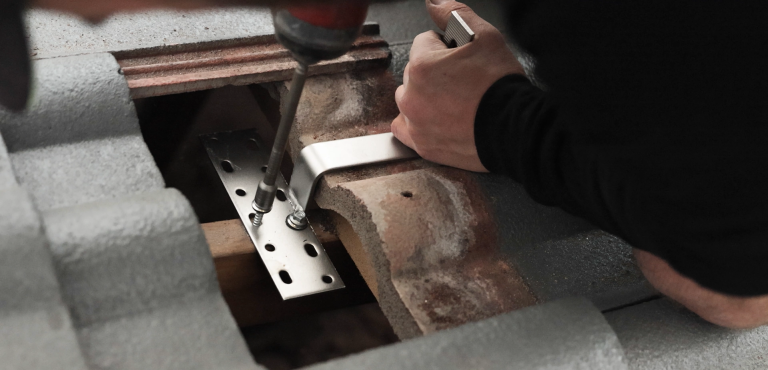
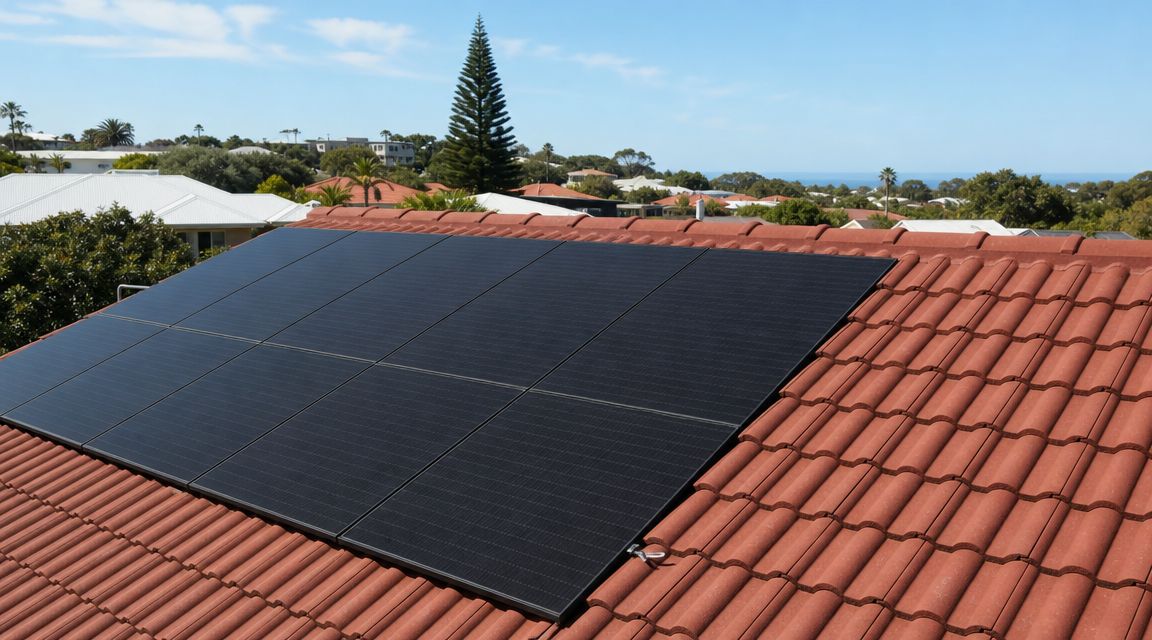
Solar for Tile Roof: NSW Guide 2026
Last updated:
A lot of NSW homeowners arrive at the same point. They like the idea of solar, they can see the roof gets good sun, but they stop when they look up and see concrete or terracotta tiles and think, “Will this turn into a leak problem?”
That concern is reasonable. Tile roofs need a different approach from metal roofs. Tiles can crack if they're handled poorly. Waterproofing has to be done properly. Older roofs can hide problems that only show up once an installer gets on the roof.
The good news is that solar for tile roof homes is routine work in NSW when it's designed and installed properly. The skill is not in forcing panels onto any roof. The skill is in choosing the right mounting method, protecting the weatherproofing, and making sure the roof still does its job long after the solar is switched on.
Is Solar Possible on Your Tile Roof
A Sydney homeowner with a pitched tile roof usually starts with two questions. Can it be done, and will it damage the roof?
In most cases, yes, it can be done. The key question is how it's done. Tile roofs are common across Sydney suburbs, and the Australian market has had a long time to get good at retrofitting them. By 2023, Australia had installed more than 20 GW of rooftop solar PV across homes and businesses, according to the Clean Energy Council, and that scale has helped installers refine retrofit methods for common residential roofs, including tile roofs across NSW, as noted by Sunsave's summary of rooftop solar in Australia.
That matters because a tile roof install isn't just a panel job. It's part roofing job, part electrical job. A neat-looking system can still be a poor install if the tiles are under stress, the flashing is wrong, or cable runs are messy.
Practical rule: If an installer talks only about panel output and never talks about tile condition, flashing, spare tiles, or roof access, you're not getting the full picture.
In NSW, many homes that suit solar also suit broader sustainable home upgrades. Solar works best when it's considered as part of the whole house, especially if roof ventilation, insulation, or future renovation work are also on the table.
The short answer is reassuring. Tile roofs can take solar safely and effectively. The longer answer is that the roof type, roof age, and mounting method decide whether the job will still look good and stay watertight years from now.
Understanding Your Tile Roof Compatibility
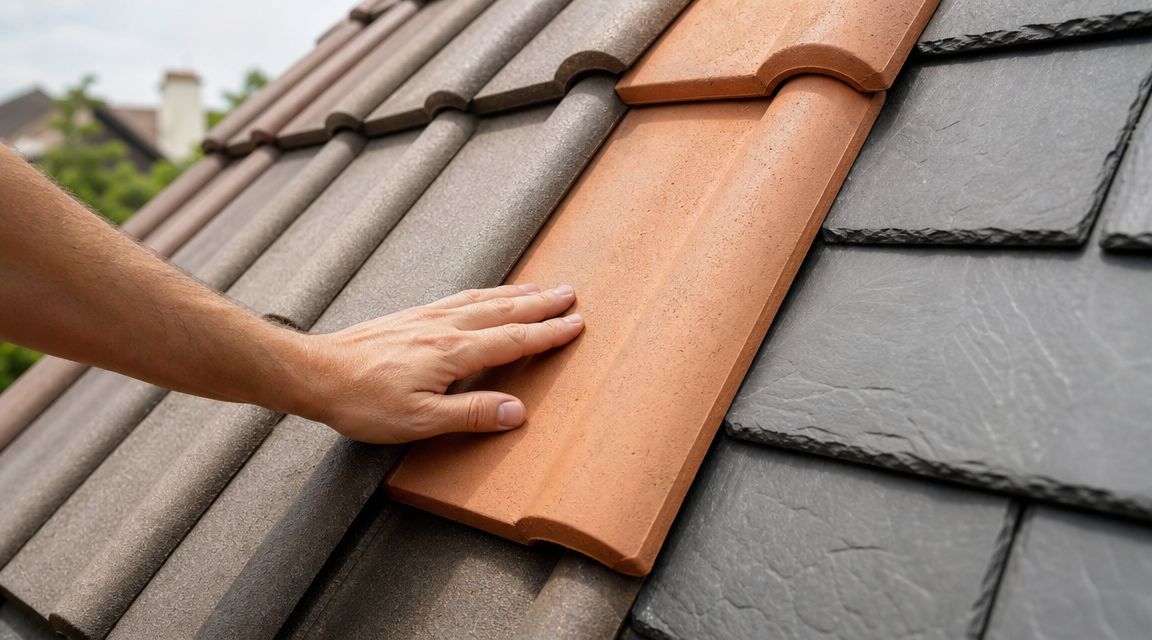
Before anyone chooses panels or batteries, they need to know what kind of roof they're dealing with. Tile isn't one thing. In NSW, the usual categories are concrete, terracotta, and slate, and each behaves differently under solar hardware.
Solar roof tile systems are generally built for pitched roofs and need a proper structural assessment because the roof has to carry both the weatherproofing role and the PV load path. Installers need to verify batten spacing, roof pitch, and tile type before they sign off on the design, as explained in this guidance on roof compatibility for solar roof tiles.
Concrete tile roofs
Concrete tiles are common in suburban NSW and usually give installers a workable platform. They're often more forgiving than older terracotta, but they still need careful handling.
Concrete roofs can hide issues such as:
- Surface wear: Older tiles may look fine from the ground but become fragile under foot traffic.
- Batten movement: If battens have shifted or deteriorated, mount locations may need to change.
- Previous repairs: Patch jobs can affect how neatly the mounting system integrates.
Concrete tile roofs usually suit standard panel systems well, provided the installer isn't rushing. Good crews lift, cut, and relay tiles carefully rather than forcing brackets under them.
Terracotta tile roofs
Terracotta looks great and lasts well, but it's the roof type that makes inexperienced installers nervous for good reason. It's more brittle. Breakage risk is higher, especially on older roofs.
That doesn't mean terracotta is a bad candidate for solar. It means the installer needs the right process:
- Walking paths planned early
- Spare tiles available before work starts
- Mount locations chosen with tile profile in mind
- No pressure points left under relaid tiles
A broken tile by itself isn't a disaster. A broken tile that goes unnoticed under an array is the problem.
Slate roofs
Slate is less common, and it's a different category again. It can be suitable, but the margin for error is smaller and the roofing detail matters more.
With slate, homeowners should expect:
- more planning,
- more specialised roof work,
- and a stricter conversation about whether the roof should be touched at all.
If you're looking at integrated options instead of standard add-on panels, it helps to review examples of solar energy roof tiles before locking in a design. They aren't right for every home, but they're worth understanding when aesthetics matter.
Comparing Solar Mounting Systems for Tiles
Once the roof type is clear, the next decision is mounting. At this stage, many homeowners get oversimplified advice. The right answer depends on roof condition, tile profile, visual preference, and how much roof work you want to take on now.
Standard tile hook systems
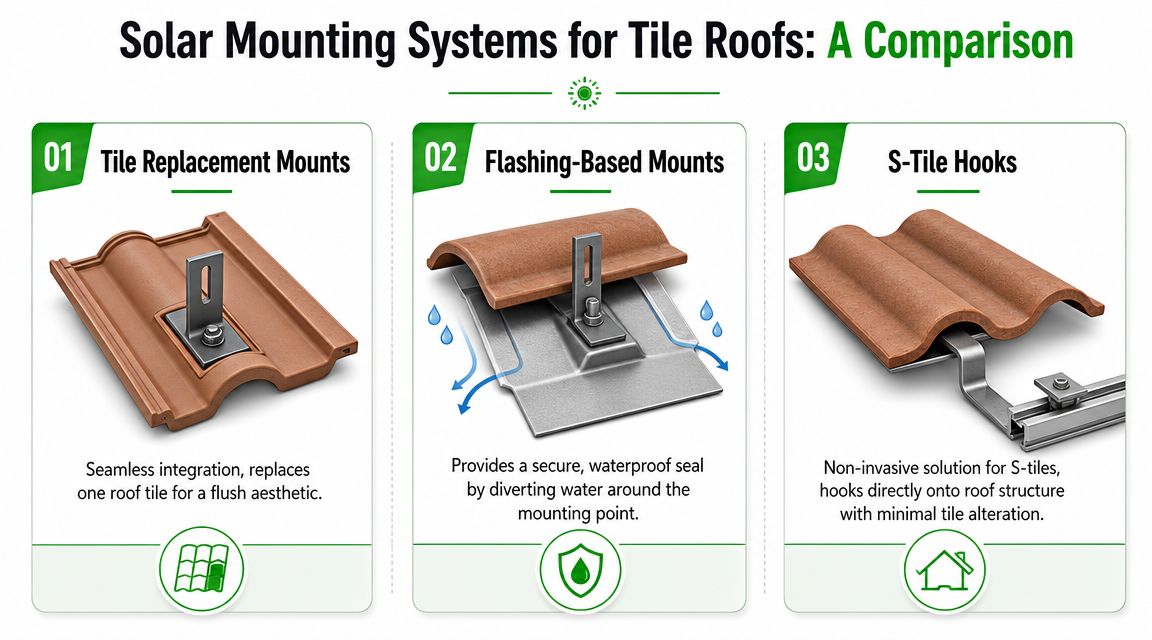
This is the familiar approach on many tiled homes. The installer lifts selected tiles, fixes brackets into the roof structure, and then relays or modifies the tile so the bracket can pass through without creating pressure.
It's popular because it's practical and widely used. On the right roof, it works well.
What works well
- Established method: Most experienced NSW installers know this system inside out.
- Strong compatibility: It suits many existing concrete and terracotta roofs.
- Straightforward servicing: Future access to panels and rails is generally simple.
What can go wrong
- Poor tile grinding: If cuts are rough or too tight, tiles can sit under stress and crack later.
- Weak waterproofing detail: The mount may be secure, but the roof finish may not be.
- Rushed relaying: Misaligned tiles can affect drainage and appearance.
Tile replacement and flashing-based mounts
These systems replace a tile or use purpose-made flashing to create a cleaner, more controlled penetration detail. They're often a better choice when roof integrity and weatherproofing are the top priorities.
They usually involve more roof-specific work, but they reduce the chance of tiles bearing awkward loads around the bracket.
| System | Best for | Watch-outs |
|---|---|---|
| Tile hooks | Existing tiled roofs in sound condition | Relies heavily on installer care and tile finishing |
| Replacement mounts | Homeowners prioritising roof detailing and lower-risk penetrations | May require more upfront planning |
| Flashing-based mounts | Roofs where water management detail is critical | Needs proper product selection for tile profile |
If you're comparing integrated roof products, some homeowners also look outside the standard panel route to solve high bills with solar roofs. The key is to separate aesthetics from practicality. A premium look only adds value if the roof detail is sound.
Fully integrated solar tiles
This is the premium end of the spectrum. Instead of mounting conventional panels over tiles, the solar product becomes part of the roof finish.
For homeowners who want the most integrated result, modern solar tiles can achieve module-level efficiencies above 23% and deliver 445 Wp per tile, which means fewer roof penetrations are needed to reach a target system size, based on the Marley SolarTile specification.
That's impressive technology, but it doesn't make integrated systems the automatic winner. They make the most sense when:
- the homeowner strongly values appearance,
- the roof is already being replaced or redesigned,
- or the project suits a roof-integrated approach from the start.
For many existing NSW homes, conventional panels on a well-designed tile mounting system remain the more practical solution.
The Installation Process and Safety Measures
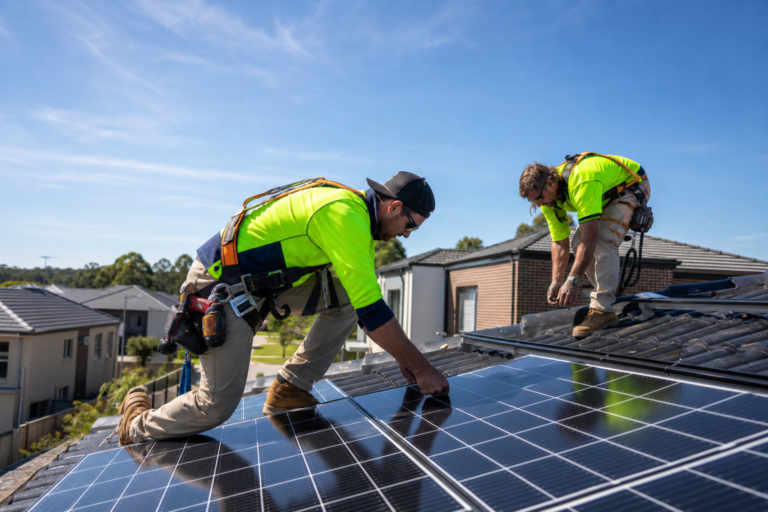
The quality of a tile roof solar job is decided long before the panels go on. Good installers don't start with modules. They start with the roof.
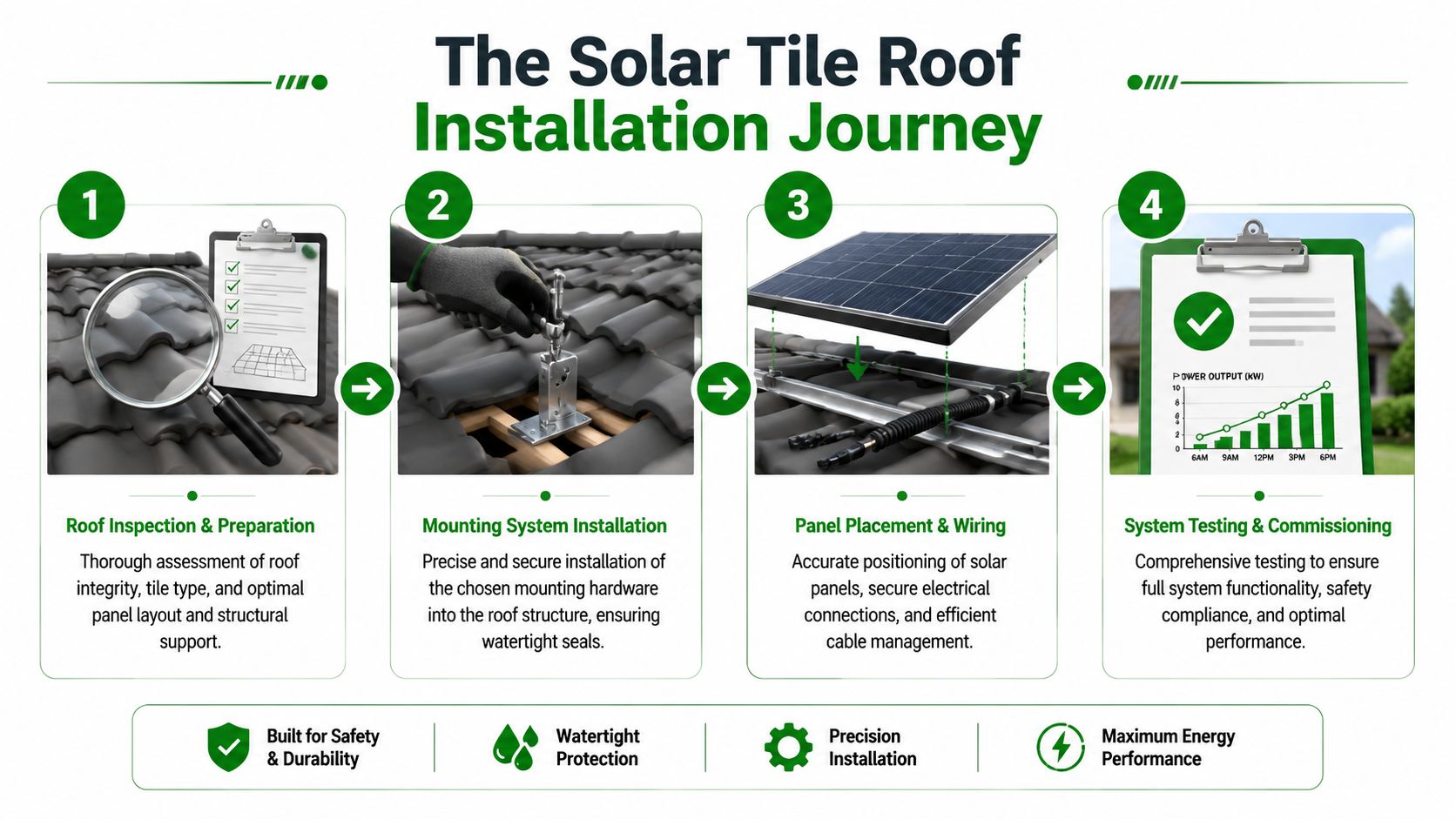
Inspection comes first
A proper pre-install inspection should answer a few essential questions. Is the roof structurally sound. Are the tiles stable enough to work on. Is there sagging, earlier water entry, or aged pointing that changes the install plan.
For older tiled homes in NSW, timing matters as much as sunlight. Solar suitability depends on the roof's remaining lifespan, and in many retrofit-age homes the smarter question is whether to install solar now or bundle it with future roof work to avoid double-handling, as discussed in this article on roof timing and solar installation decisions.
Waterproofing is the real trade skill
Most homeowners worry about panel performance. Roofers worry about water. They're right to.
A tile roof sheds water through overlapping layers and drainage paths. Every mount has to respect that path. The job isn't just fastening hardware. It's keeping the roof weather-tight after the hardware is installed.
Key details that matter are:
- Correct flashing selection: It must suit the roof profile and the mounting point.
- Clean tile seating: Reinstalled tiles should lie naturally, not be propped up by brackets.
- Orderly cable routing: Loose cable under tiles creates future service issues and can interfere with tile seating.
- Replacement planning: If breakages happen, matching replacements should be ready.
A good explanation of what workmanship should look like is covered in this guide to quality solar installations. The principle is simple. Premium hardware doesn't rescue poor roof work.
This visual gives a useful overview of the sequence involved:
Tile breakage can be managed
Some tile breakage is a known risk on tiled roofs, especially older terracotta. The professional difference is how the crew reduces that risk and responds when it happens.
The safest tile roof install is the one where the team expects breakage, plans for it, and never leaves damaged material hidden under the array.
That means controlled access across the roof, careful lifting, experienced cutting, and a final check of every disturbed section before handover. Homeowners shouldn't expect perfection in the sense of zero interaction with the roof. They should expect competence, tidy detail, and no shortcuts.
Protecting Your Warranties and Investment
One of the biggest unspoken worries is simple. If solar goes on the roof, what happens to the roof warranty and the value of the home?
The answer depends on who installs it and how the work is documented. A proper installation protects your position far better than a cheap job with vague paperwork. Solar, roofing, and workmanship responsibilities should be clear from the start. If they aren't, that's a warning sign.
Know which warranty covers what
Homeowners often lump everything into one “solar warranty”, but there are separate layers.
- Product warranties: These cover the solar equipment itself, such as panels, inverter, and mounting components.
- Workmanship warranties: These cover installation quality, including how the system was fitted.
- Roof-related responsibility: This should spell out who is accountable if a roof penetration or tile disturbance leads to a problem.
Ask for those items in writing, not as verbal reassurance.
Maintenance is usually light, but it isn't zero
A well-installed system on a tile roof is generally low maintenance. Still, it's smart to keep an eye on the roof as part of normal home upkeep.
Good habits include:
- Visual checks after storms: Look for displaced tiles, debris build-up, or anything that looks out of line.
- Prompt attention to leaks: Even a small stain indoors should be investigated early.
- Panel cleaning only when needed: Heavy grime, leaf build-up, or bird mess can justify cleaning, but it should be done in a roof-safe way.
- Service records kept together: Warranties are easier to rely on when documents are easy to find.
If you're planning the financial side of the project as well, it's worth understanding what support may be available through current solar rebates in NSW. Incentives can help the project stack up, but they shouldn't distract from installer quality.
Long-term value comes from risk reduction
The strongest solar investment is usually not the one with the flashiest proposal. It's the one that leaves the roof in sound condition, uses suitable hardware, and avoids rework.
That's especially true on tiled homes. If the install creates future roof repairs, the savings story gets weaker fast. If the system is installed cleanly and the roof remains watertight, solar becomes the quiet asset it should be.
How to Choose a Licensed Installer in NSW
Tile roof solar is where installer quality shows up quickly. A poor crew can make a mess of a good roof. A strong crew can make a complicated roof look straightforward.
Australia's residential rooftop solar market passed 3 million installations in 2023, and that depth of experience means seasoned installers in NSW have worked extensively with the concrete and terracotta roofs common across the region, as referenced in this industry summary on Australia's rooftop solar milestone.
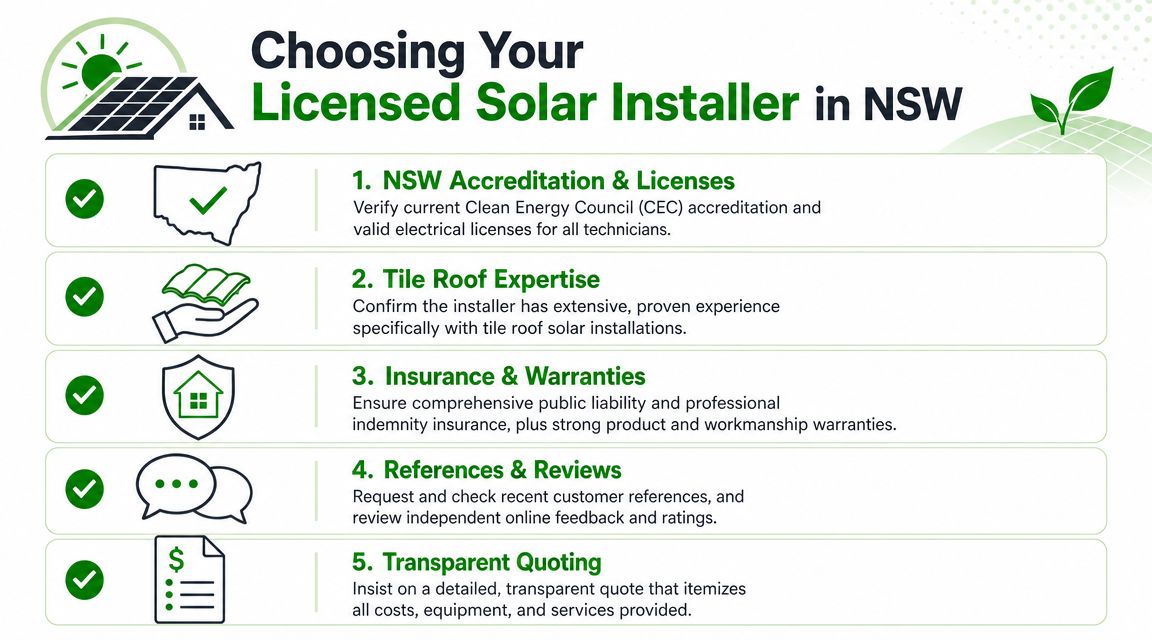
What to check before you sign
Don't just compare panel brands and system size. Compare the people doing the work.
- Licensing and accreditation: Confirm the business and technicians hold the required NSW electrical licensing and relevant solar accreditation.
- Tile roof experience: Ask how they handle terracotta, concrete, spare tiles, flashing, and brittle older roofs.
- Crew structure: Find out whether the installers are in-house or subcontracted. Accountability is usually clearer when the business controls the job directly.
- Roof assessment process: A serious installer inspects the roof properly before locking in the method.
- After-care: Ask who comes back if there's a post-install issue.
If you want a benchmark for what a local provider should offer across panels, batteries, and related energy products, it helps to review examples of solar panel and solar battery services in Sydney.
Cheap quotes often hide roof risk
The lowest quote can leave out the hardest parts of a tile roof job. It may assume easy access, no tile replacements, minimal roof prep, or a generic mounting method that isn't ideal for your roof.
A quote that ignores roof complexity isn't cheap. It's incomplete.
Ask direct questions:
- Who inspects the roof before install day?
- How do you manage tile breakage?
- What mounting system are you proposing, and why?
- What waterproofing detail do you use at penetrations?
- Who is responsible if roof issues appear after the install?
A good NSW installer won't dodge those questions. They'll answer them clearly.
Frequently Asked Questions About Tile Roof Solar
Will my tiles definitely break during installation
Not definitely, but breakage is a known risk, especially on older terracotta roofs. A skilled team reduces the risk with careful access, proper tile lifting, and the right mounting detail. What matters most is that any broken tiles are identified and replaced properly.
Can old tile roofs still get solar
Sometimes yes, sometimes no. The roof needs to be assessed first. If the tiles are too fragile or the roof is close to needing major work, it may be smarter to combine solar with roof repairs or reroofing rather than install now and disturb it again later.
Is solar for tile roof homes more complicated than metal roof solar
Usually yes. Tile roofs need more roof-specific handling, more care around waterproofing, and better planning around breakage and relaying. That doesn't make them unsuitable. It just means installer skill matters more.
Should I choose integrated solar tiles or standard panels
It depends on your priorities. Integrated products suit homeowners who care strongly about appearance and are prepared for a more roof-integrated solution. Standard panels are often the more practical retrofit option on existing NSW homes.
Do I need to clean the panels often
Not always. Many systems need very little intervention, but it's worth learning safe maintenance basics and when dirt or debris becomes worth addressing. This guide to solar panel cleaning tips for homeowners is a useful starting point.
What's the biggest mistake homeowners make
Choosing on price alone. On a tiled roof, the cheapest proposal can become the most expensive if the roof work is poor or the system needs to be redone around future repairs.
If you want practical advice on whether your tiled roof is ready for solar, speak with Interactive Solar. Their team handles solar, batteries, EV charging, and installation with in-house crews in NSW, so you can get clear guidance on roof suitability, system design, and the lowest-risk path forward.
Make Interactive Solar a preferred source in Google
One click tells Google to surface our articles more often in Top Stories, AI Overviews and AI Mode.