Tesla Powerwall Installation Sydney: 2026 Cost, Rebates & Sizing Guide
Last updated:
Tesla powerwall installation sydney homes are completing in 2026 is a straightforward process when you use a CEC-accredited installer: the Powerwall 3 is fully installed in one day, starts at around $9,500 after federal rebates, and earns additional NSW VPP incentives on top. This guide covers costs, rebates, real sizing examples, grid connection requirements, and how to choose the right installer for your Sydney property, with everything updated for the May 2026 rebate changes.
Tesla Powerwall Installation Sydney: 2026 Cost Breakdown
The total cost of a Tesla Powerwall 3 installation Sydney residents pay in 2026 sits between $13,500 and $16,500 fully installed before rebates, depending on site complexity, switchboard condition, and whether backup circuits are included. After the federal Cheaper Home Batteries Program rebate (which applied significant STC discounts from 1 May 2026), most Sydney households pay $9,500 to $13,000 out of pocket for a single Powerwall 3 unit.
Here is how the 2026 cost structure breaks down for a typical Sydney installation:
| Cost Component | Typical Range (AUD) | Notes |
|---|---|---|
| Powerwall 3 unit (supply) | $11,200 to $13,500 | Tesla RRP; includes built-in inverter and gateway |
| Installation labour | $800 to $1,500 | 1-day job for most Sydney homes |
| Switchboard upgrade (if needed) | $500 to $1,200 | Older switchboards may need circuit breaker upgrade |
| Grid connection / DNO approval | $150 to $400 | Ausgrid or Endeavour Energy network approval |
| Total before rebates | $13,500 to $16,500 | Standard single-unit job |
| After Cheaper Home Batteries rebate | $9,500 to $13,000 | Based on May 2026 STC tier for 13.5 kWh capacity |
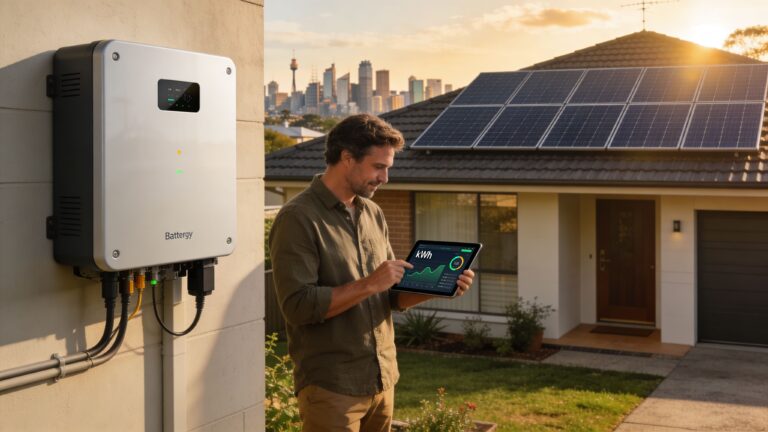
The Powerwall 3 includes a built-in 11.04 kW hybrid inverter, which eliminates the need to purchase a separate inverter if you are adding battery storage to an existing solar system. This makes it the most cost-effective Tesla option for sydney homes that already have panels on the roof.

2026 Rebates for Tesla Powerwall Installation Sydney Homes
The federal Cheaper Home Batteries Program is the main rebate mechanism reducing the cost Sydney Powerwall customers pay, and from 1 May 2026 the STC discount structure changed to better reflect real-world battery pricing across different capacity tiers.
The updated May 2026 STC taper structure works as follows for a Powerwall 3 (13.5 kWh usable capacity):
- First 14 kWh of capacity: 6.8 STCs per kWh apply for installations from May to December 2026, worth approximately $252 per kWh at current STC spot prices, so the full 13.5 kWh of the Powerwall 3 falls in this tier, delivering a rebate of approximately $3,300 to $3,600 depending on the STC spot price on the day of assignment.
- 14 to 28 kWh: 60% STC factor. Relevant only if you are installing two Powerwall 3 units (27 kWh combined).
- 28 to 50 kWh: 15% STC factor. Applies to larger stacked configurations.
For the typical single Powerwall 3, the rebate saves Sydney households between $3,300 and $3,900 upfront. CEC-accredited installers like Interactive Solar assign the STCs on your behalf, so you receive the rebate as an upfront discount on your invoice rather than applying for it separately.
On top of the federal rebate, NSW residents can access the NSW VPP incentive: by connecting your Powerwall 3 to an approved Virtual Power Plant operator, you receive a one-off payment from the NSW Government. From 1 July 2026, the VPP incentive covers batteries up to 50 kWh in capacity, which means single and dual Powerwall 3 configurations both qualify. The incentive amount varies by VPP operator but typically adds $500 to $1,500 to your bottom line.
The NSW VPP incentive stacks with the federal Cheaper Home Batteries Program discount, so a Sydney homeowner installing a Powerwall 3 in mid-2026 can realistically reduce their total cost to $8,000 to $11,500 after both incentives. For the authoritative current STC values, check the Clean Energy Regulator’s battery rebate page.
Tesla Powerwall 3 Specs: What Sydney Installers Work With in 2026
Understanding the technical specifications helps you assess whether the Powerwall 3 suits your household load and your existing solar configuration. Here are the key numbers for the 2026 Australian market:
| Specification | Powerwall 3 (AU 2026) |
|---|---|
| Usable energy capacity | 13.5 kWh |
| Total battery energy | 14 kWh |
| Continuous power output (AC) | 11.04 kW |
| Peak power (5 seconds) | 22 kW |
| Built-in solar inverter | Yes, up to 20 kW DC solar input |
| MPPTs | 3 (ideal for east/west/north split arrays) |
| Grid connection | Single phase, 230V AC, 50 Hz |
| Stackable units | Up to 4 units (54 kWh usable) |
| Warranty | 10 years / unlimited cycles / 70% capacity retention |
| Chemistry | Lithium iron phosphate (LFP) |
The three independent MPPT inputs are a standout feature for Sydney homes, where roof orientation varies enormously across different suburbs. A Moorebank property with panels on three roof faces (north, east, and west) can feed each array into its own MPPT string without losses, maximising generation even on the diffuse-light days that come with Sydney’s changeable weather.
Tesla Powerwall Installation Sydney: Grid Connection, Export Limits and Approvals
Every residential battery installation in Sydney must be lodged with the relevant distributor before commissioning. Greater Sydney sits across two distribution networks, and each has different export limits that affect how your Powerwall 3 interacts with the grid.
Ausgrid covers inner Sydney, the North Shore, Eastern Suburbs, and parts of the Inner West. Its single-phase export limit is 10 kW, which means if your combined solar plus Powerwall export capacity exceeds that threshold, your installer will need to apply for a higher export approval or cap the inverter output accordingly.
Endeavour Energy covers Western Sydney, including Blacktown, Parramatta, Liverpool, Penrith, and surrounding suburbs. Endeavour’s standard single-phase export limit is also 10 kW, with three-phase connections permitted up to 30 kW.
In practice, a Powerwall 3 paired with a standard 6.6 kW or 10 kW solar system sits comfortably within single-phase export limits for most Sydney networks. Where it gets complex is on homes with larger 13 kW or 20 kW arrays, where your installer may need to coordinate an extended export request or configure the Powerwall to prioritise self-consumption over export.
The NSW regulatory process also requires a Certificate of Electrical Safety (CES) to be issued by the installing electrician, and the system must be registered on the Small-scale Renewable Energy Scheme to generate STCs. Interactive Solar handles all distributor notifications, CES paperwork, and STC registration on behalf of Sydney customers as part of the installation package.
Tesla Powerwall Installation Sydney: Sizing Guide for 2026 Households
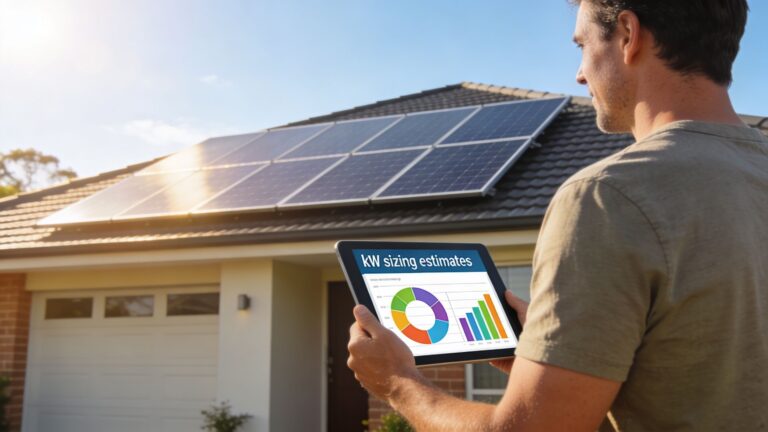
A single Powerwall 3 (13.5 kWh usable) suits most sydney residential use cases, but matching the right configuration to your household electricity profile is critical for maximising your return. The wrong sizing decision is one of the most common and most expensive mistakes Sydney battery buyers make.
Here is a sizing guide based on daily household consumption, using Sydney average grid tariffs of $0.30 to $0.38 per kWh for imported electricity:
| Household Size | Daily Usage | Recommended Config | Est. Annual Saving | Payback Period |
|---|---|---|---|---|
| Small (1-2 people) | 10 to 15 kWh/day | 1x Powerwall 3 | $1,200 to $1,600 | 6 to 8 years |
| Medium (3-4 people) | 20 to 30 kWh/day | 1x Powerwall 3 | $1,800 to $2,400 | 5 to 7 years |
| Large (5+ people) | 35 to 50 kWh/day | 2x Powerwall 3 (27 kWh) | $2,500 to $3,500 | 6 to 8 years |
| EV + home (charging overnight) | 40 to 60 kWh/day | 2 to 3x Powerwall 3 | $3,000 to $5,000 | 5 to 7 years |
If you have or plan to install an EV charger, sizing up to two Powerwall 3 units is often the better choice. Interactive Solar’s battery consultants will review your last 12 months of electricity bills, your solar generation data, and your EV charging patterns before recommending a configuration. This analysis is included free with any battery quote from Interactive Solar.
Tesla Powerwall Installation Sydney: The Installation Process Step by Step
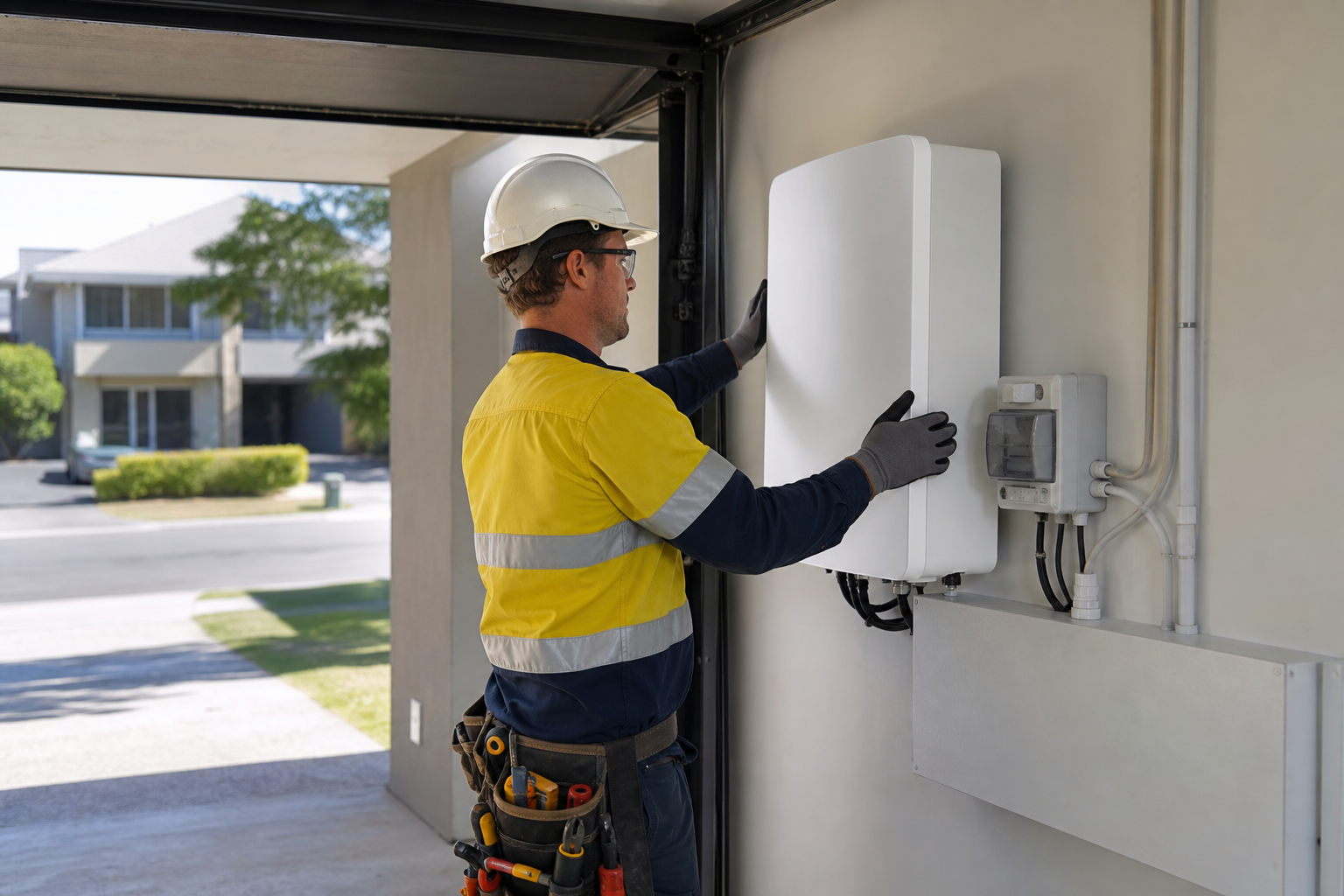
The Tesla Powerwall installation process in Sydney is completed in a single day for the vast majority of residential jobs when the site is well-prepared. Here is what the full process looks like from your first contact to system activation:
- Free site assessment and quote (Day 0): An Interactive Solar consultant visits your property to check roof space, switchboard condition, existing inverter compatibility, and wall-mounting location for the battery. They assess distributor network requirements and advise on backup circuit configuration.
- System design and DNO lodgement (Days 1 to 5): The installation team prepares the connection application to Ausgrid or Endeavour Energy and designs the electrical wiring layout. Most standard applications are approved within 2 to 5 business days.
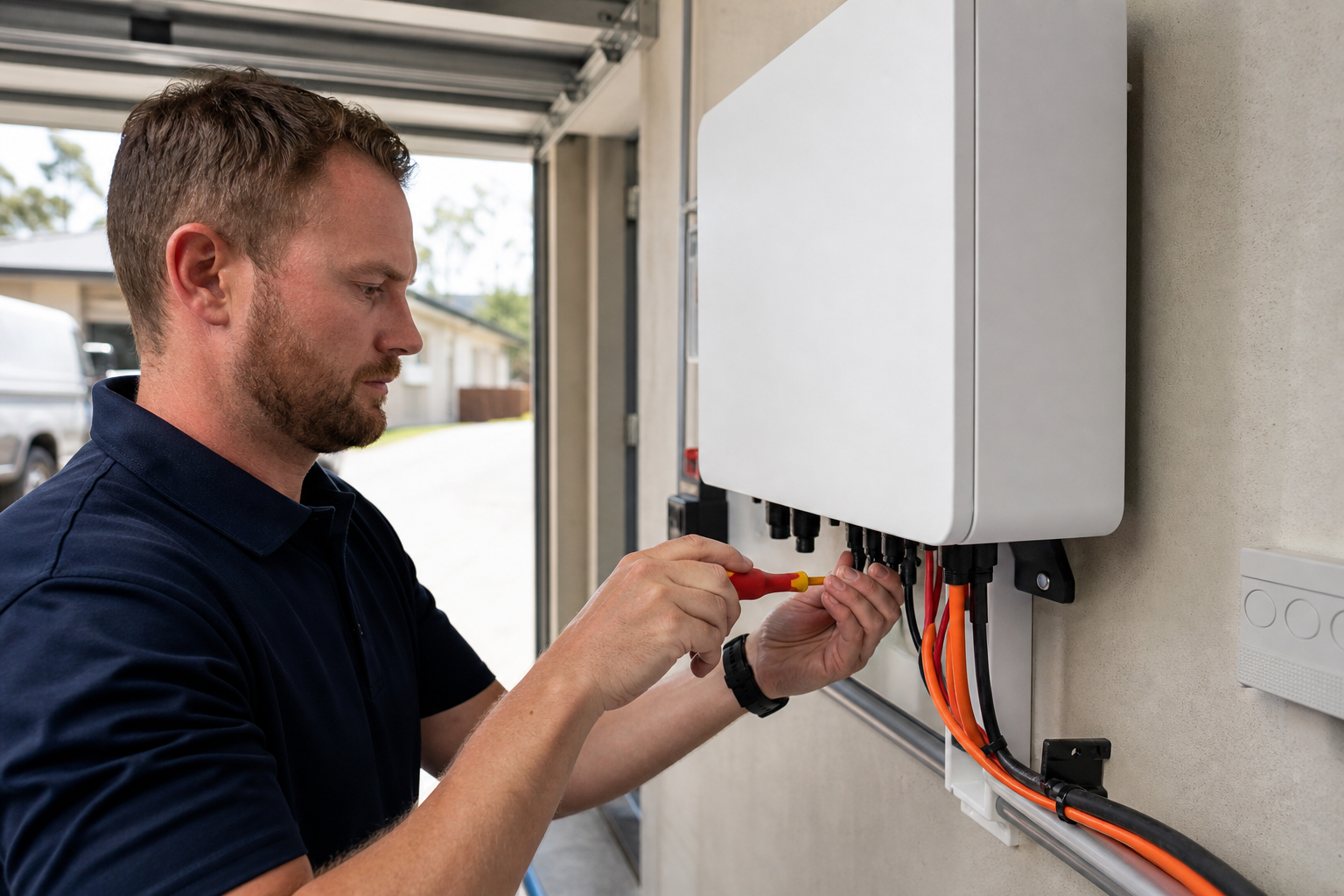
- Installation day (Day 6 to 14 from deposit): A CEC-accredited electrician mounts the Powerwall 3 on the wall (indoor garage or sheltered outdoor mounting), connects DC solar strings to the three MPPT inputs, wires the AC output to the switchboard, and configures backup circuits if selected. The Backup Gateway 2 is installed and paired with the Tesla app.
- Certificate of Electrical Safety and grid commissioning: The electrician issues the CES, which is submitted to the network distributor. The system is switched on and commissioned on the Tesla app, confirming charge, discharge, and backup modes are operating correctly.
- STC assignment and rebate processing: Interactive Solar lodges STC paperwork on your behalf. The rebate is already reflected in your invoice price.
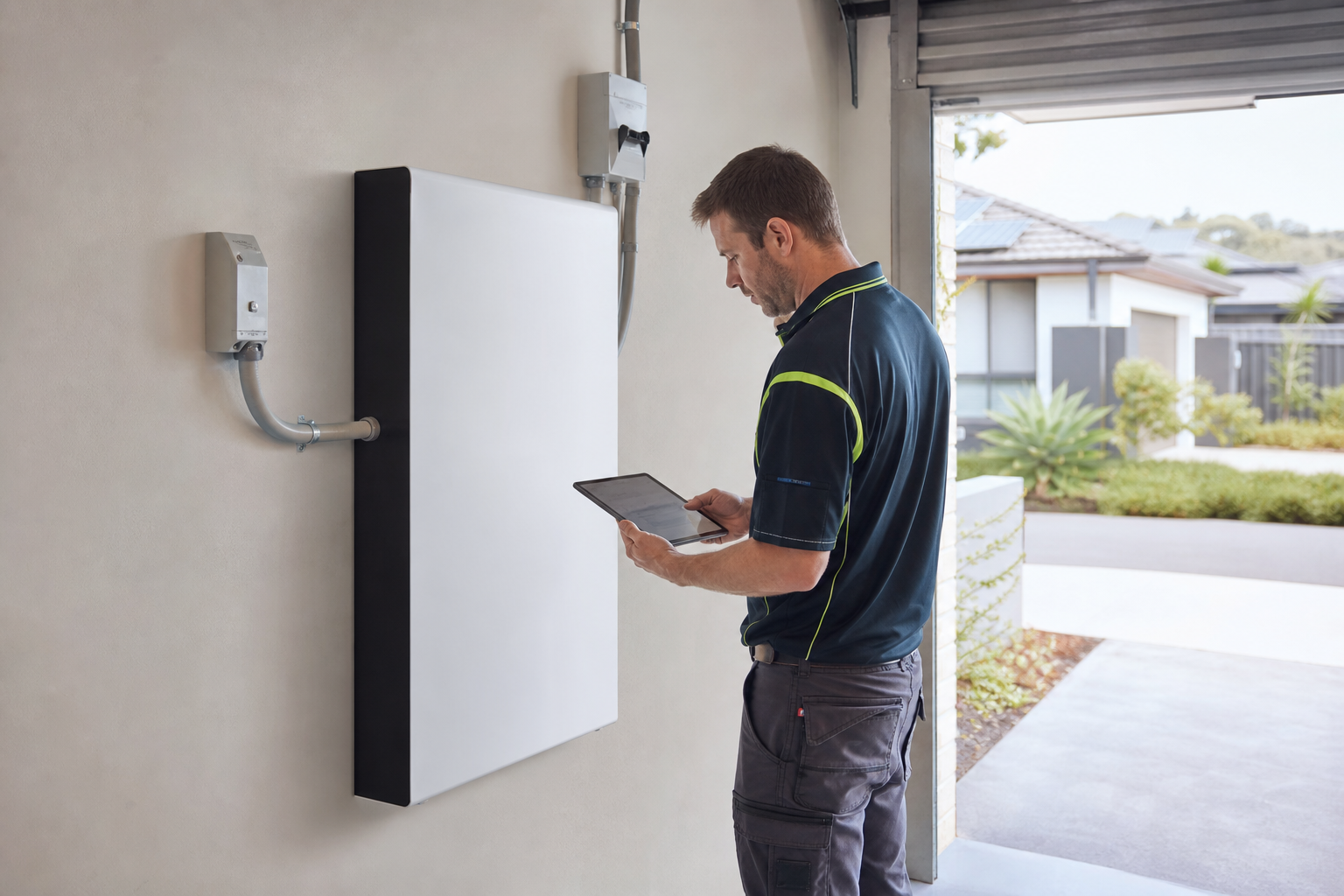
- Handover and ongoing monitoring: You receive a walkthrough of the Tesla app showing self-consumption, grid import/export, and battery state of charge. Interactive Care provides ongoing monitoring support and annual inspection services.
Total on-site time for a standard installation: 4 to 6 hours. Homes needing switchboard upgrades or three-phase wiring modifications may require an additional half-day.
Tesla Powerwall Installation Sydney: How to Choose the Right Installer
Not all solar installers offering Powerwall installation services in Sydney are authorised Tesla Powerwall installers. Choosing the wrong company can affect your warranty, your STC eligibility, and the quality of your grid connection approval. Here is the checklist to use when evaluating installers:
- Tesla Powerwall Certified Installer: Tesla maintains a network of certified installers who have completed product training and meet installation quality standards. Only certified installers can register new Powerwall units under Tesla’s warranty framework.
- Solar Accreditation Australia (SAA) accreditation: Installer accreditation transferred from the Clean Energy Council to Solar Accreditation Australia on 29 May 2024. Your installer and designer must hold current SAA accreditation for grid-connected battery systems (GCBS) to register STCs under the Cheaper Home Batteries Program. The Clean Energy Council still runs the Solar Retailer Code of Conduct and product approval lists, so a Code of Conduct signatory retailer with SAA-accredited installers is the strongest combination.
- Licensed electrical contractor: All Powerwall installations in NSW require a licensed electrical contractor to sign off on the Certificate of Electrical Safety. Verify the contractor’s NSW Fair Trading electrical contractor licence number.
- Structural engineering sign-off (where required): Garages with older brick or timber walls may require a structural engineer to confirm the wall can support the 130 kg weight of the Powerwall 3 unit.
- Workmanship warranty: Look for a minimum 5-year workmanship warranty from the installer, separate from Tesla’s 10-year product warranty.
- Local Sydney experience: A Sydney-based installer will know the specific quirks of Ausgrid and Endeavour Energy network approval processes, typical switchboard configurations in local suburbs, and council requirements that vary across Greater Sydney.
Interactive Solar meets all of these criteria: CEC-accredited, Tesla Powerwall Certified, fully licensed in NSW, and with an established track record of installations across Sydney suburbs from Mosman to Penrith. View completed battery projects in the Interactive Solar project gallery.
Tesla Powerwall Installation Sydney: VPP Enrolment and Ongoing Earnings
One of the strongest financial arguments for Sydney Powerwall 3 owners in 2026 is the layered revenue opportunity from Virtual Power Plant enrolment. After your Powerwall 3 is commissioned, you can enrol in an approved VPP through Tesla Energy Plan (available through certain energy retailers) or through third-party VPP operators.
Under a VPP arrangement, the VPP operator can dispatch a small portion of your stored battery energy to the grid during peak demand events. In exchange, you receive payments that supplement your regular feed-in tariff income. The NSW Government VPP incentive (one-off payment for registering your battery with an eligible VPP) stacks on top of any ongoing VPP earnings.
From 1 July 2026, the NSW VPP incentive eligibility expanded to cover batteries up to 50 kWh, meaning dual Powerwall 3 configurations (27 kWh) qualify in full. Eligibility requires the battery to have been installed with the NSW battery discount and enrolled with an approved VPP operator listed by NSW Climate and Energy Action.
For homes also considering an EV, pairing the Powerwall 3 with an Interactive Solar EV charger creates a complete home energy ecosystem: solar panels generate during the day, the Powerwall stores the surplus, and the EV charges overnight from stored solar energy rather than grid power.
Tesla Powerwall Installation Sydney: Feed-in Tariffs, VPP Earnings and the NSW Home Energy Saver Loan
Falling feed-in tariffs are the single biggest reason Powerwall enquiries across Sydney have accelerated through 2026. IPART’s all-day solar feed-in tariff benchmark for 2026-27 is just 3.4 to 6.5 c/kWh, down from 4.8 to 7.3 c/kWh in 2025-26, while Sydney households still pay 30 to 38 c/kWh to import grid electricity. That six-to-tenfold gap between what you earn exporting and what you pay importing is what makes storing solar in a Powerwall 3 rather than exporting it for a few cents so financially compelling.
Beyond the federal Cheaper Home Batteries Program STC discount, eligible NSW households can also draw on the NSW Home Energy Saver program: a zero-interest loan of up to $15,000 for homeowners with taxable household income up to $210,000, covering solar, battery, and other eligible energy upgrades. A separate discount of up to $4,000 is available to households earning up to $80,000 or holding an eligible concession card, including renters with landlord approval. Apply for the discount before the loan if you want to combine both on the one Powerwall 3 purchase.
On top of that, the NSW VPP incentive (Peak Demand Reduction Scheme, BESS2) stacks with the federal battery discount for batteries up to 50 kWh, and can be combined with ongoing VPP dispatch payments from your energy retailer. Interactive Solar helps Sydney customers register for an approved VPP operator as part of the Powerwall 3 handover, so the battery starts earning from day one rather than sitting idle overnight.
Why choose a certified installer for tesla powerwall installation sydney projects
Tesla maintains its own Certified Installer network alongside SAA accreditation, and only Certified Installers can register new Powerwall 3 units for Tesla’s warranty. The video below from the Clean Energy Council explains the Solar Retailer Code of Conduct that reputable Sydney installers, including Interactive Solar, operate under.
For a broader comparison of certificate-based rebates across NSW, see the IPART feed-in tariff dashboard and the Clean Energy Council consumer guides, both of which Interactive Solar references when advising Sydney customers on the current numbers.
Frequently Asked Questions: Tesla Powerwall Installation Sydney
How much does tesla powerwall installation sydney cost in 2026?
A fully installed Tesla Powerwall 3 in Sydney costs $13,500 to $16,500 before rebates. After the federal Cheaper Home Batteries Program STC discount (worth approximately $3,400 to $4,100 for the 13.5 kWh Powerwall 3), the effective out-of-pocket cost is $9,500 to $13,000 for most households. Adding the NSW VPP incentive can reduce this by a further $500 to $1,500.
How long does Powerwall installation take?
Most Sydney residential installations are completed in a single day (4 to 6 hours on site). The process from signing a contract to commissioning typically takes 7 to 14 days, including the 2 to 5 business days for distributor network approval from Ausgrid or Endeavour Energy.
Do I need solar panels to install a Tesla Powerwall 3?
No. The Powerwall 3 can operate as a standalone battery, charging from the grid during off-peak periods and discharging during peak tariff times. However, pairing it with a solar system maximises your financial return by storing free solar energy rather than purchasing grid power for the battery. Interactive Solar can assess whether a solar-plus-battery package or battery-only installation suits your situation.
What are the grid export limits for Sydney Powerwall installations?
Both Ausgrid (inner Sydney, North Shore, Eastern Suburbs) and Endeavour Energy (Western Sydney, Parramatta, Liverpool, Blacktown, Penrith) apply a standard single-phase export limit of 10 kW. Three-phase connections are permitted up to 30 kW. For most homes with a 6.6 kW to 10 kW solar system, a single Powerwall 3 is within these limits without any special approval.
Is the Tesla Powerwall eligible for NSW rebates in 2026?
Yes. The Powerwall 3 is eligible for the federal Cheaper Home Batteries Program STC rebate (approximately $3,400 to $4,100 upfront discount on a 13.5 kWh unit). It is also eligible for the NSW VPP incentive when enrolled with an approved Virtual Power Plant operator. Both incentives can be combined. A CEC-accredited installer will process the STC assignment on your behalf.
Can I add a second Tesla Powerwall 3 later?
Yes. The Powerwall 3 is designed to be stackable, supporting up to 4 units (54 kWh usable capacity). A second unit can be added to an existing installation at any time, though each additional unit requires its own STC registration and distributor notification. The combined 27 kWh from two units also qualifies for the NSW VPP incentive under the 2026 expanded eligibility rules.
What is the difference between the Powerwall 2 and Powerwall 3 for Sydney homes?
The Powerwall 3 replaces the Powerwall 2 as Tesla’s current Australian model. Key improvements include: a built-in hybrid solar inverter (the Powerwall 2 required a separate inverter), three MPPT inputs (versus one on Powerwall 2), higher continuous power output (11.04 kW versus 7 kW), and the same 13.5 kWh usable capacity. For new installations in Sydney in 2026, the Powerwall 3 is the correct and only option. Interactive Solar no longer supplies or installs the Powerwall 2.
Ready to get a firm quote for your Sydney property? Contact Interactive Solar for a free site assessment. Our team services all Greater Sydney suburbs, from the Inner West and Eastern Suburbs through to Western Sydney, Blacktown, Parramatta, Liverpool, and the Hills District. You can also browse our customer reviews and see why Sydney homeowners consistently recommend us for battery storage installations.
Make Interactive Solar a preferred source in Google
One click tells Google to surface our articles more often in Top Stories, AI Overviews and AI Mode.