Natural Light Sources: A Guide for NSW Homes & Businesses
Last updated:
A lot of NSW homes and workplaces have the same quiet problem. The lights go on far earlier than they should because one part of the building never seems bright enough. A hallway stays dim all day. A back office needs artificial light by mid-afternoon. A living area gets some sun, but it also gets glare, heat and closed blinds.
That pattern shows up on power bills. It also shows up in comfort complaints, screen glare, hot rooms and poor use of roof space. People often treat natural light as a styling feature when it's really an energy input. Used well, it can reduce daytime lighting demand, improve how a room feels and support better solar performance across the whole property.
Natural light sources matter in NSW because they sit at the intersection of design and energy. The same sunlight that lights a room can also drive rooftop solar generation. The trick is control. Good daylighting lowers reliance on electric lighting without turning the building into a heat trap.
Your Untapped Resource for Lower Energy Bills
Daylight is often overlooked as part of an energy strategy. Instead, the focus tends to be on solar panels, batteries, efficient appliances, and perhaps insulation. But if you're turning lights on in the middle of the day, you're paying for a problem the building could often solve for free.
For most of human history, daylight was the default light source. Artificial lighting changed that because it became cheap, flexible and available at any hour. Global lighting efficiency has increased by about 1,000-fold and the price of light has fallen by more than 99.9% since the 1700s, which helps explain why electric lighting took over even though daylight remains the first and cheapest light source during the day, as outlined by Our World in Data's history of light at night.
That history still shapes how people use buildings now. Rooms get designed around convenience, not always around sun path, glazing position or reflected light. Then the owner compensates with switches, lamps and higher daytime consumption.
Where bills start creeping up
The issue usually isn't one dramatic flaw. It's a series of small, expensive habits:
- Dark centre rooms: Areas far from windows need lighting through much of the day.
- Closed blinds: A room may have plenty of glass but poor orientation or glare control, so occupants block the light they were supposed to benefit from.
- Uneven layouts: One side of the property gets all the usable daylight while work areas or commonly used spaces sit in shadow.
Practical rule: If a room needs lights on during bright daytime conditions, don't assume you need stronger bulbs. First check whether the building is failing to capture or distribute daylight properly.
Natural light sources aren't just about brightness. They're about reducing unnecessary electrical load before you size bigger systems to carry it. If you're already trying to trim overheads, this guide on ways to reduce electricity bills is a useful companion to smarter daylight use.
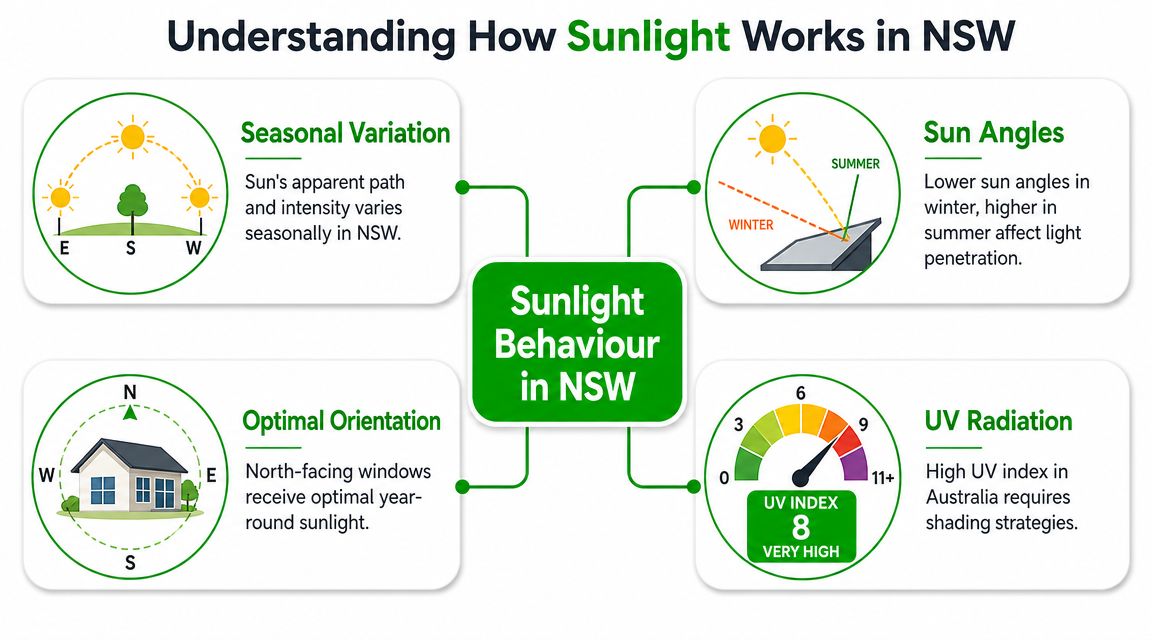
Understanding How Sunlight Works in NSW
Sunlight in NSW is generous, but it isn't uniform. It changes by season, by orientation and by how it enters the building. If you don't understand that, it's easy to create a room that looks bright on paper and performs poorly in real life.
Australia's solar resource is strong enough that many inland areas receive around 20–25 MJ/m²/day on average, which is why daylight remains a serious factor in building design and energy planning, as noted in this overview of lighting history and solar exposure.
Direct light and diffuse light
Not all daylight behaves the same way indoors. The useful distinction is this:
- Direct sunlight is the beam that enters straight from the sun. It's bright, sharp and often hot.
- Diffuse daylight is light scattered through the sky or reflected off surrounding surfaces. It's softer, more even and usually better for visual comfort.
- Reflected light comes from walls, ceilings, floors and external surfaces. Good interiors use it to pull daylight deeper into the room.
A lot of poor daylighting comes from chasing raw sun instead of usable light. A giant west-facing window can flood a room with direct sun, but that doesn't mean the space works well for living, working or cooling.
Why orientation changes everything
In NSW, north-facing glazing is usually the most useful for steady daylight because it aligns better with the sun's path across the southern hemisphere sky. East-facing windows give you morning light. West-facing windows often create the hardest afternoon heat and glare problems. South-facing windows can provide softer, lower-glare light, which is often underrated.
That's where glazing performance matters. If you want a plain-language explanation of how SHGC impacts home comfort, that resource is worth reading because it helps explain why two windows with similar size can behave very differently once heat enters the equation.
Good daylighting uses orientation first, glass performance second and shading third. If those three don't work together, occupants usually end up shutting curtains and reaching for the light switch.
Roof design matters too. Daylight, heat gain and solar collection all compete for the same surfaces, especially on complex roofs. If you're exploring roof-integrated options, this page on solar energy roof tiles shows how the roof itself can become part of the broader energy strategy.
The Real Benefits of Maximising Natural Light
The best argument for natural light sources isn't that they make a room look nicer. It's that they can make the building work better all day.
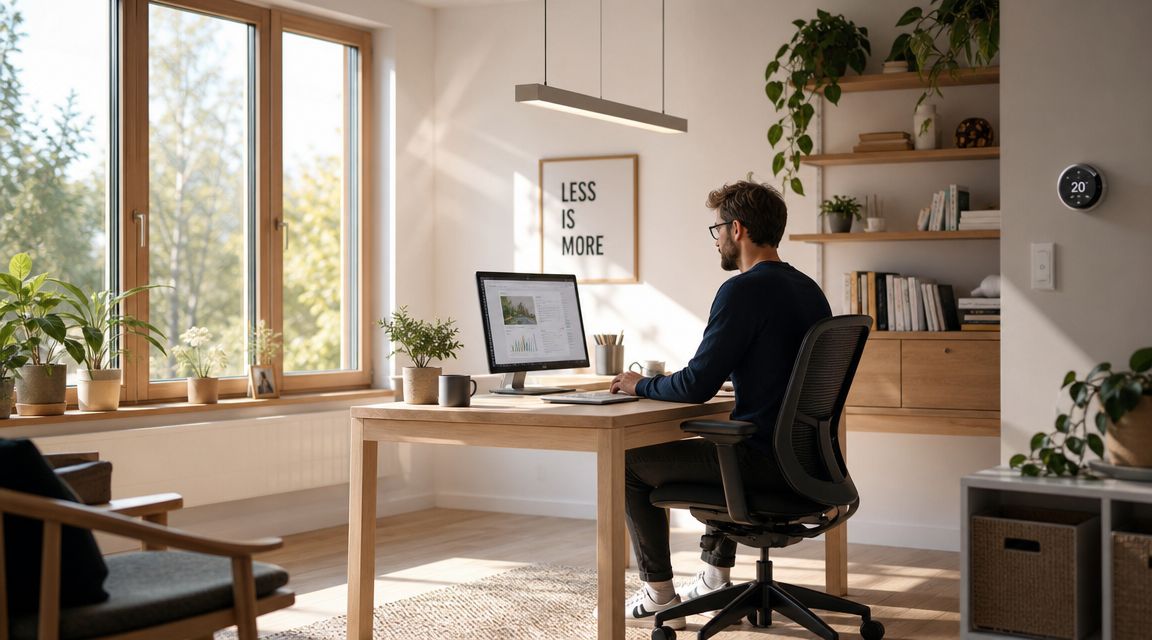
A brighter room needs less artificial lighting. A well-lit workspace often feels easier to use. A room with balanced daylight tends to feel less closed-in than one that relies on overhead lighting from morning to evening. Those practical changes affect how often people switch on lights, close blinds, run cooling and avoid certain spaces.
What changes in daily use
The strongest gains usually come from habit reduction. When daylight reaches the places people use, several things happen at once:
- Lights stay off longer: Kitchens, offices, meeting rooms and retail areas don't need constant daytime lighting.
- Rooms become more usable: People naturally choose spaces that feel open and comfortable.
- The building feels less dependent on electrical fixes: You're not patching a design issue with more fittings and more runtime.
Sunlight also remains foundational to day-night cycles that shape human activity. Even in a world full of electric light, natural light still helps structure how people use space and time. That matters in homes, schools, offices and commercial buildings where comfort isn't just about temperature.
Better light can mean better decisions
A naturally lit room often supports better furniture placement, better workstation positioning and fewer awkward compromises. If the only way to stop glare is to shut every blind by lunch, the room isn't performing well. If daylight enters softly and consistently, the room usually needs less intervention throughout the day.
That's one reason premium property markets often care so much about glazing, aspect and liveability. The exact context is different, but guides that focus on lifestyle value, such as this homeowners' guide to Forest Highlands, show how strongly buyers respond to light, outlook and interior comfort, not just floor area.
A bright room isn't automatically a good room. The real benefit comes when the light is usable for the way the space is lived in.
Natural light sources deliver their best results when they reduce electrical demand without adding new problems. That balance is what turns daylight from an aesthetic preference into a practical efficiency tool.
Practical Daylighting Strategies for Your Property
Daylighting works best when it's matched to the room. A kitchen needs different light behaviour from a media room. A warehouse office needs a different solution from a stairwell. NSW gets strong annual daylight availability, and Sydney receives roughly 3,000 hours of sunshine per year, while coastal NSW typically sees around 4.5–5.0 kWh/m²/day, which is why design decisions need to account for both good light access and heat gain, as explained in this technical guide to light source parameters.
Start with the room, not the product
A common mistake is choosing a skylight, bigger window or tube light before defining the problem. Ask first:
- Where is the room dark: Is the issue at the centre of the room, along one wall or all day across the whole space?
- What is the room used for: Desk work, circulation, cooking, storage and customer-facing areas all need different light quality.
- What happens in summer afternoons: A solution that looks good in winter can become unbearable in hot weather.
If privacy matters, window enlargement may be the wrong move. If the room sits deep inside the floorplan, roof-based daylight might be more effective than changing the façade.
What usually works best
Here are the strategies that consistently perform well when applied properly:
- North-oriented glazing: Best when you want steady daylight and better seasonal control.
- Skylights: Strong for central rooms, bathrooms, hallways and spaces with limited wall access.
- Solar tubes or tubular daylight devices: Useful where roof access is available but ceiling area is tight.
- Light-coloured surfaces: Ceilings and upper walls can bounce light deeper into the space at very low cost.
- Internal layout changes: Moving work zones closer to good daylight can outperform expensive building changes.
- External shading: This improves daylight quality by reducing harsh direct sun rather than blocking all light.
If you're comparing shading options, this guide to solar screens for windows is a practical reference because screens can reduce visual harshness while keeping rooms usable.
For roof-based daylighting, it helps to see product and installation options in context. These Skydome skylights in Sydney show the kind of approach that suits deeper, darker parts of a property where windows alone won't solve the problem.
Comparing Daylighting Solutions for NSW Properties
| Solution | Best For | Light Quality | Considerations |
|---|---|---|---|
| Larger or better-placed windows | Living areas, offices, shopfronts | Strong if orientation is right, can be uneven if not | Can increase glare, privacy issues and heat gain |
| Skylights | Hallways, bathrooms, internal rooms | High top-down light, often strong daytime brightness | Needs careful placement, flashing and heat control |
| Solar tubes | Small enclosed spaces, corridors, compact rooms | Diffuse and targeted | Less view connection, output depends on path and roof setup |
| Clerestory windows | Open-plan spaces, high walls | Soft elevated light that reaches deeper | Best suited to new builds or major renovations |
| Reflective paint and finishes | Any dark room as a support measure | Improves distribution rather than creating new light | Won't fix severe daylight shortages on its own |
| External shading devices | Rooms with strong direct sun | Improves comfort and light quality | Must be designed for orientation and season |
Choose the least invasive solution that solves the actual problem. If a room only needs better distribution, repainting and layout changes may do more than cutting a new opening.
Common Daylighting Pitfalls to Avoid in Australia
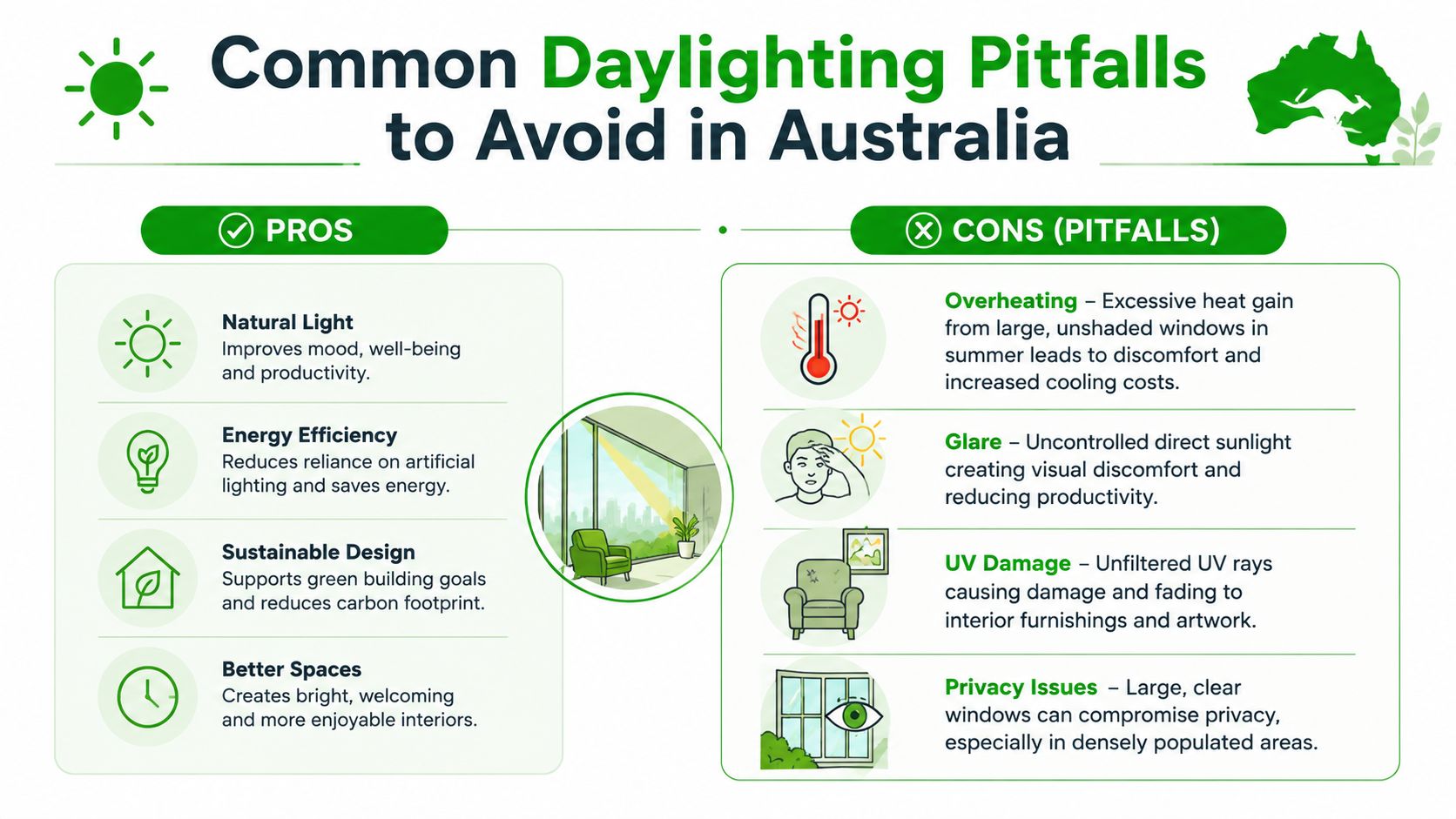
The biggest daylighting mistake in Australia is assuming more glass equals better performance. It often doesn't. In many NSW properties, the main problem isn't lack of daylight. It's poor control of daylight.
Human vision is strongly tuned to the diffuseness of natural light, and daylight quality depends on whether the light is direct, reflected or diffuse. When that balance is wrong, glare and overheating become major issues, especially in hot climates, as discussed in this research on natural light and visual response.
The expensive mistakes
These are the problems that show up repeatedly in homes and commercial fit-outs:
- Oversized unshaded western glazing: This creates punishing afternoon sun, hot surfaces and occupants who keep blinds closed.
- Skylights in the wrong place: A skylight directly over a screen zone, dining table or polished floor can create glare rather than comfort.
- Ignoring ventilation: Daylight openings can add heat to the building envelope. If trapped hot air can't escape, internal comfort drops quickly.
- Chasing brightness instead of balance: A room can look bright near the opening and still feel gloomy elsewhere.
A common sign of poor daylighting is when people try to “fix” the room with curtains, lamps, film and portable cooling after the fact. That usually means the original design delivered sunlight, not useful daylight.
What to do instead
The better approach is controlled daylight. That means combining light admission with heat management, shading and air movement.
Consider these practical checks:
- Use external shading first: It stops harsh sun before it enters the glass.
- Prioritise diffuse light: Reflected and softened daylight is usually more comfortable than direct beam exposure.
- Match openings to room function: A bedroom, workstation and retail counter shouldn't all be lit the same way.
- Vent the roof space: In many properties, roof heat build-up makes daylighting feel worse than it should.
Roof heat is often the hidden part of the problem. If the ceiling cavity stores excess warmth, the room below can feel stuffy even when the daylight itself is good. That's why roof ventilation solutions matter in any serious conversation about daylight, comfort and cooling load.
The goal isn't to maximise sunlight. The goal is to make the room brighter, calmer and easier to keep comfortable.
How Daylighting Enhances Your Solar and Battery System
Daylighting and solar generation should be planned together. They draw from the same daylight window, and when one is done well, the other usually performs better from an energy-management point of view.
If you reduce daytime lighting demand, your solar system has more of its generation available for other jobs. That could be appliances, air conditioning, business equipment, EV charging or battery charging. The gain isn't just lower lighting use. It's better allocation of daytime solar production across the whole site.
Why self-consumption improves
A lot of people look at solar only through the lens of panel output. In practice, what matters day to day is how much on-site demand you can shift or reduce while the system is generating.
When daylight handles more of your interior lighting, several useful things happen:
- Your solar power goes further during the day: Instead of covering lights that could have stayed off, generation can support higher-value loads.
- Battery charging becomes easier: Lower daytime consumption can leave more solar available to store for evening use.
- EV charging fits more naturally into the solar window: If lights and cooling loads are better managed, daytime charging becomes less competitive.
There's also a roof-planning angle. Skylights, vents, panel arrays and shade lines all compete for the same roof real estate. Poor placement can leave a panel string shaded by a roof feature, or put a skylight where the better solar position should have been preserved.
Plan the roof as one system
Many retrofit projects lose efficiency. The owner adds a skylight years before solar, or installs panels without considering future battery expansion, venting or daylight openings. The better method is to map roof use in one pass.
If you're weighing storage options, this battery comparison guide is a good place to understand how battery choice fits into broader daytime energy management.
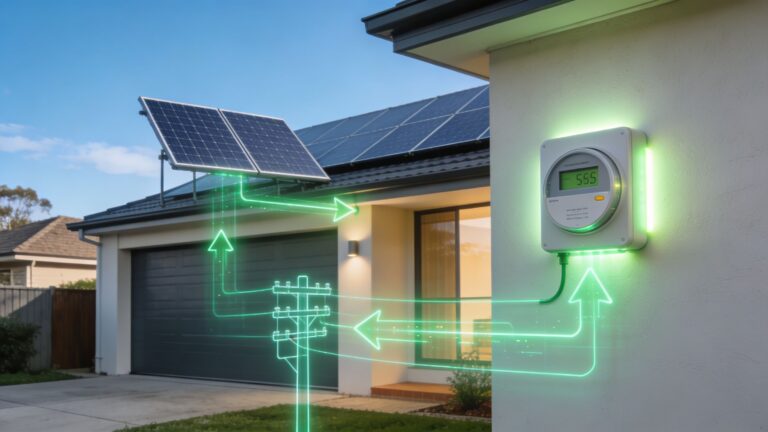
A simple visual on integrated home energy helps make the point:
The strongest properties don't treat natural light sources, solar PV and storage as separate upgrades. They treat them as one coordinated system that cuts waste before adding capacity.
A Brighter Future for Your Home and Your Wallet
Natural light sources are still one of the most underused assets in NSW buildings. Not because people don't like daylight, but because many properties handle it badly. They let in too much heat, not enough usable light, or the wrong kind of light for the room.
The better question for modern buildings isn't how to get more daylight. It's how to get the right daylight with the right level of control. As this guide to natural light evaluation makes clear, quality and control matter more than quantity when glare and heat gain enter the picture.
What smart properties do differently
The buildings that perform well usually get a few fundamentals right:
- They match daylight to room use: Workspaces, living areas and circulation zones each need a different approach.
- They control heat, not just brightness: Shading, glazing choices and ventilation matter as much as the opening itself.
- They plan roof assets together: Skylights, solar panels, batteries and ventilation work best when they're considered as one system.
That's the practical value of daylight. It lowers dependence on artificial lighting, improves how rooms feel to occupy and gives your solar production more room to do useful work elsewhere.
If you're serious about cutting energy waste, don't start with gadgets. Start with the building. Fix how it uses natural light, then size the energy system around a property that already performs better.
If you want a practical assessment of how daylighting, roof ventilation, solar panels, battery storage and EV charging can work together on your property, talk to Interactive Solar. A joined-up plan will usually outperform piecemeal upgrades, especially when roof space, comfort and daytime energy use all need to be balanced.
Make Interactive Solar a preferred source in Google
One click tells Google to surface our articles more often in Top Stories, AI Overviews and AI Mode.