Roof Ventilator Fan: Your NSW Home Cooling & Energy Guide
You're probably here because your home feels wrong in summer.
The air con is on. The downstairs area is manageable. Then you walk into an upstairs bedroom, hallway, or study and the heat feels like it's radiating from the ceiling. Even after sunset, the house hangs onto that warmth. That usually points to one overlooked problem. Your roof space is storing heat all day, then feeding it back into the rooms below.
A roof ventilator fan doesn't replace insulation, solar, or efficient air conditioning. It supports all of them. In NSW homes, especially with dark roofs, low afternoon shade, or hot upper floors, roof ventilation is often the missing link between “we've upgraded the house” and “the house feels better to live in”.
Why Your Home Still Feels Hot in Summer
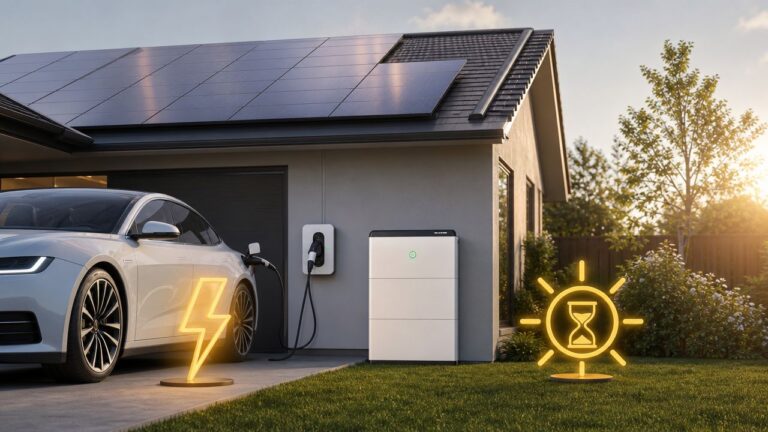
It is 7 pm, the solar has done a full day's work, and the battery is charged. Yet the upstairs bedroom still feels stuffy, the ceiling is warm, and the air conditioner keeps cycling longer than you expect.

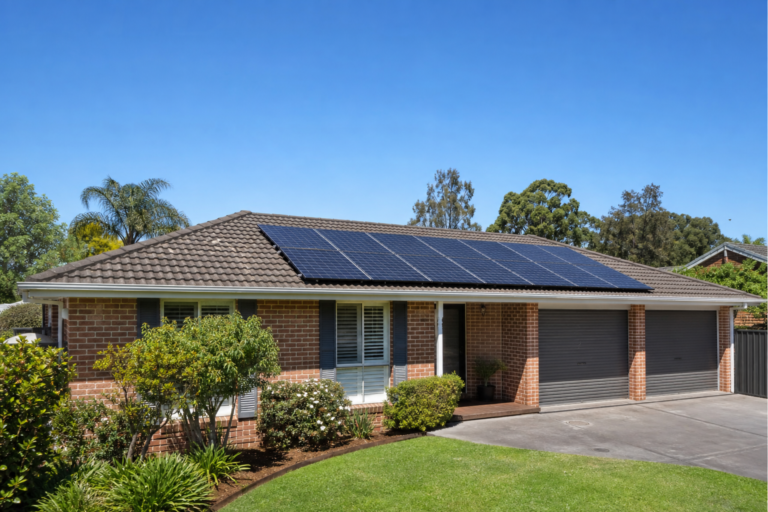
That pattern is common across Sydney and NSW homes, especially on houses with dark roofing, limited afternoon shade, or second-storey rooms. The roof absorbs hours of sun, the roof cavity holds that heat, and the ceiling below keeps passing part of it back into the home well into the evening. By that stage, your cooling system is not just handling outdoor heat. It is also working against heat stored above your head.
The problem often sits in the roof space
Homeowners often focus on the room that feels uncomfortable. Fair enough. That is where you notice the problem. But in many homes, the source is the air trapped in the roof cavity, not the bedroom, hallway, or study itself.
Once that space heats up, the ceiling becomes a steady path for heat to move downward. Good insulation slows that transfer. It does not stop the roof space from becoming hot in the first place. That distinction matters if you want the house to feel better, not just test better on paper.
Why this gets overlooked
Air conditioning gets the attention because you can hear it running. Solar gets the attention because you can see the panels and the savings. Roof cavity heat is quieter, so it often gets missed.
I see this in homes that already have decent upgrades in place. The owners have added solar, improved insulation, maybe even installed a battery, but the house still feels harder to cool than it should. In that situation, trapped roof heat can be the missing piece. It forces the air conditioner to run longer in the late afternoon and evening, right when families want comfort and stored battery power to last.
A roof ventilator fan will not fix poor insulation, leaky ducts, or west-facing glass by itself. It can reduce one of the biggest hidden heat loads in the house. That makes every other efficiency upgrade work a bit harder for you, including the solar and battery system you have already paid for.
If you like comparing approaches from different climates, some of the same core principles show up in home efficiency tips for Western Washington, even though NSW heat and roof conditions are different.
How a Roof Ventilator Fan Cools Your Home
By mid-afternoon in a NSW summer, the roof space can be doing more heating than the weather outside. The sun loads the roof all day, hot air gathers under the sheeting, and that stored heat keeps pressing down on the ceiling long after the peak temperature has passed. That is why some homes still feel stubbornly warm in the evening, even with insulation and air conditioning.
A roof ventilator fan reduces that stored heat by exhausting the hottest air from the roof cavity and drawing in replacement air through eaves or other intake vents. The goal is simple. Lower the temperature sitting above your ceiling so the rooms below are under less strain.
What the fan is actually doing
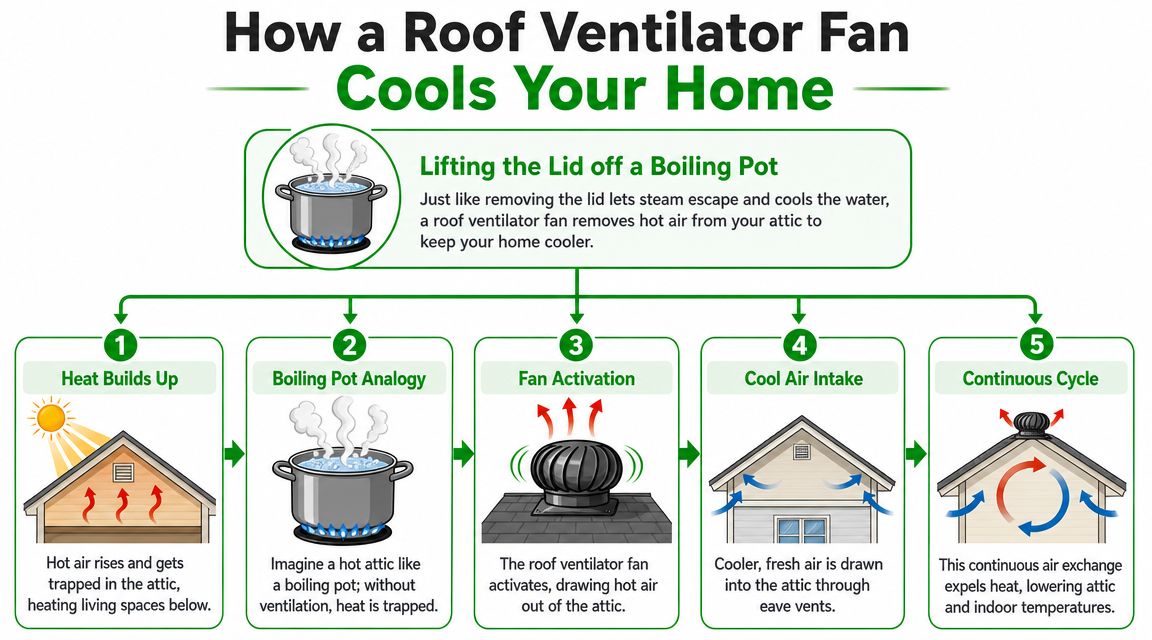
When the system is set up properly, the cooling process works like this:
- Sun heats the roof covering and raises the air temperature inside the roof space.
- Hot air collects high in the cavity, especially near the ridge.
- The fan pushes that hot air out through the exhaust point.
- Fresh replacement air enters through soffit, eave, or other intake vents.
- Heat is removed continuously instead of sitting above the ceiling and soaking into the home.
The intake side matters just as much as the fan itself. If there is not enough incoming air, the fan has to work against restriction, airflow drops, and results are disappointing.
Ventilation and insulation each solve a different problem
Insulation slows heat transfer into the rooms below. Ventilation lowers the temperature in the roof cavity in the first place. Used together, they usually perform better than either one on its own.
That distinction matters for energy use. A cooler roof space can reduce the load on your air conditioner in the late afternoon and early evening, which supports the same broader goal as reducing electricity bills with smarter home energy upgrades. In homes with solar and batteries, that can also help stretch solar production and stored energy further into the evening.
Good airflow depends on the full path
A ventilator fan is only one part of the system. The exhaust point, the intake area, the roof design, and the volume of the roof cavity all affect how well it works. Poorly sized fans, or fans installed without enough intake venting, often underperform even if the motor itself is fine.
Guidance from the U.S. Department of Energy on whole-house fan airflow also reinforces the same principle discussed earlier. Ventilation performance depends heavily on having enough vent area and a clear path for air to move. The practical takeaway is straightforward. A roof ventilator fan cools your home by reducing the heat load above the ceiling, but it only does that well when the air has somewhere to enter and somewhere to exit.
Choosing Your Ventilator Passive vs Powered Fans
Not all roof ventilation works the same way. The broad categories are passive whirlybirds, mains-powered fans, and solar-powered fans. Each has a place. The right choice depends on how much control you want, how hot your roof space gets, and whether you want ventilation to be part of a larger energy strategy.
Historically, roof ventilation moved from simple wind-driven turbines to powered and solar-assisted systems. That shift reflects the move toward lower-energy building services. General industry coverage of attic fans also notes that modern ENERGY STAR certified ventilation fans with lighting use 70% less energy on average than standard models in that U.S. category, which highlights the wider efficiency direction of modern fan technology in general, even though it's not an Australian product comparison. That evolution is outlined in this attic fan overview.
Roof Ventilator Fan Comparison
| Feature | Passive Whirlybird | Mains-Powered Fan | Solar-Powered Fan |
|---|---|---|---|
| How it works | Wind and thermal movement spin the vent | Electric motor drives active exhaust | Solar panel powers active exhaust |
| Performance on still hot days | Limited | Reliable if correctly sized | Strong during sunny periods when roof heat is highest |
| Control options | Minimal | Can be paired with thermostat or timer | Often chosen for daylight-linked operation, sometimes with controls depending on model |
| Running cost | No direct power use | Uses household electricity | Uses solar energy at point of operation |
| Best fit | Basic passive assistance | Homes needing active, controllable extraction | Homes focused on comfort plus solar self-consumption |
Passive whirlybirds
Whirlybirds are familiar on Australian roofs for a reason. They're simple, proven, and can improve airflow compared with having no active exhaust at all.
But they rely on wind and temperature difference. That means their output isn't consistent. On the exact days people complain about roof heat, still and baking hot afternoons, passive ventilation can be less convincing.
Mains-powered fans
A mains-powered roof ventilator fan gives you active extraction regardless of whether there's any breeze. That's a big step up in performance and predictability.
The trade-off is obvious. It uses electricity. If the fan is poorly sized or runs when it doesn't need to, the efficiency story weakens.
Solar-powered fans
For many NSW homes, solar-powered units are the most logical modern option. They tend to work hardest when the sun is strongest, which is when roof-space heat is worst.
That timing is the attraction. You're attacking the heat load at the point it forms, instead of waiting until the indoor temperature has already become uncomfortable.
What usually works best
If the goal is meaningful summer heat relief, a powered fan generally outperforms a passive one. If the goal is to support a solar-powered home, a solar-assisted roof ventilator fan often makes the most sense.
A good buying approach is to ask these questions:
- Do you want predictable extraction? If yes, passive-only options may feel underwhelming.
- Do you want control? Thermostats and timers matter when you're trying to align comfort with energy use.
- Is the house already solar-equipped? If yes, roof ventilation can become part of a broader plan to cut cooling demand.
For homeowners already reviewing bigger household energy improvements, this guide on ways to reduce electricity bills helps place roof ventilation in the wider picture.
The Real Benefits for Your Comfort and Energy Bills
Walk into a two-storey home after a hot NSW afternoon and the pattern is familiar. The living area might be manageable, but the rooms under the roof still hold heat well into the evening. A well-chosen roof ventilator fan helps break that cycle by reducing the heat sitting above the ceiling.
The comfort gain shows up first in how the house settles down after sunset. Bedrooms under the roofline often feel less stuffy, and the ceiling stops acting like a slow-release heat source. In homes with kids' rooms, studies, or upstairs hallways baking through summer, that change is noticeable.
Results still vary from house to house. Roof colour, insulation quality, ceiling penetrations, roof shape, and intake airflow all affect how much relief you get. I tell homeowners to expect improvement, not miracles. If the ceiling insulation is poor or the roof space cannot draw in enough replacement air, ventilation alone will not solve everything.
Comfort and cooling demand improve together
Once the roof cavity runs cooler, the air conditioner is not fighting the same heat load from above. That usually means the system can pull rooms back to set temperature with less effort, especially in the late afternoon and early evening when heat has built up for hours.
That matters for running costs, but it also matters for solar homes.
If cooling demand drops during sunny parts of the day, more of your solar generation can go to the rest of the house or into the battery instead of being soaked up by constant air conditioning. That is the part many ventilation guides miss. Roof ventilation is not just a comfort upgrade. It can help the whole home energy system work more efficiently.
A better roof space supports wider electrification
Homes perform best when the building shell and the appliances work together. Cutting heat at the roof level supports whatever efficient equipment you install next, whether that is a better air conditioner, improved insulation, or heat pump systems for Australian homes.
The trade-off is straightforward. A powered unit that is badly sized, noisy, or poorly controlled can chew through its own value. A good system reduces heat load without adding unnecessary power use, which is why product choice and setup matter just as much as the fan itself.
How to Size a Roof Ventilator Fan Correctly
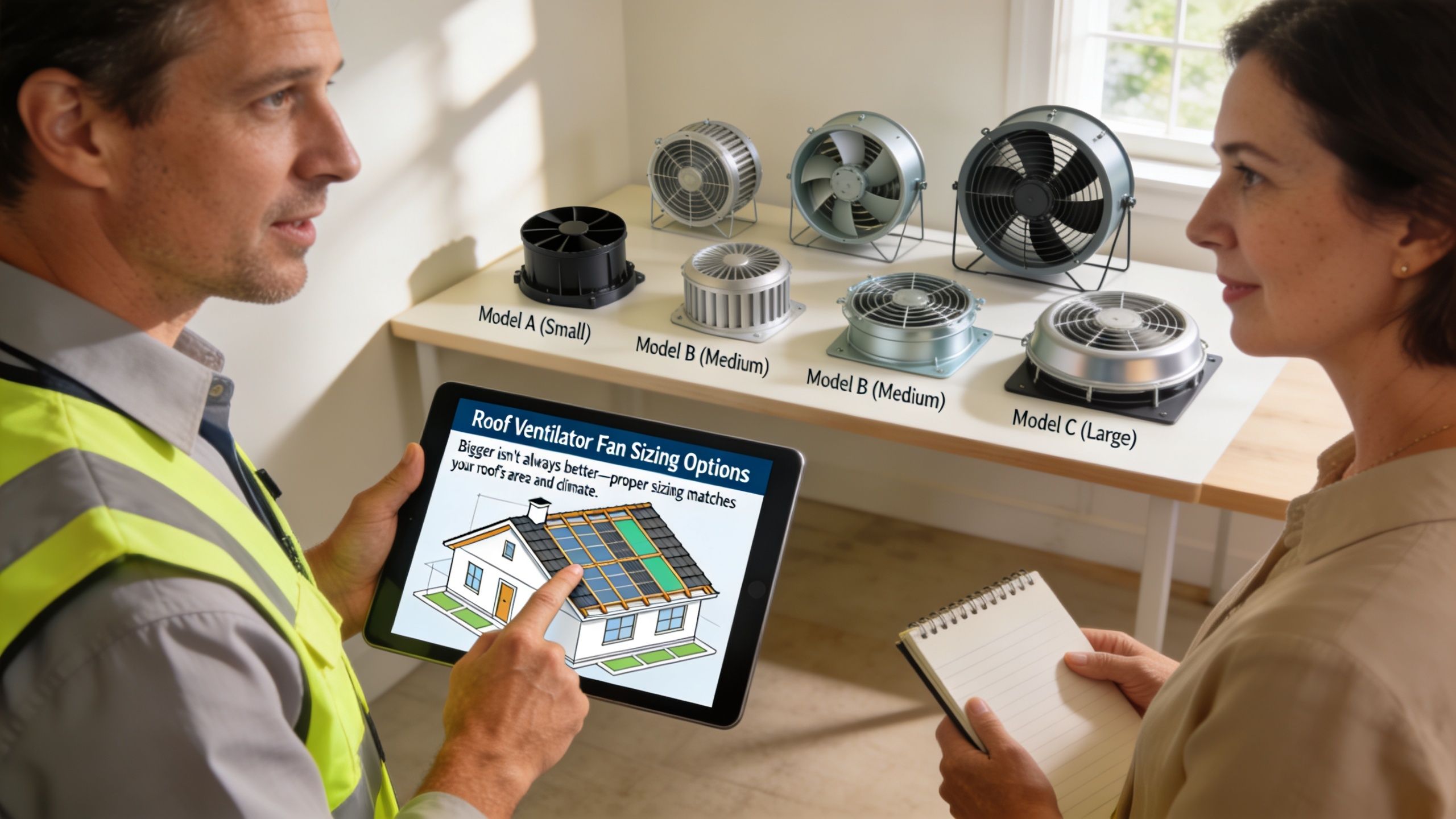
A roof ventilator fan should never be chosen by “that one looks powerful enough”. That's how you end up with noisy, disappointing installations.
Sizing is about airflow, not just motor size. In trade terms, that usually means CFM or CMM, which are airflow measurements. The fan has to move enough air for the roof space and the resistance of the system it's connected to.
Bigger isn't automatically better
Commercial roof ventilators available in the Australian market show just how wide the performance range can be. Hartzell's hooded roof ventilator is rated from 2,350 to 90,300 CFM at free air on intake and 1,375 to 88,000 CFM at free air on exhaust, while 18 to 72 inch units span 3,220 to 96,700 CFM on intake and 2,970 to 88,200 CFM on exhaust, according to the manufacturer's hooded roof ventilator specifications.
That doesn't mean a house needs industrial airflow. It does show something important. Free-air numbers are not the same as delivered performance on your roof.
What a professional looks at
Sizing should account for the actual roof and not just the fan brochure.
A proper assessment usually considers:
- Roof cavity volume. Length, width, and average height all affect how much hot air needs to be exchanged.
- Roof geometry. Steeper or more complex roofs can change how heat collects and how air moves.
- Intake availability. A fan can't exhaust efficiently if soffit or eave intake is poor.
- Static resistance. Hoods, ducts, grilles, and roof penetrations all reduce real airflow compared with free-air ratings.
- Roof material and colour. Dark surfaces and some metal roofs can drive stronger heat build-up.
- Use pattern. A home occupied through the day may need a different control strategy from one that's empty until evening.
What goes wrong with bad sizing
An undersized fan won't extract enough heat. It runs, but the roof space still stores too much hot air.
An oversized fan can create different problems. It may waste energy, create more noise, and pull harder against limited intake instead of delivering better results.
The right fan is the one that matches the roof's resistance curve and intake path, not the one with the biggest headline airflow number.
Ask these questions before you buy
Use these as a practical filter when comparing quotes:
- How was the fan sized for my roof cavity?
- Was intake vent area checked, not just exhaust?
- Is the quoted airflow a free-air figure or expected installed performance?
- Will the roof type and pitch affect output or product choice?
- How will the unit be controlled in summer?
If you want a closer look at the home-specific side of this topic, this page on roof ventilation for Australian homes is a useful reference point.
NSW Installation and Compliance Essentials
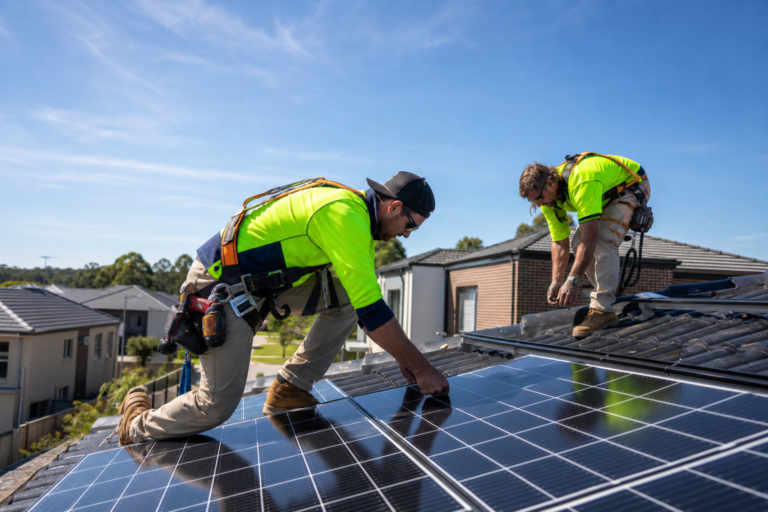
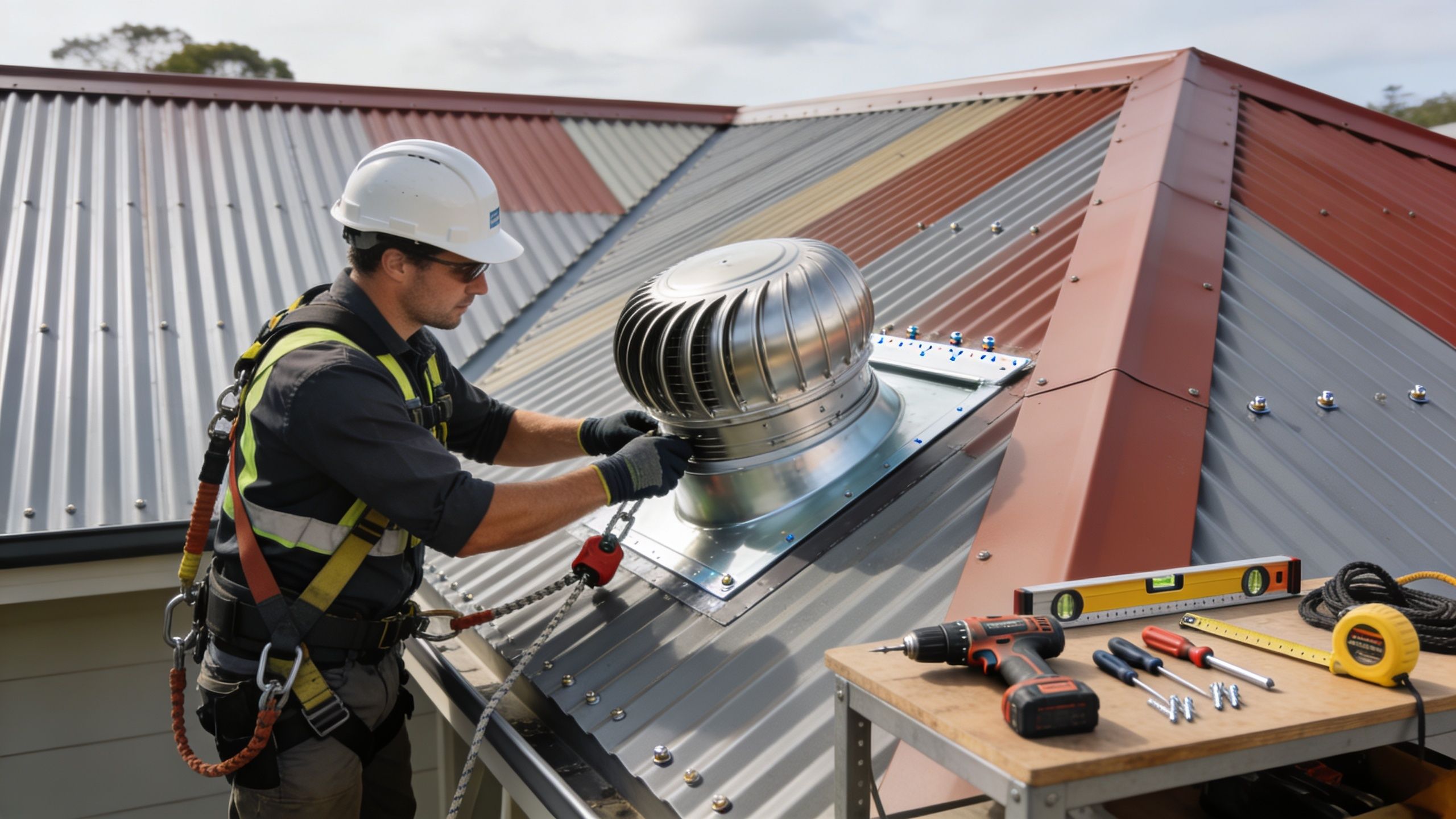
A roof ventilator fan only performs well if the installation is sound. In NSW, that means treating the job as more than a simple roof penetration.
Any powered unit needs the electrical side handled correctly. That's absolutely essential. Safety, compliance, weather sealing, and airflow balance all matter just as much as the fan itself.
Balanced airflow is the foundation
For Australian homes, especially in NSW with mixed roof designs, balanced ventilation is key. Installers often aim for roughly a 40 to 50% split between exhaust and intake, and some roof vents are only suitable for specific roof pitches such as 3/12 to 12/12, as outlined in this Australian guidance on roof fan angles and ventilation balance.
That matters because a strong exhaust fan without enough intake can create negative pressure. Instead of drawing cooler external air through the intended path, the system may start pulling conditioned air from the house below.
Roof type changes the installation method
A tile roof, a Colorbond roof, and a low-slope metal roof don't get the same treatment.
Installers need to think about:
- Flashing and waterproofing that suit the roof profile
- Wind exposure, especially on open or high-up sites
- Corrosion resistance for coastal environments
- Pitch compatibility so the chosen unit performs as intended
- Location on the roof so discharge is effective and doesn't create avoidable recirculation
Compliance and workmanship matter
A clean installation should look intentional from the outside and unobtrusive from inside the roof cavity. Wiring should be compliant. Penetrations should be sealed properly. Intake venting should be assessed, not guessed.
Roof ventilation is not just a fan install. It's a roofing, airflow, and electrical job combined.
Homeowners researching broader energy improvements in NSW often also look into NSW solar rebates and related government solar information at the same time, because ventilation upgrades are often part of a wider home energy plan.
Pairing Ventilation with Solar Panels and Batteries
At this point, a roof ventilator fan becomes more than a comfort upgrade.
In homes with solar PV, the hottest roof-space conditions usually arrive during the same part of the day that solar generation is strongest. That makes roof ventilation a natural partner to solar. Instead of letting that heat build up and force the air conditioner to work harder, you remove part of the load while the sun is available.
Why the pairing works
A key question for Australian homeowners is whether a roof ventilator fan helps or hinders a home with solar PV. The useful answer is that, by reducing cooling loads during peak sun hours, roof ventilation allows solar energy to be used for other purposes or stored in a battery, improving self-consumption and reducing reliance on the grid during peak-demand tariffs, as discussed in this guide to solar-powered attic ventilation and roof venting strategy.
That's the system-level benefit. You're not only cooling the roof space. You're making it easier for your solar production to go further inside the home.
Where batteries come in
If daytime cooling demand drops, more solar energy can stay available for other appliances or be stored for evening use. That matters in homes trying to reduce evening grid dependence.
For readers who like comparing how other hot-climate homeowners think about this setup, this South Florida homeowner's guide to solar vents is a helpful outside-market perspective.
If battery storage is already on your shortlist, it's worth understanding how home solar batteries interact with daytime self-consumption, cooling demand, and evening comfort.
If you want practical advice on whether a roof ventilator fan makes sense for your home, Interactive Solar can assess your roof, cooling load, solar setup, and battery goals as one complete energy picture. That's the difference between adding another product and choosing an upgrade that actually works with the rest of your home.
Make Interactive Solar a preferred source in Google
One click tells Google to surface our articles more often in Top Stories, AI Overviews and AI Mode.