Solar Pool Heaters Price Guide for NSW 2026
Last updated:
A lot of Sydney pool owners end up in the same spot. They've spent good money on the pool, the paving, the fencing, and the landscaping, then realise the water only feels inviting for a short part of the year. The pool looks fantastic, but for much of the season it's too cold to enjoy properly.
That's usually when the search for solar pool heaters price begins. A common starting point is asking what the system costs. Fair question. But after years around solar and home energy systems in NSW, the better question is this: what is the actual investment, what affects it, and what do you get back over time?
A cheap quote can be the wrong quote if the collector area is undersized, the roof layout is awkward, or the plumbing run is handled poorly. A more complete system can cost more up front and still be the smarter buy because it delivers a longer swimming season without punishing running costs. There's a similar pattern across home energy upgrades in general, which is why it helps to understand some of the common assumptions people get wrong about solar before making any decision. This overview of common solar myths and misconceptions is worth a look if you want to cut through the noise.
Enjoy Your Pool for More Than Just a Few Months
A standard Sydney story goes like this. The kids use the pool constantly in the hottest stretch of summer. By the time school routines settle back in, the water starts cooling off, and the pool turns into something you look at more than use. Then winter arrives and it may as well be ornamental.
That frustration gets sharper when a homeowner tries a gas or electric option and sees what regular heating can do to the power bill. The comfort is there, but the ongoing cost changes how often people use the heater. They start switching it off, reducing set temperatures, or only running it before visitors come over. The system exists, but the pool still isn't comfortably usable the way they imagined.
Solar changes the conversation because it's not just about heat. It's about making the pool part of daily life for longer. Verified NSW-focused pricing data notes that for a typical 40,000 to 60,000 litre pool in Sydney, a professionally installed solar heating system with 40 to 60 square metres of collectors costs around AUD 5,000, with payback periods averaging 2.5 to 4 years due to 70 to 85% savings on traditional heating bills (HomeAdvisor solar pool heater cost guide).
What matters most: a pool heater only makes financial sense if you'll actually use the pool more often, for more of the year, without dreading the running costs.
That's why the headline price only tells part of the story. The practical value sits in how well the system suits your pool, your roof, and how your household really uses the space.
Understanding Solar Pool Heating Systems
Solar pool heating is simple in principle. Think about a black garden hose left in the sun. Water moves through it, the hose absorbs heat, and the water comes out warmer than it went in. A solar pool heating system scales up that same idea and makes it automatic.

The four parts that do the work
Most systems rely on four core components:
- Collectors on the roof absorb solar heat.
- Your existing pool pump moves water from the pool through the system.
- The filter keeps debris out of the lines and collectors.
- A controller and valve setup decide when water should go to the roof and when it should bypass it.
If the roof collectors are warmer than the pool water, the controller sends water up. If they're not, it bypasses them. Done well, the system is largely hands-off.
A lot of confusion comes from the collector type, because that choice affects both performance and the final solar pool heaters price.
Unglazed and glazed collectors
For most Sydney homes, unglazed polymer collectors are the sensible option. They're well suited to strong sun, they're straightforward, and they usually deliver the best value when the goal is extending the swimming season rather than chasing warm water through the coldest part of winter.
For homeowners who want a broader season in cooler parts of NSW, or who deal with more shade and less ideal conditions, glazed collectors can make sense. Verified data states that glazed solar pool heaters priced from AUD 3,000 to AUD 8,000 use copper tubing and tempered glass to achieve 40 to 60% higher heat delivery in diffuse light, making them suitable for cooler NSW regions, with a 25 to 30 year lifespan and 2 to 4 year return on investment by displacing up to 90% of gas heating costs (Angi solar pool heater installation cost guide).
Glazed systems aren't automatically better. They're better for the right site conditions and the right heating goals.
There's also a useful practical read on pool heating and energy savings if you're comparing how covers and heating strategies work together.
If you want a quick visual explanation of how these systems operate, this video helps:
What works best in NSW
In metro Sydney, unglazed systems usually win on value. They suit the climate, pair well with standard residential pools, and avoid paying for performance many households don't need.
Glazed systems are more specialised. They suit homes in cooler districts, properties with less-than-ideal sun exposure, or owners who want to keep the pool in use as far into the colder months as possible. The right answer isn't the fanciest system. It's the system that matches the site.
The Key Factors That Determine Your Final Price
Two homes can have similar pools and end up with very different quotes. That doesn't always mean one installer is expensive and the other is cheap. Often it means one site is simpler, or one quote leaves out things that will surface later.
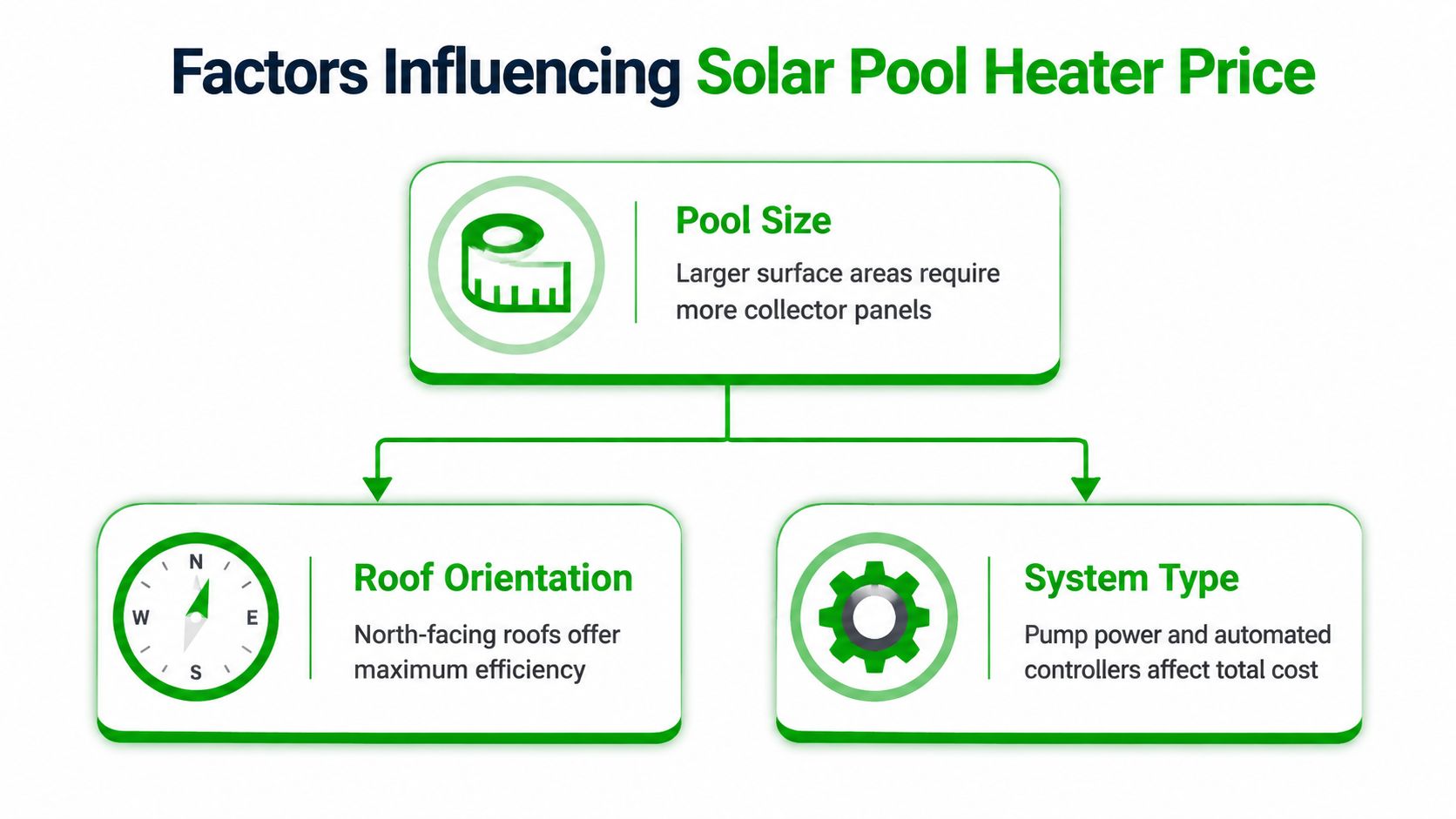
Pool size and collector area
The starting point is the pool itself. Bigger pools usually need more collector area. Freeform pools, deep pools, and pools exposed to wind can also need a more thoughtful design than a straightforward suburban rectangle.
The shortcomings of the cheapest quote often become clear. If the collector area is too small, the system may technically function but won't deliver the heating result the owner expects.
Roof shape matters more than people think
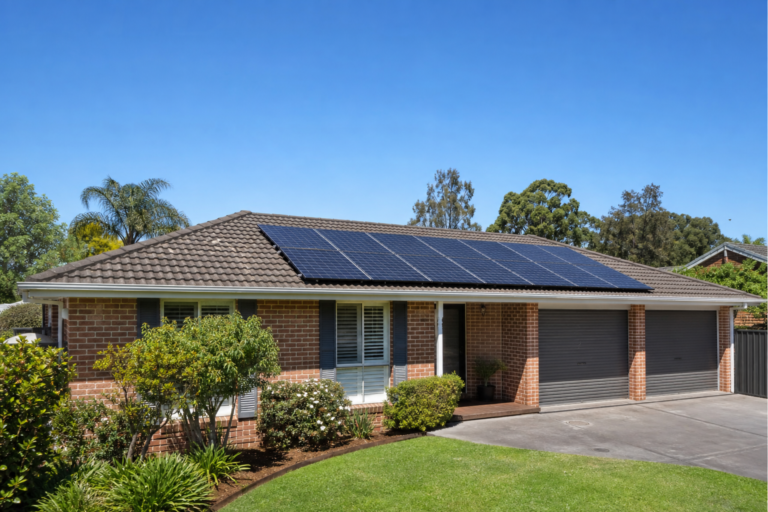
Roof space is never just roof space. The usable area depends on orientation, pitch, shading, obstacles, and how fragmented the roof planes are.
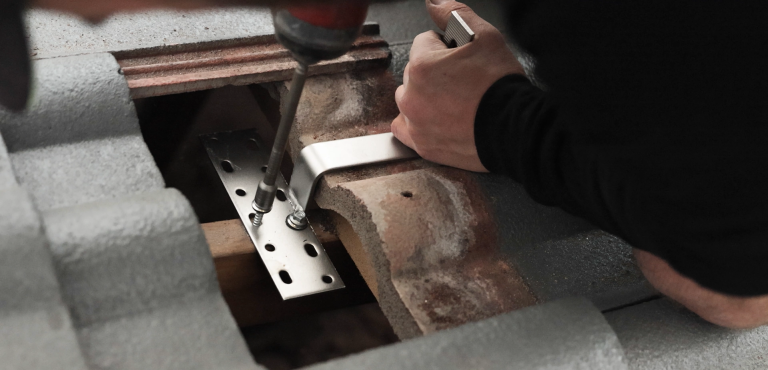
A simple metal roof with clean access is easier to work on than a steep tiled roof with hips, valleys, skylights, and limited contiguous space. That affects labour time, mounting approach, pipe routing, and the neatness of the final result. A tidy install on a difficult roof takes more planning and more care.
Site reality: the roof often decides whether a project is economical, not the pool.
Plumbing runs and hydraulic design
The distance between the plant equipment and the roof collectors can change the job significantly. Long runs mean more pipe, more labour, and more scope for heat loss or flow issues if the design is poor.
Some pools also need adjustments to pumping and control strategy. Not every setup can just be “connected in” and expected to perform properly. Water has to move through the collectors at the right rate, and the return path has to be thought through properly.
Equipment quality and control gear
There's a real difference between basic components and a system built for reliability. Collectors, valves, sensors, actuators, controllers, and plumbing hardware all affect how long the system lasts and how often it needs attention.
A quote can look attractive because it uses lighter-duty parts or omits automation that should be included. Homeowners then end up manually managing flow or paying later to fix weak points.
A practical trick when reviewing home-upgrade quotes is to compare line items the same way you would with any major appliance purchase. Even broad retail reference points can help you spot whether one contractor is vague where another is transparent. Something as ordinary as browsing an Appliances Online coupon page reminds you how much final value depends on what's included, not just the sticker figure.
Labour and compliance
Good installation costs money because safe roof work, correct hydraulic setup, and clean electrical integration take skilled people. If a team is rushing, subcontracting loosely, or skipping detail, the system may still get installed, but it won't necessarily be installed well.
For households also weighing alternatives, it's worth comparing solar against pool heat pumps for NSW conditions before committing. Heat pumps suit some sites, but the economics and operating profile are different.
Permits and access issues
Some homes have easy access and straightforward equipment pads. Others have awkward side passages, limited roof access, heritage considerations, or local requirements that add complexity.
That's why one all-in figure for solar pool heaters price is less useful than many people think. The honest answer depends on the site. The better the quote, the more clearly it explains what's driving the final number.
Worked Examples by Common Sydney Pool Sizes
The easiest way to judge solar pool heaters price is to picture your own backyard. Most Sydney projects fall into a few familiar patterns.
Small plunge pool in an inner-city terrace
These pools usually have one major limitation. Roof space is tight.
On terraces and compact infill homes, the challenge isn't interest in solar heating. It's collector placement, visual impact, and getting enough usable area on the roof without clashing with skylights, parapets, or other services. In this setting, system design matters more than bargain shopping. A neat, compact layout can still work well, but there's less room for error.
What usually works:
- Smart collector placement on the best roof plane available
- Good automation so the smaller system captures heat efficiently
- Realistic expectations about season extension rather than peak-winter swimming
Standard family pool in the suburbs
This is the most common Sydney scenario. A rectangular or near-rectangular inground pool, decent roof space, and a household that wants regular swimming through more of the year.
These jobs are often the sweet spot for solar. There's usually enough area for a properly sized unglazed system, the plumbing run is manageable, and the outcome is predictable if the roof gets solid sun. In such cases, solar tends to feel less like a luxury and more like a practical household upgrade.
A standard suburban pool is often the easiest project to get right, which is one reason solar pool heating has become such a sensible option around Sydney.
Large lifestyle pool on a bigger block
Large freeform pools and feature pools look fantastic, but they can be more demanding to heat. More water, more surface area, and more exposure usually mean a bigger collector array and more care around circulation.
These projects can still stack up very well, but they punish undersized design. Sometimes the roof area is generous, which helps. Other times the distance from the equipment area to the collector zone creates extra complexity, especially on wide properties or split-level homes.
The right approach for larger pools usually includes:
- Accurate sizing, not guesswork
- Attention to pipe runs so the hydraulic side doesn't become messy or inefficient
- A realistic use case, because some owners want broad seasonal comfort while others want the warmest possible water for entertaining
Bigger pool doesn't mean solar won't work. It means the design has to be honest.
Cost and Savings Comparison Solar vs Traditional Heaters
Homeowners usually compare three options. Solar pool heating, electric heat pumps, and gas heaters. The mistake is focusing only on what each one costs to install. The better comparison is how each behaves over years of use.
Verified NSW data shows that solar pool heaters operate at just AUD 0.20 to AUD 0.50 daily, compared with AUD 4 to 6 for an electric heat pump, and that this difference, together with Sydney's 2,400+ annual sunshine hours, can deliver 25 to 35% annual return on investment while helping offset 70 to 100% of pool-related electricity bills (Celestial Solar cost guide).
Pool Heating Comparison Solar vs Heat Pump vs Gas
| Feature | Solar Pool Heating | Electric Heat Pump | Gas Heater |
|---|---|---|---|
| Upfront investment | Site-dependent. Strong value where roof space and sun are good | Often attractive for all-weather control, but equipment and electrical requirements can add up | Often chosen for fast heating, but fuel infrastructure can complicate the job |
| Running cost | Very low daily operating cost in NSW conditions, based on verified data above | Higher daily operating cost than solar | Usually the most painful ongoing cost in regular use |
| Heating style | Best for steady solar gain over the season | Controlled heating, but depends on air conditions and electricity use | Fast heat on demand |
| Best fit | Households wanting lower ownership cost over time | Owners who prioritise active temperature control | Owners who want quick warm-ups and accept fuel bills |
| Maintenance profile | Generally simple when designed and installed properly | Mechanical unit with moving parts and electrical components | Burner-based system with fuel-related wear and servicing needs |
| Long-term bill exposure | Lower exposure to rising power costs | More exposed to electricity price pressure | Exposed to gas price pressure |
| Environmental impact | Cleaner operating profile | Better than gas in some setups, but still power-dependent | Highest emissions profile of the three |
What this means in the real world
Gas is about speed. If you want to heat the pool quickly for a weekend event, gas does that job well. The downside is obvious once regular use starts. People often love gas performance and hate the bill that follows.
Heat pumps sit in the middle. They suit some households, especially when owners want a more controlled, all-purpose heating option and are comfortable with the electrical running cost. But they still rely on purchased energy every day they're doing the work.
Solar works differently. It rewards consistency, good design, and realistic use patterns. If your household wants to swim through a longer season without second-guessing the meter, solar is usually the better long game.
For people comparing broader home-energy payback, this 2026 guide to solar ROI is a useful outside reference because it frames return in ownership terms rather than just purchase price.
The bigger financial picture
A key advantage of solar isn't that it wins every category. It doesn't. Gas heats faster. Heat pumps can offer more direct control. Solar wins because it usually changes the economics of using the pool.
That matters for the same reason households install rooftop solar in the first place. They want comfort and control without feeding rising energy bills forever. If cutting ongoing household costs is already on your mind, this guide on how to reduce electricity bills ties in well with the same way of thinking.
The best pool heater isn't the one with the most aggressive sales pitch. It's the one you'll still be happy you chose years later.
Maximising Your Return with NSW Rebates and Incentives
A lot of homeowners still assume the quoted amount is the amount they'll pay. That's not always true. Incentives can materially change the cost of a solar pool heating system in NSW.
How STCs affect the real investment
Verified data notes that government incentives like STCs can offset 20 to 40% of a solar pool heater's cost in Australia and that, in NSW, this can reduce the effective cost to AUD 2,500 to AUD 6,000 with a 3 to 5 year payback period in sunny conditions (US Department of Energy solar swimming pool heater page).
In practice, homeowners usually experience this as an upfront reduction arranged through the installer, not as some later windfall that turns up by magic. That distinction matters because it affects how you compare quotes. If one proposal accounts for incentives clearly and another doesn't, they may look further apart than they really are.
What to ask before you sign
When reviewing any proposal, ask these questions plainly:
- Are incentives already included in the quoted figure, or shown separately?
- What assumptions were used to calculate the eligible benefit?
- Is the system sizing driven by performance, or by trying to hit a lower advertised number?
- What's the expected use pattern the quote is based on?
That last point matters more than people think. A system designed around realistic household use will usually deliver stronger value than one designed to look cheap on paper.
Why local guidance helps
Rebates and certificate frameworks can be confusing when you're reading generic overseas content or broad national summaries. NSW homeowners are better served by advice that reflects local climate, local roof types, and local installation practice.
If you want the current local picture in one place, this breakdown of NSW solar rebates and government rebates for solar is a practical starting point.
The broad lesson is simple. Don't judge solar pool heaters price from the pre-incentive number alone. Judge the net investment, the expected seasonal use, and how quickly the system pays its way.
Your Next Steps for a Solar-Heated Pool in Sydney
By the time most homeowners get serious about pool heating, they already know they want more use from the pool. The core decision is which option gives them that comfort without locking them into years of high running costs. In NSW, solar usually makes the strongest case when the site suits it.
A short checklist before you request quotes
- Check the installer's credentials. You want licensed professionals, proper insurances, and a team that understands roof work, plumbing integration, and system control.
- Ask who installs the system. In-house teams usually give better consistency than loosely managed subcontractor chains.
- Look at the design logic. Ask why the collector area is sized the way it is and what assumptions were made about sun exposure.
- Review the warranty in plain English. A warranty only helps if the company will answer the phone and stand behind the work.
- Pay attention to installation quality. Pipe runs, roof penetrations, controller placement, and finishing details all matter over the long term.
A good quote should feel specific, not vague. It should reflect your roof, your pool, your usage, and your priorities. It should also explain the trade-offs clearly. If a contractor can't explain why the system is designed the way it is, keep looking.
For homeowners who care about workmanship, this guide on why installation quality matters is worth reading before you commit.
A well-designed solar pool heating system should feel boring once it's installed. It should just work, quietly and reliably, season after season.
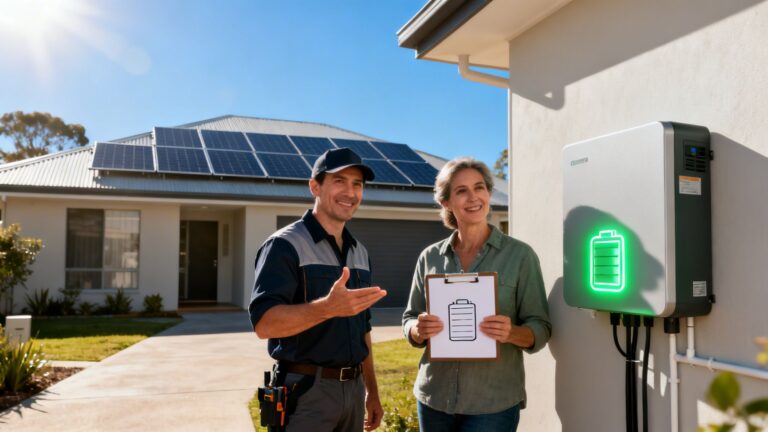
If you want clear advice on whether solar pool heating makes sense for your home, speak with Interactive Solar. Their team can assess your roof, pool layout, and energy goals, then give you an obligation-free recommendation based on what will work on your property, not what looks good in a generic brochure.
Make Interactive Solar a preferred source in Google
One click tells Google to surface our articles more often in Top Stories, AI Overviews and AI Mode.