Boost ROI: Commercial Solar Installation Melbourne 2026
Last updated:
A lot of Melbourne businesses start looking at solar after another sharp bill lands, but that's rarely the best reason to buy. The better reason is control. If your site is adding EV chargers, switching gas loads to electric equipment, extending operating hours, or trying to reduce exposure to tariff volatility, solar becomes part of a broader operating strategy.
That's why commercial solar installation in Melbourne should be treated as an asset planning exercise, not a panel-count exercise. A system that fits today's load but ignores future electrification can undershoot. A system that chases maximum roof coverage without checking export constraints can disappoint just as badly.
Strategic Planning for Your Commercial Solar Project
Australia's rooftop solar market is no longer early-stage. By the end of 2024, Australia had more than 4 million rooftop photovoltaic systems in operation, with total rooftop PV capacity above 25.3 GW, and rooftop solar generated 12.4% of Australia's electricity in 2024 according to the Australian Energy Council solar report. For a Melbourne business owner, that matters because you're not investing into an unproven category. You're entering a mature distributed-energy market with established equipment, installers, connection processes, and operating norms.
The mistake is assuming market maturity makes project planning simple. It doesn't. Commercial sites are more constrained than most owners expect. Roof structure, switchboard capacity, shading, interval demand shape, and export rules can change the right answer quickly.
Start with load, not the roof
The strongest commercial projects begin with at least 12 months of bills and interval data. That tells you when the site uses power, not just how much it uses over a billing period. A warehouse with steady daytime refrigeration behaves differently from an office with air-conditioning peaks. A factory with process equipment cycling through the day needs a different array size again.
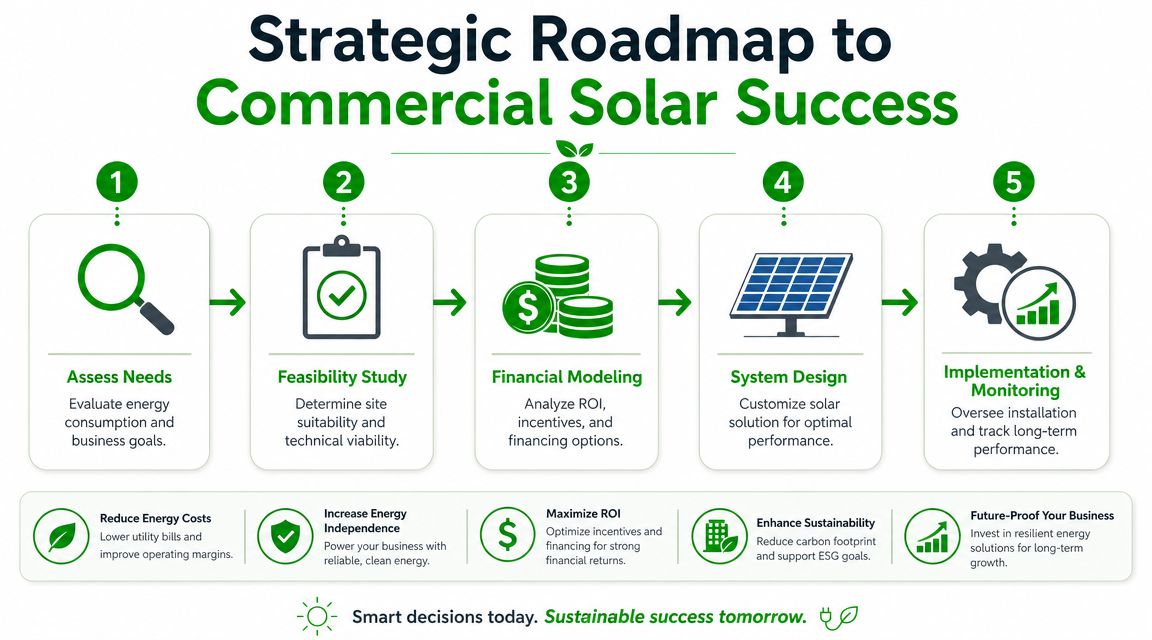
Use a feasibility workflow that follows this order:
- Demand analysis: Review interval data across a full year to find your daytime baseload and seasonal variation.
- Site inspection: Check roof condition, structural suitability, safe access, and switchboard configuration.
- Shading and orientation modelling: Nearby buildings, plant, parapets, and rooftop services can affect output and string design.
- Export screening: Confirm what the network may allow before locking in system size.
- Yield simulation: Model generation using local irradiance, then compare it against real site demand.
That workflow matters because poor early assessment creates expensive problems later. An industry article citing the Clean Energy Council reports that around 20% of solar installations suffer performance issues due to poor site assessments, as noted in this industry guidance on solar installation mistakes.
Practical rule: If an installer can size your system confidently before reviewing interval data, inspecting the roof, and checking export conditions, the proposal is probably too sales-led.
Size for self-consumption first
On many Melbourne commercial sites, the best-performing systems are not the biggest ones. They are the systems that align generation with daytime self-consumption and keep electrical losses under control. That usually means careful inverter selection, sensible string design, and realistic assumptions about how much midday solar the building can use on site.
A few planning questions usually expose whether the design is sound:
| Planning question | Why it matters |
|---|---|
| Does the site have a stable daytime load? | Higher on-site use usually protects project value better than relying on exports |
| Is the roof actually usable, not just large? | Plant, access paths, setbacks, and shading reduce effective panel area |
| Will the business electrify more loads later? | Future EV charging, heat pumps, or upgraded HVAC can justify staging capacity |
| Is the switchboard ready? | Main switchboard limits and protection upgrades can affect scope and programme |
Melbourne businesses are also making these decisions against a broader electricity-cost backdrop. If rising energy charges are part of what pushed solar onto your agenda, it's worth reviewing this guide on preparing for electricity price rises alongside your feasibility work.
The best early outcome isn't a quote. It's clarity on what your site can support, what your load profile justifies, and what future upgrades should already be factored into the design.
Navigating Melbourne's Approvals Incentives and Finance
Approvals are where many solid projects lose momentum. Not because the project is wrong, but because commercial owners underestimate how many parties sit between concept and energisation. For a Melbourne site, three streams usually matter most. Council requirements, network connection approval, and the finance structure.
The approval path is rarely one form
Some buildings can move with limited friction. Others trigger more review because of heritage overlays, visible rooflines, engineering concerns, or site-specific building conditions. A commercial roof with existing services, plant platforms, or membrane issues may also require extra documentation before anyone should sign off on installation.

The network side is often more consequential than council paperwork. A major issue in commercial solar installation in Melbourne is grid export limits and connection approvals. Network operators can impose export limits or require technical studies for larger commercial PV systems, and that can materially change both system sizing and payback, as outlined in this discussion of Melbourne commercial solar connection complexity.
That's why “How big can I go?” is usually the wrong first question. A better question is, “What operating mode will the network approve for this site?”
Export limits change the business case
Export limits matter because many owners assume surplus energy will flow to the grid. Sometimes it will. Sometimes it won't. Sometimes the site may be approved with restricted export, flexible export settings, or additional technical requirements.
Here's the practical effect:
- If export is limited, oversizing the array can lead to clipped production during strong solar hours.
- If studies are required, project timelines can stretch and design assumptions may need to change.
- If self-consumption is strong, a non-export or low-export design can still make good operational sense.
- If future loads are coming, staging the system can outperform one oversized first install.
A solar design that ignores export conditions isn't finished. It's just drawn.
Incentives and finance only work if the design works
Incentives can improve a project. They can't rescue a poor design. The same goes for finance. Whether a business uses internal capital, equipment finance, a chattel mortgage, lease-style structure, or a power purchase arrangement, the underlying questions stay the same. Does the system match the site? Does the approval pathway hold up? Does the operating profile support the model?
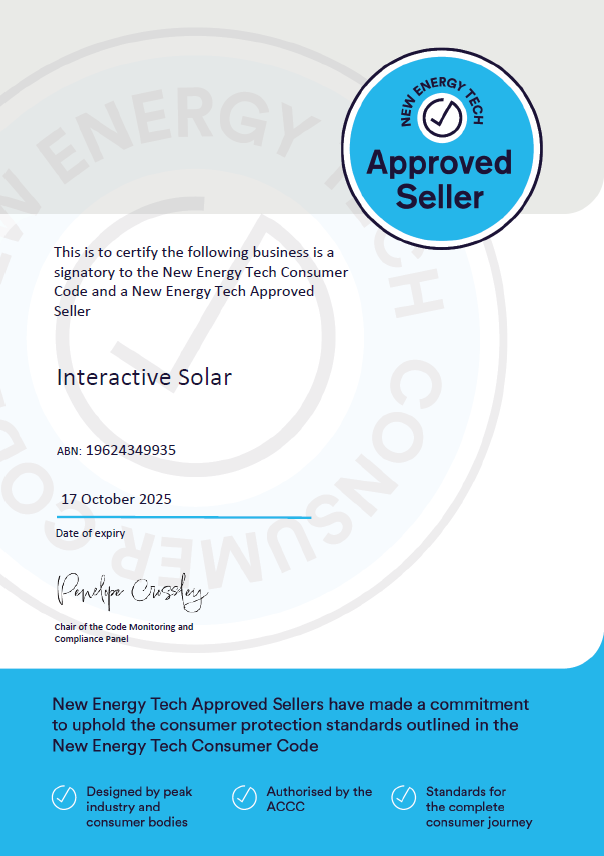
Consumer protections also matter when you're comparing offers and contract terms. This overview of the New Energy Tech Consumer Code is a useful reference for understanding what transparent conduct should look like when dealing with solar providers.
For most business owners, the easiest way to de-risk approvals and finance is to ask your installer for one joined-up answer, not three separate ones. They should be able to explain the likely approval path, the export scenario they've designed around, and how the system's operating assumptions support the proposed funding structure.
Selecting Your Commercial Solar Installation Partner
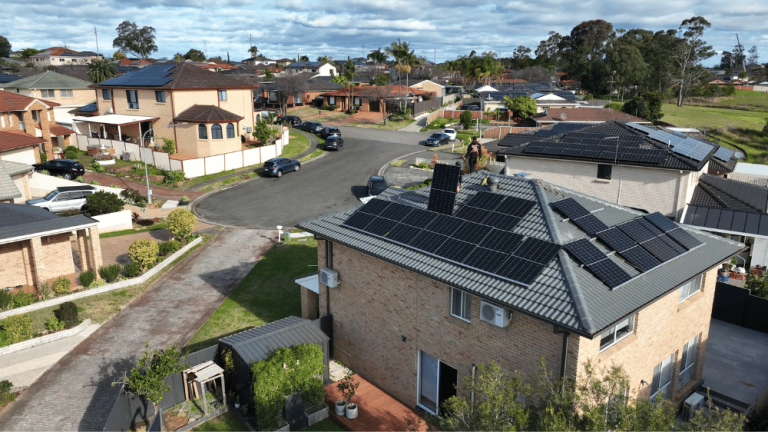
Melbourne is a busy solar market. Under the Victorian Solar Homes Program reporting, 65.9% of solar installations were in metropolitan Melbourne, according to the Victorian Solar Homes Program reporting data. That concentration is good news because it means local experience is deep. It also means there are plenty of providers competing for your project, and not all of them deliver the same standard once contracts are signed.
The fastest way to compare installers is to stop looking at panel brands first and start looking at execution risk.
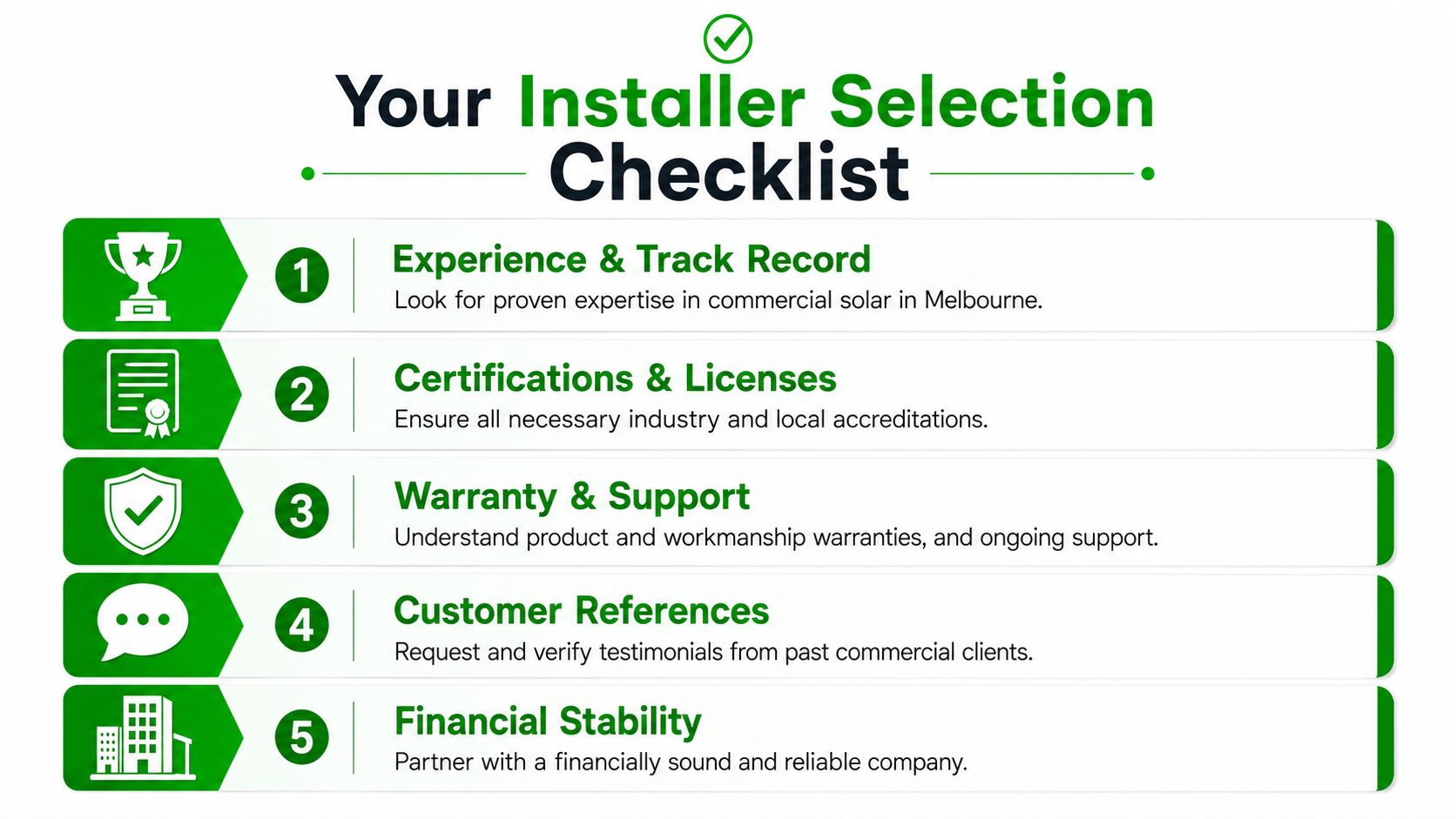
What a serious installer should show you
A credible commercial proposal should include more than a generation estimate and a layout image. At minimum, ask for:
- Site-specific assumptions: What demand profile, export condition, and roof constraints has the proposal been built around?
- Electrical scope clarity: What happens at the switchboard, and are protection or distribution upgrades included or excluded?
- Engineering detail: How are shading, access clearances, mounting zones, and equipment locations being handled?
- Commissioning and handover plan: Who tests the system, who configures monitoring, and what documents do you receive?
If the proposal is vague on exclusions, expect variation claims later.
Ask how the work is actually delivered
Commercial buyers often focus on hardware and miss the delivery model. That's risky. You want to know whether the company uses in-house licensed electricians, who supervises subcontractors if they're used, who carries responsibility for commissioning, and who responds if there's a fault after energisation.
This is also where installation quality becomes a better filter than sales polish. A provider such as Interactive Solar's commercial installation team and quality process is one example of the kind of delivery detail worth reviewing when you're comparing how companies manage workmanship, not just equipment lists.
A short video can also help you understand what a professional solar process looks like in practice.
A low quote can be expensive later
The cheapest quote often strips out the very items that protect project performance. Better installers usually spend more time on pre-install detail, switchboard review, roof access planning, commissioning, and support after handover. That work isn't glamorous, but it's where commercial solar projects either hold together or unravel.
Use this simple screening table when offers are close:
| If the installer says | Ask this follow-up |
|---|---|
| “We can maximise your roof” | How much of that output will be used on site versus exported? |
| “Approvals are straightforward” | Has the network export scenario already been assessed? |
| “Monitoring is included” | Who sets it up, who owns access, and what alerts are configured? |
| “Warranty is covered” | Product warranty, workmanship warranty, and response responsibility by whom? |
Choose the installer who can explain constraints clearly, not the one who makes them disappear in the sales meeting.
From Scaffolding to Switch-On A Project Checklist
Installation day shouldn't feel like guesswork. If the project has been designed properly, the physical works follow a disciplined sequence. The owner's job isn't to manage every cable run. It's to know what good process looks like and where delays or defects usually appear.
Before the first rail goes up
A practical benchmark for commercial solar installation in Melbourne is to prioritise measurable self-consumption and low-loss electrical architecture. Independent Australian guidance on commercial solar planning warns that many project failures come from avoidable execution errors such as inadequate site assessment, poor sizing, and weak procurement or specification control, as outlined in this commercial solar planning mistakes guide.
Before materials arrive, confirm these basics:
- Roof readiness: Roof repairs, membrane issues, corrosion, and access hazards should be addressed first.
- Site coordination: Loading zones, delivery paths, inductions, and shutdown windows need agreement before crews attend.
- Safety controls: SWMS, fall protection, exclusion zones, and emergency procedures should be documented and understood.
- Security planning: On active worksites or mixed-use properties, this guide for Melbourne construction operators is useful for thinking through site access, asset protection, and contractor movement during installation.
What happens during installation
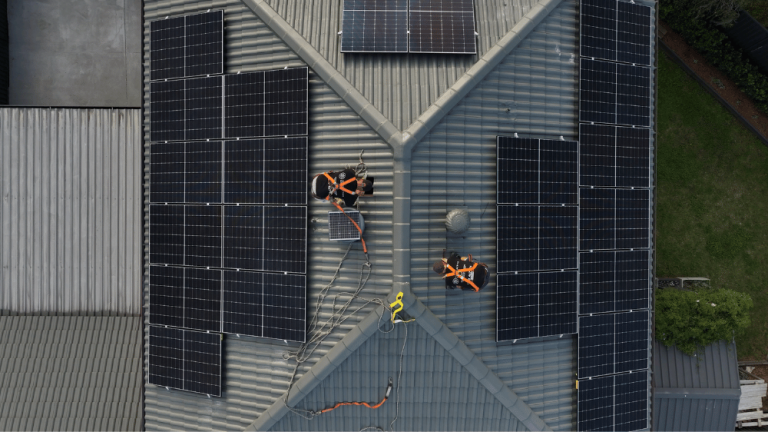
Most commercial installs move through mounting, DC works, inverter installation, AC integration, labelling, and testing. The exact sequence depends on roof type, access method, and switchboard arrangement, but the quality checkpoints are consistent.
Watch for discipline in the small things:
- Mounting set-out is consistent. Rails should respect roof structure, penetrations, drainage paths, and access clearances.
- Cable management is tidy. Unsupported cabling, poor segregation, and rushed gland work often predict larger workmanship issues.
- Inverter locations are practical. They need ventilation, service access, and protection from avoidable heat stress.
- Switchboard work is controlled. In switchboard work, commercial complexity often resides, especially if shutdowns are needed.
The expensive mistakes on commercial sites usually aren't visible from the ground. They show up later in poor access, rework, nuisance faults, or output that never matches the design intent.
Handover isn't just a switch-on moment
Commissioning should include electrical testing, verification of inverter settings, monitoring setup, and confirmation that the installed system matches approved design parameters. Don't accept a handover that ends with “you'll get the paperwork later”.
Your close-out pack should clearly identify:
| Handover item | Why you need it |
|---|---|
| As-built documentation | Confirms what was actually installed |
| Electrical certification | Shows the work has been completed and signed off properly |
| Monitoring access details | Lets your team track performance from day one |
| Warranty records | Avoids disputes if equipment fails later |
| Maintenance guidance | Sets expectations for inspection and cleaning |
A clean commissioning process is one of the best signals that the installer runs an organised commercial operation, not just a sales pipeline.
Future-Proofing Your Investment Monitoring and Maintenance
A commercial solar system doesn't stop being a project when the installers leave. It becomes an operating asset. That means the long-term value depends on how well you monitor performance, maintain equipment, and plan for the site's next electrical changes.
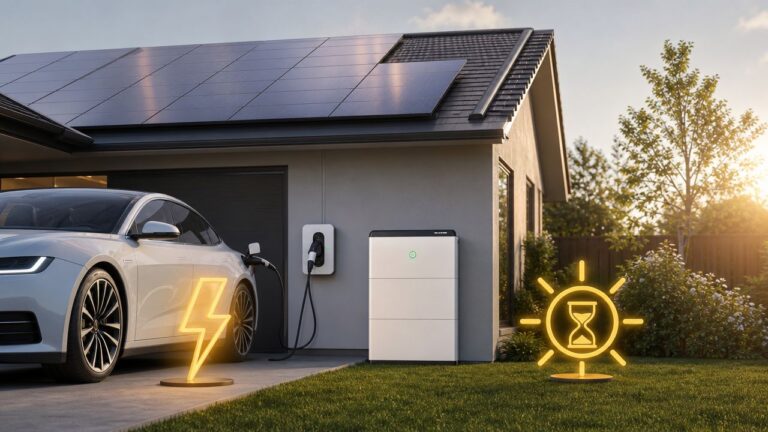
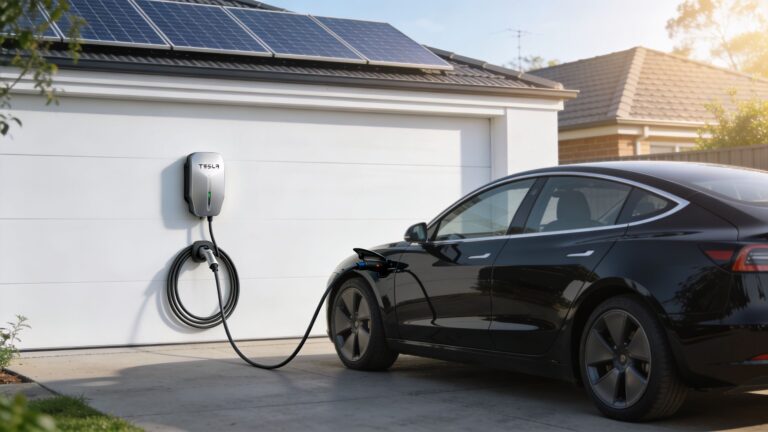
The bigger strategic shift is that solar is no longer just a standalone bill-reduction measure. The conversation is moving toward how solar supports future load growth from electrification, including EV chargers, heat pumps, and other behind-the-meter equipment, as discussed in this commercial solar and electrification planning overview.
Monitoring is your first layer of asset protection
A good monitoring platform should tell you more than daily generation totals. It should help you spot inverter faults, abnormal production dips, communication loss, and site behaviour that no longer matches the original design assumptions.
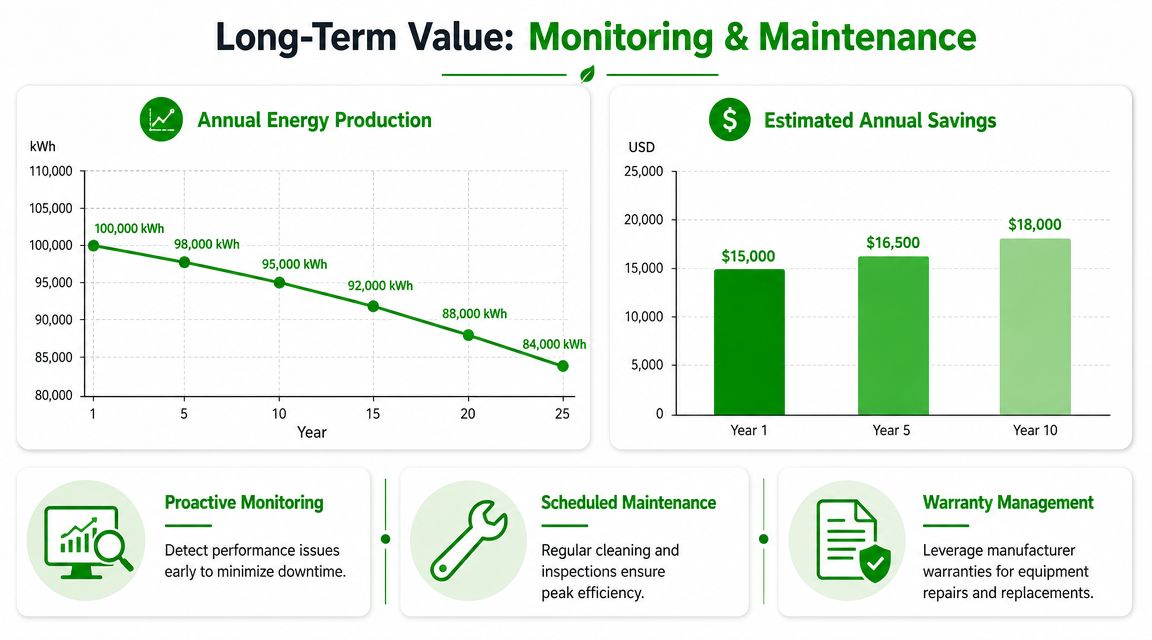
For owners managing multiple priorities, remote visibility matters because underperformance can go unnoticed for a long time if no one is checking alerts or comparing actual output against expected production. This guide to inverter remote monitoring for solar systems gives a practical view of how remote monitoring helps detect issues earlier.
A strong monitoring routine usually includes:
- Weekly review: Check whether production looks normal for season and weather.
- Monthly review: Compare site usage patterns against solar output and note changes in daytime demand.
- Event review: Investigate inverter trips, communication dropouts, or unexplained generation dips promptly.
Maintenance should match the site, not a generic calendar
Commercial roofs don't all age the same way. Dust, nearby traffic, industrial residue, bird activity, roof pitch, and drainage all affect maintenance needs. Some sites need regular visual inspection and cleaning discipline. Others may need more attention around cable supports, rooftop plant interactions, or water ingress risks.
Where cleaning access is difficult or safety exposure is high, it helps to understand newer methods. This resource on best practices for drone panel cleaning is useful background for owners assessing maintenance options for large or awkward roofs.
Design for the next load, not just the current one
Future-proofing isn't about overbuilding blindly. It's about leaving room for intelligent expansion. If your business expects EV charging bays, electrified heating, upgraded HVAC, more refrigeration, or longer operating hours, those plans should influence inverter capacity, switchboard strategy, cable pathways, and physical equipment placement now.
That often leads to a staged approach:
- Stage one: Build around current daytime load and known site constraints.
- Stage two: Add battery storage or EV charging when the load profile justifies it.
- Stage three: Optimise controls, demand management, and operating schedules as the site electrifies further.
A future-ready solar system isn't the one with the most panels. It's the one that can absorb business change without forcing avoidable redesign.
Warranties also deserve active management. Keep all warranty documents, commissioning records, serial numbers, and service contacts in one place. If an inverter fails or production falls away, fast access to records shortens the path from diagnosis to remedy. Businesses that treat solar as managed infrastructure, rather than a one-off capital job, usually get more reliable long-term value from it.
Frequently Asked Questions About Commercial Solar
Some commercial solar questions only come up once you're close to a decision. These are the ones that tend to affect scope, approvals, and ownership structure most directly.
| Question | Answer |
|---|---|
| How should a business judge return on investment? | Start with site-specific load data, daytime self-consumption, tariff structure, likely export conditions, and any planned future load growth. A proposal that focuses only on annual generation is incomplete. |
| Can we install solar on a leased property? | Yes, often you can, but the lease, landlord consent, roof rights, make-good clauses, and responsibility for maintenance all need to be clear before procurement. |
| Is it better to fill the whole roof? | Not always. The right size depends on your daytime load, export constraints, switchboard setup, and future electrification plans. More panels don't automatically mean better value. |
| Should we add a battery at the same time? | Sometimes yes, sometimes later. It depends on how your site uses power, whether export is constrained, and whether battery value comes from demand management, resilience, or load shifting. |
| What should be included in handover documents? | You should receive as-built information, electrical sign-off, monitoring access, warranty records, and a clear service path for faults or maintenance. |
| How do we compare installers properly? | Compare site assessment depth, design assumptions, delivery model, exclusions, monitoring setup, and support after energisation. The quote alone won't tell you enough. |
| Where can we review more common buyer questions? | This commercial solar FAQ resource is a useful starting point for questions around installation, system planning, and support. |
If you're assessing commercial solar installation in Melbourne, the most valuable next step isn't chasing another quick quote. It's getting a design review grounded in your actual load, your roof, your network conditions, and your likely future electrification plans.
If you want that kind of practical review, Interactive Solar is one option to speak with about commercial solar, batteries, and EV charging for business sites. Ask for a proposal built around interval data, export constraints, and staged growth, not just immediate bill reduction.
Make Interactive Solar a preferred source in Google
One click tells Google to surface our articles more often in Top Stories, AI Overviews and AI Mode.