How long do solar batteries last: A guide to lifespan, warranties & tips
So, how long do solar batteries really last? It’s the number one question we get, and for good reason. A quality, modern lithium solar battery, professionally installed, will reliably power your home for 10 to 15 years.
While the warranty might state a decade, a professionally installed system is like a well-maintained car. With expert design and quality components, it will keep running smoothly long after the manufacturer’s guarantee has expired, delivering significant energy savings.
Your Quick Guide to Solar Battery Lifespan

To understand a solar battery’s lifespan, think about your smartphone. Its battery holds less charge after a couple of years of daily use. It’s the same principle, but solar batteries are engineered on a much bigger, more resilient scale for years of heavy-duty work.
This longevity isn't just about time. In the solar industry, we measure it in "cycle life"—the number of times a battery can be fully charged and discharged before its capacity starts to decline. It represents the total number of "uses" you can get out of it.
For a typical Sydney home, one cycle is usually one day. The battery charges from your solar panels during the day, then discharges overnight to run your lights, appliances, and even your EV charger.
Key Terms That Define Battery Lifespan
To translate cycles into real-world years, there are two terms you’ll hear experts discuss. They are crucial for designing a system that’s built to last and maximise your return on investment.
Cycle Life: This is the total number of charge and discharge cycles a battery can handle before its storage capacity drops to a specific level—usually around 60-70% of its original capacity. Premium lithium batteries offer thousands of cycles, ensuring long-term performance.
Depth of Discharge (DoD): This refers to how much of the battery’s stored energy you use each cycle. Running it down to 10% (a 90% DoD) is far more stressful on the battery than only using half its capacity (a 50% DoD).
Think of Depth of Discharge like the fuel tank in your car. Constantly running it on fumes puts more strain on the whole system than refilling it when it’s half-full. A professionally designed solar battery system avoids these deep discharges to protect its long-term health and your investment.
Turning Cycles into Years
So, how does this all add up? A battery with a 6,000-cycle life, used once a day, should theoretically last over 16 years (6,000 days ÷ 365 days a year). However, real-world factors like the hot summers in NSW and your family’s daily power habits play a significant role.
This is exactly why a professionally designed system is so important. A good installer doesn’t just sell you a box; they analyse your energy usage to select a battery that can handle your daily needs without being pushed to its limit.
By ensuring the battery operates comfortably within its ideal range, we help you lock in that 10-to-15-year lifespan. If you want to explore the different high-quality options on the market, you can review our guide on solar batteries to see what might be the best fit for your home.
Decoding Warranties, Cycles, and Real-World Lifespan
When you’re evaluating solar batteries, the 10-year warranty on the spec sheet always stands out. It’s easy to mistake it for a battery’s expiry date, but that’s not the whole story. A warranty is a manufacturer's promise about performance, not a countdown to failure.
It’s just like a car’s warranty versus how long you can actually drive it. The warranty covers you against defects for a set period, but with proper care, that car will keep running for many more years. Solar batteries work the same way—their useful life often extends well beyond the official warranty period.
Translating Cycles into Years of Energy Freedom
So, what does a cycle life of 6,000 to 10,000 cycles actually mean for a typical NSW home? One ‘cycle’ is a full charge and discharge. For most households, this happens once a day: the battery stores solar energy during the day and powers your home through the evening and night.
If a battery is rated for 6,000 cycles and you use it once daily, the maths is straightforward: that’s a potential lifespan of over 16 years. Premium models with warranties guaranteeing up to 7,300 cycles are built for well over a decade of solid, daily use.
But a battery’s longevity isn’t just about cycle count. It's also tied to how deeply you drain it. A system that regularly empties the battery puts far more strain on it than one that only uses 70-80% of its stored power. This is exactly why professional system design is crucial to understanding how long solar batteries last in real-world conditions.
Warranty vs. Reality: What to Expect
The standard 10-year warranty is the manufacturer's pledge that the battery will meet a certain performance standard. For instance, a warranty might guarantee the battery retains at least 70% of its original storage capacity after ten years. This isn't a prediction of failure on day 3,651, but a promise that it will remain a hard-working asset.
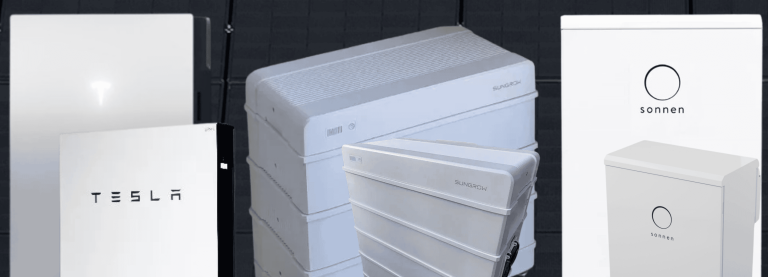
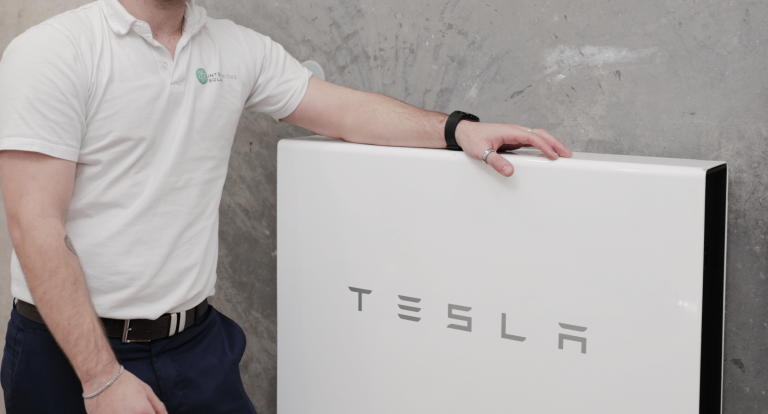
In the real world, performance often surpasses these warranty terms. Our experience installing systems across NSW shows that while warranties promise 10 years, actual performance commonly reaches 10 to 15 years with a quality setup. For example, a popular model like the Tesla Powerwall comes with a 10-year warranty or 37.8 MWh of total energy throughput. Real-world data shows premium batteries can last much longer, with some reaching 15-20 years, just at a reduced capacity. You can dig into more detailed analyses of solar battery durability in Australia on Solar-Secure.com.au.
When a battery reaches its ‘end-of-life,’ it doesn’t mean it’s dead. It simply means its capacity has dropped to the warrantied level, like 70%. A 10kWh battery at 70% capacity still holds 7kWh of usable energy—more than enough to slash your reliance on the grid during expensive peak hours.
This slow decline in capacity is a normal part of a battery's life, much like how a phone battery holds less charge after a few years. It continues to be a valuable part of your home energy system.
Understanding this difference helps you see the true long-term value you’re getting. You aren't just buying a decade of energy storage; you're investing in a system that will deliver savings and energy independence for years to come. For homeowners in NSW, this is especially valuable, and recent government incentives can make the investment even more attractive. If you're looking for more info, check out our guide on the NSW battery rebate and what you need to know.
The Hidden Factors That Degrade Your Solar Battery
Understanding how long a solar battery lasts goes beyond the warranty card. While today’s batteries are incredibly resilient, a few hidden factors can quietly diminish their lifespan and performance.
Knowing these "enemies" of battery longevity is key to protecting your investment and ensuring your system delivers maximum value for years to come.
It's like a high-performance car engine. It’s built to last, but its lifespan will be cut short if you're constantly redlining it or skipping oil changes. Your solar battery is no different. It’s a workhorse asset that thrives in the right conditions but suffers when pushed too hard.
The Impact of Extreme Temperatures
One of the biggest threats to any battery is extreme heat, and the punishing highs of a Sydney summer are a prime example. Batteries are a lot like people—they perform best in a comfortable, temperate environment.
When temperatures climb, the chemical reactions inside the battery accelerate, causing internal components to degrade faster. This process is called calendar ageing, and it happens even when the battery is idle. Over time, constant heat exposure will permanently reduce its ability to hold a charge.
- Heat Stress: Consistently high ambient temperatures, especially above 30°C, can cause irreversible damage and shorten your battery's working life.
- Location Matters: Installing a battery in a hot, unventilated garage or on a wall that gets baked by the afternoon sun is a recipe for premature failure. A professional installer knows to find a cool, sheltered spot to protect it from the elements.
This is exactly why an expert installation, designed for local conditions, is so critical. A seasoned installer understands how to position your battery to shield it from the worst of the Australian heat, giving it a powerful first line of defence.
Aggressive Charging and Discharging Habits
How your battery is used day-to-day directly impacts its health. Constantly draining it to empty or forcing it to charge too quickly puts immense strain on its chemistry.
Think of your battery as an athlete. A gentle jog (a slow, partial discharge) is sustainable daily. But a full-on sprint to exhaustion (a deep discharge) requires recovery and can’t be repeated without risking injury. This is where Depth of Discharge (DoD) becomes crucial.
Consistently pushing your battery to a very low state of charge, like 10% or 20%, is one of the fastest ways to wear it out. A well-designed system avoids this by setting a reserve, typically ensuring the battery only discharges to around 20-30% capacity, preserving its long-term health.
Similarly, rapid charging might be convenient for an EV on a road trip, but it can create excess heat and stress a home battery. A properly configured solar system is designed to charge your battery at a steady, optimal rate from your panels, which is essential for maximising its lifespan.
The Silent Killer of Improper System Sizing
A solar battery that’s too small for your home's energy needs is set up for a short life from day one. It will be forced to work flat-out every day, hitting deep discharge cycles that rapidly accelerate its decline.
It’s like trying to tow a heavy caravan with a small hatchback—the engine will be constantly strained and is guaranteed to fail much sooner than it should.
An undersized battery has to be drained almost completely every night just to keep the lights on, pushing it far beyond its ideal operating limits. This constant stress chews through its cycle life.
On the other hand, a professionally sized system is matched perfectly to your specific energy habits. It’s designed with enough capacity to power your home through the night while keeping a healthy amount of charge in reserve. This smart design is the cornerstone of ensuring your battery delivers reliable performance for its full 10 to 15-year expected lifespan. A professional consultation is all about preventing these costly sizing mistakes and ensuring your entire system works in harmony.
When you ask, "how long do solar batteries last?", a huge part of the answer lies in their chemistry. Not all batteries are created equal, and the technology inside directly dictates how well it will stand up to the daily grind, especially in our demanding Australian climate.
Understanding the main differences is the first step to choosing a battery that will deliver long-term value.
Solar Battery Chemistry Lifespan Comparison
The world of home energy storage features a few key technologies, but for most homeowners in NSW, the choice boils down to two main types of lithium-ion batteries.
| Battery Type | Typical Lifespan (Years) | Cycle Life (at 80% DoD) | Best For |
|---|---|---|---|
| Lead-Acid | 3-5 years | 500 – 1,000 cycles | Niche off-grid applications. Rarely used for modern residential solar due to short lifespan and high maintenance. |
| Lithium-Ion (NMC) | 8-15 years | 2,000 – 4,000 cycles | Electric vehicles and applications where a lighter, smaller battery is the top priority. |
| Lithium-Ion (LFP) | 10-20 years | 4,000 – 10,000+ cycles | Residential and commercial solar storage, especially in warmer climates like Australia. Valued for superior safety and longevity. |
As you can see, there’s a massive difference in expected lifespan and performance. For a home system that you want to set and forget, the choice becomes clear.
The Old Guard: Lead-Acid Batteries
First, a quick mention of the technology that started it all: lead-acid batteries. Think of the hefty battery under the bonnet of a traditional car. While they were a proven technology for a long time, they are rarely installed in new home solar systems today.
Their lifespan is much shorter, typically only 3-5 years. They’re also inefficient, can’t be deeply discharged without damage (usually limited to 50% DoD), and require regular maintenance. Their decline highlights just how far battery technology has advanced.
The Modern Standard: Lithium-Ion
Today, lithium-ion is the undisputed champion for home energy storage. But here’s the important bit: “lithium-ion” is a family name, and the specific chemistry is what truly matters. The two you’ll encounter most are Lithium Iron Phosphate (LFP) and Nickel Manganese Cobalt (NMC).
Think of it like choosing an engine. Both are high-performance, but they’re engineered for different jobs. One is built for raw power in a compact package, while the other is designed from the ground up for safety, resilience, and a long, hard-working life.
Nickel Manganese Cobalt (NMC): This chemistry is famous for its high energy density, packing more power into a smaller, lighter unit. It’s the go-to technology for electric vehicles, where space and weight are critical.
Lithium Iron Phosphate (LFP): LFP batteries are the workhorses of home solar. They are slightly heavier and bulkier than their NMC cousins but more than compensate with incredible stability, a superior safety profile, and a much longer cycle life. This makes them the obvious choice for a stationary battery in your home.
For homeowners in Sydney and across NSW, the verdict is in. The excellent heat tolerance of LFP batteries makes them far better suited to our scorching summers. They’re also non-combustible, offering a level of safety and peace of mind that’s simply unmatched. This built-in durability is why they are the technology we almost always recommend.
If you really want to get into the details, our in-depth solar battery comparison guide breaks down the specs even further.
Why Lifespan Varies So Much in Real-World Australia
It’s crucial to set realistic expectations. Your solar panels are the marathon runners of your system, easily lasting 25-30 years while still performing at over 90% efficiency. Batteries, on the other hand, are more like sprinters—they work incredibly hard but degrade faster.
Real-world data from Australian conditions shows that some batteries can drop to around 60% of their original capacity after just 10 years. The daily grind of a busy NSW household—especially running the air-con during a 35°C heatwave—wears them down faster than pristine lab conditions might suggest. This is a point backed up by local analysis from platforms like Solar Calculator.
This infographic highlights the three big culprits that accelerate this wear and tear: heat, deep drainage, and incorrect sizing.

As you can see, protecting your investment from these stressors is the single most effective way to help it hit—or even exceed—its expected lifespan. A quality, professional installation is designed to shield your battery from these very risks.
How to Maximise Your Solar Battery's Lifespan

Knowing how long a solar battery should last is one thing. Actually making it happen is where you unlock the real value from your investment. With smart planning, you can ensure your battery performs at its best for years, maximising your energy savings and independence.
Protecting your battery isn't about complicated daily maintenance. It boils down to three key pillars that must be in place from day one: smart system design, sensible usage habits, and the peace of mind that only a professional installation can provide.
Start with Smart System Design and Sizing
The most critical step to a long battery life happens before it’s even on your wall. A correctly sized battery is the foundation of a healthy, long-lasting system. It's crucial to move beyond the "bigger is better" myth and focus on getting the size that is right for your home.
An undersized battery is forced to work too hard, draining almost completely every night to cover your basic needs. This deep discharging puts immense stress on the battery’s chemistry and will dramatically shorten its life.
A professional design process involves a detailed analysis of your specific energy consumption patterns. We match your household's daily needs to a battery with enough capacity to get you through the evening comfortably, all while keeping a healthy amount of charge in reserve. This prevents the stressful deep discharges that cause batteries to degrade faster.
Optimise Usage with a Battery Management System
Every modern solar battery comes with a sophisticated brain called a Battery Management System (BMS). Think of it as your battery’s built-in guardian, constantly monitoring its health and controlling how it charges and discharges.
One of the most important jobs of the BMS is to set a minimum state of charge, which prevents the battery from ever draining completely. An expert installer can fine-tune these settings to prioritise longevity. For instance, we can configure your system to hold a 20% reserve, ensuring it never dips into a stressful low-power state.
This kind of optimisation makes a huge difference. For solar batteries in Australia, most quality systems are designed to last between 10 to 15 years under normal household conditions. Real-world data from local installers and testing programs backs this up. High-quality lithium-ion batteries—like the LFP chemistry so popular in the Aussie market—carry warranties for 6,000 to 10,000 cycles, which translates to 10-15+ years of service for a typical Sydney home.
The Value of Professional Installation and Monitoring
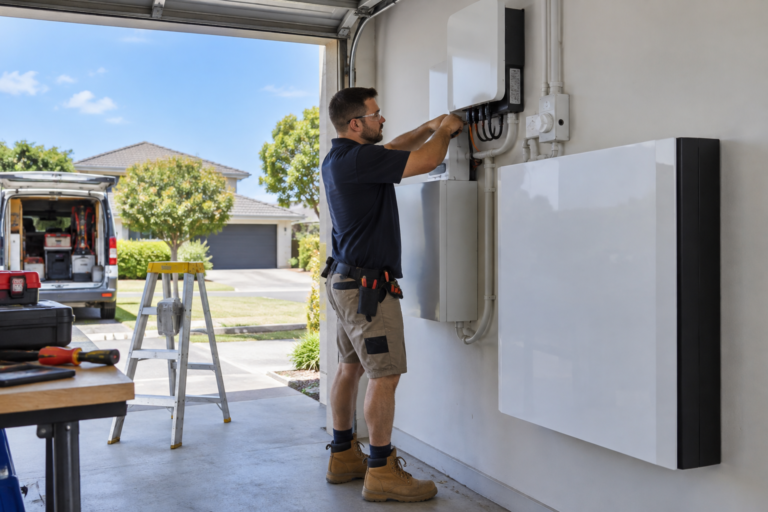
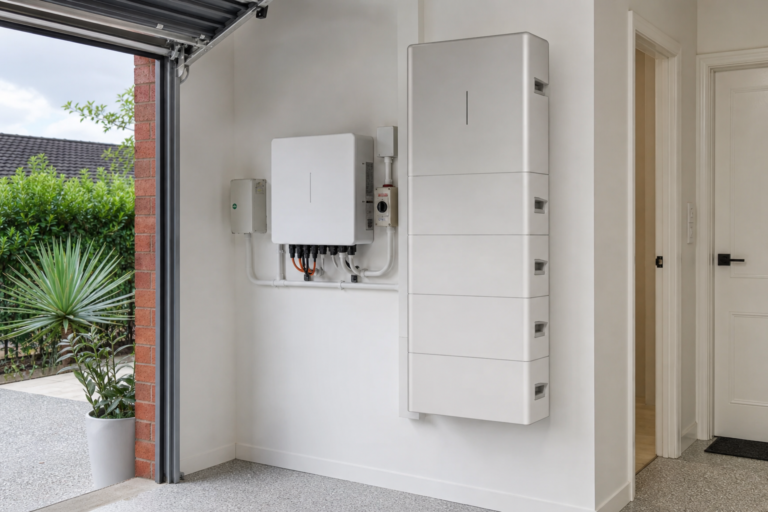
A professional installation is about so much more than just connecting wires. It's about setting your entire system up for a long and productive life. That includes selecting the right location—a cool, sheltered area away from the harsh afternoon sun—to protect the battery from the damaging effects of extreme heat.
What’s more, a trusted solar partner provides ongoing support. Using advanced software, you can easily monitor your system's performance. Check out our guide on how you can benefit from enhancing solar efficiency with inverter remote monitoring to see exactly how this works.
A solar battery is a significant asset for your home, and protecting it makes good financial sense. Many of the principles for extending its life are universal, so it’s wise to implement robust asset management best practices to get the most from your investment.
Ultimately, maximising your battery’s lifespan comes down to a partnership. With our expert design and careful configuration, we ensure your system is optimised for durability and peak performance right from the start. This gives you the confidence that your investment is protected for the long haul, ready to provide clean, reliable energy for many years to come.
Recognising the Signs It’s Time for a Replacement
Just like any hard-working piece of equipment, your solar battery will eventually show signs of ageing. Knowing when to plan for an upgrade is key to maintaining your energy independence and keeping your power bills low.
These signs aren’t an alarm bell for sudden failure. Think of them more as indicators that your system is entering the later stages of its effective life. Spotting them early lets you plan ahead and avoid any unexpected dips in performance. It’s all about forward-planning for your home’s energy future.
A Noticeable Drop in Capacity
The most common sign is a significant drop in how long your battery powers your home. You might notice that it no longer makes it through the entire night, especially during winter when evening energy use is high.
What once comfortably covered your power needs from dusk until dawn may now fall short, forcing you to draw expensive power from the grid in the early morning hours. This is the clearest indicator that your battery's capacity has degraded over its many years of service.
A battery nearing the end of its warrantied life doesn't just stop working. Instead, its ability to hold a full charge gradually decreases. If your 10kWh battery now only provides 6-7kWh of usable energy, it's a classic sign that its best years are behind it.
More Frequent Grid Reliance
Another tell-tale sign is seeing your electricity bills slowly creep up. Your monitoring app or power bill might show that you're relying more and more on the grid during those expensive peak evening periods.
This happens because the battery can no longer store enough solar energy during the day to offset your entire evening consumption. Essentially, you're losing some of the energy self-sufficiency you invested in.
A few key symptoms include:
- Your system pulls power from the grid much earlier in the evening than it used to.
- Your solar monitoring app shows the battery discharging to its minimum level much faster.
- The savings on your quarterly electricity bills are noticeably smaller.
If you’re noticing these changes in your older system, it doesn’t mean something has broken. It simply means it might be time to start a conversation about what comes next. Scheduling a professional assessment is the best first step.
An expert can perform a detailed system health check to confirm your battery's performance and discuss modern, more efficient replacement options. Newer batteries can integrate seamlessly with your existing solar panels and prepare your home for future needs, like adding an EV charger. To ensure your system remains in top condition, you can learn more about our ongoing support options with our Interactive Care packages.
Got Questions About Solar Battery Lifespan? We’ve Got Answers.
Even with all the details sorted, a few common questions always pop up when people are considering a solar battery. Here are the straight-talking answers we give homeowners across Sydney and NSW.
Does A Solar Battery Lose Capacity Even If I Don’t Use It?
Yes, but it's not the primary concern. All batteries naturally lose a tiny bit of charge over time, even when idle. This is called calendar ageing. Think of it like a new phone still in its box—a year later, its battery won’t be at 100%, even though it’s never been used.
However, for modern lithium batteries, this is a very slow process. The real factor that determines your battery’s lifespan is cycle ageing—the wear and tear from being charged and discharged every day. This is why having a professional design and configure your system for optimal cycling is so critical for protecting your investment.
Can I Add A New Battery to My Old Solar System?
Absolutely. In most cases, a modern battery can be added to a solar panel system that’s already been up and running for years. This is usually done through a process called AC coupling, and it’s a fantastic way to gain energy independence without replacing your existing panels.
However, this isn’t a DIY job. It’s crucial that the new battery and its inverter are fully compatible with your current setup. A professional is needed to ensure everything integrates seamlessly, works in harmony, and doesn’t create any performance bottlenecks.
Upgrading an older system is the perfect time to tap into newer, more robust battery chemistries like LFP. An expert can size up your existing solar array and match it with a battery that not only fits perfectly but also delivers superior longevity and safety for your home.
Is A 10-Year Battery Warranty Really Long Enough In Australia?
A 10-year warranty is the gold standard in Australia and a strong indicator you’re buying a quality product from a reputable manufacturer. Given that most quality batteries see a real-world lifespan of 10-15 years in local conditions, a decade-long warranty provides a very secure window for your investment.
Remember, the warranty isn't an expiry date. It typically guarantees your battery will still hold a specific amount of its original capacity (often 60-70%) after ten years. This ensures it remains a functional and valuable asset well beyond the warranty period, giving you confidence in its long-term performance.
Will Running My Air Con All Summer Destroy My Battery?
Not if your system is designed properly from the outset. A professionally sized solar and battery system is built to handle heavy loads, including power-hungry appliances like air conditioners—a must-have during a hot Sydney summer.
Here’s how it works: your system will use free solar power during the day to run the air con, with any excess energy topping up your battery. Once the sun goes down, the battery takes over to cover your evening usage. While running the air con definitely puts the battery to work, a well-designed system is built for these daily demands without causing premature wear. It all comes back to the importance of professional system design based on how you actually use energy.
Ready to secure your home's energy future with a solar battery designed to last? The team at Interactive Solar has over 20 years of experience designing and installing high-performance solar and battery systems across NSW. We provide honest advice and expert installation to ensure you get the maximum lifespan and value from your investment. Contact us today for a free, no-obligation consultation.
Make Interactive Solar a preferred source in Google
One click tells Google to surface our articles more often in Top Stories, AI Overviews and AI Mode.