Solar Panel Installation NSW: Your 2026 Guide to Energy Independence
Considering a solar panel installation in NSW? It's the definitive move for homeowners and businesses ready to slash power bills and achieve true energy independence. While the journey might seem complex, this guide simplifies the process, revealing just how rewarding and straightforward the switch to solar can be.
We'll walk you through every step, showing you how a professionally designed solar, battery, and EV charging solution can transform your energy future.
Why NSW Is the Smart Choice for Solar

If you're thinking about solar, you're in the right place at the right time. New South Wales isn't just a participant in Australia's clean energy shift—it's leading the charge. This makes it the perfect spot for your solar investment.
With over a decade in the solar industry, we’ve seen firsthand how a properly planned system can completely revolutionise a family's finances. It’s not just about reducing your bill; it’s about taking back control of your energy costs for good.
A State That Gets Solar
The support for solar in NSW is undeniable. The state is a powerhouse for home and business solar installations, demonstrating a massive commitment to sustainable energy.
Across NSW, there are already 1,129,992 solar systems installed. That means a staggering 33.58% of all households are already generating their own clean power. This incredible uptake puts NSW at the top, holding the highest rooftop solar capacity in Australia at 7.5 gigawatts (GW). You can dig into more solar energy statistics that show just how far ahead the state is.
With over two decades of combined experience, our family business has helped countless NSW residents make this change. We handle the entire journey, from the first chat about your energy goals to the day you start generating free power from the sun.
More Than Just Numbers
This guide is designed to take you through the whole process, from start to finish. We'll cover everything you need to know about a solar panel installation NSW residents can trust. Our goal is to cut through the jargon and give you clear, practical steps based on real-world experience.
We believe going solar should be an empowering and exciting step. In this guide, we'll dive into the important stuff, like:
- How to design a system that’s precisely right for your energy needs.
- Navigating government rebates and getting all necessary approvals sorted.
- What you should expect on installation day.
- Integrating solar batteries and EV chargers to create a complete home energy solution.
Designing A Solar System That Works For You
A great solar installation doesn’t just happen on the day the panels go up. The real work begins much earlier, with a smart, customised design that’s built around your home, your lifestyle, and your energy goals.
This is why a proper site assessment is the absolute foundation of your solar journey. It's not just a quick glance at your roof from the street.
Our technicians get on-site to do a deep dive, evaluating all the little details that make a huge difference to your system’s output. We’re talking about roof orientation, any potential shading from trees or neighbouring buildings, and the structural health of your roof itself. We need to be certain it can support your system for decades to come.
This hands-on approach is the only way to guarantee your panels are positioned for maximum sun exposure, which translates directly into bigger savings and a faster return on your investment.
Before we get into the nitty-gritty of system design, it's worth understanding the factors we look for during that initial visit. These details are what separate a high-performing system from a mediocre one.
Key Considerations During Your Site Assessment
This table outlines the critical factors our technicians evaluate during a site visit to ensure your solar system design is optimised for maximum performance and savings.
| Factor | Why It Matters | Interactive Solar's Approach |
|---|---|---|
| Roof Orientation & Pitch | North-facing roofs are ideal in Australia, but east-west systems can also be highly effective for capturing morning and afternoon sun, matching modern energy use patterns. | We use specialised tools to map your roof's exact orientation and pitch, modelling the sun's path to find the most productive spots for your panels. |
| Shading Analysis | Even small shadows from trees, chimneys, or neighbouring properties can significantly reduce a panel's output, impacting the entire system. | We conduct a detailed shading analysis for different times of day and seasons, using this data to either position panels away from shade or recommend microinverters. |
| Roof Condition & Material | The age, material (tile, tin, etc.), and structural integrity of your roof determine the appropriate mounting system and whether any repairs are needed first. | Our inspection includes a thorough check of your roof's health to ensure a safe, secure, and leak-proof installation that will last. |
| Available Roof Space | The usable, unshaded area on your roof dictates the maximum number of panels you can install, which directly influences your system size. | We precisely measure all available roof sections to create a panel layout that maximises energy generation without compromising on aesthetics or safety. |
By taking the time to get these details right from the start, we can design a system that you know will perform exactly as promised.
Sizing Your System For Today And Tomorrow
Getting the system size right is probably the most critical part of the design. A system that's too small won't deliver the savings you expect. One that's too large might not provide an optimal return on investment.
The sweet spot for most homes is a system designed to offset 70-100% of your electricity usage from the grid.
We don't guess to find that number. We’ll ask to see your recent energy bills to perform a proper analysis of your consumption patterns. This shows us when you use the most power and how much you’ll need to generate to cover it.
But we also need to look to the future. Are you thinking about getting an electric vehicle? Adding a pool or a big workshop in the shed? These future plans are crucial. For example, we recently helped a family in Parramatta who were planning to buy an EV. We designed a slightly larger system paired with a solar battery to ensure they could cover their household needs and essentially "fuel" their new car for free.
This is what future-proofing a solar panel installation in NSW is all about.
The Technology Behind The Savings
Once we know your energy needs, it’s time to choose the right hardware. The world of solar can feel overwhelming, with endless brands of panels, inverters, and batteries to pick from. Our job is to cut through the noise and explain what really matters for your home.
We focus on the real-world benefits of using premium components. This includes:
- High-Efficiency Panels: Perfect for homes with limited roof space or high energy demands, these generate more power from a smaller footprint and perform better on overcast days.
- Durable Inverters: As the brain of your solar system, the inverter must be reliable. We stick to brands known for their rock-solid performance and strong Australian-based support.
- Comprehensive Warranties: Choosing products with long-term warranties on performance and manufacturing isn't just a bonus—it's essential for your peace of mind and the long-term value of your investment.
A solar system is a long-term investment in your home's energy future. Opting for quality components from the start ensures better performance, greater reliability, and superior savings over the life of the system.
The growth of solar in Australia has been nothing short of amazing. The number of rooftop systems has exploded, jumping from 1.5 million before 2016 to an expected 4.3 million nationwide by early 2026.
NSW is a huge part of that story, with its 1,129,992 systems representing nearly a third of all Aussie homes going solar. That’s an incredible adoption rate of 33.58%! We’ve also seen average system sizes get bigger, with new installs often hitting 10.9 kW as household and commercial energy needs grow.
For homes with serious energy consumption, it’s worth exploring what a larger system can do. You can check out our guide on the capabilities of a 10 kW solar system to see if that kind of power lines up with your goals.
After your design is mapped out, it can be really helpful to look at examples of solar energy projects to see what the final product looks like. Seeing how panels fit on different roof types gives you great context and confidence for your own installation.
Unlocking NSW Solar Rebates And Approvals
Let's talk about the financial side of things. Government incentives are a huge driver for going solar, but the paperwork and approvals can feel like a maze. We'll break down how the schemes work in NSW and what's involved in getting everything signed off, so you can maximise your return.
One of the biggest financial wins comes from the federal Small-scale Technology Certificates (STCs) program. The important thing to know is that this isn't a rebate you claim back later. Think of it as a significant upfront discount that's applied directly to your system's cost.
When you get a quote from a quality installer, that STC discount is almost always baked into the final price you see. It’s a powerful incentive that makes the initial investment far more accessible.
How STCs Slash Your Upfront Cost
So, how much of a discount are we talking about? The number of STCs your system generates hinges on three things:
- The total size of your solar panel system, measured in kW.
- Your geographic zone, which basically rates how much sunshine your area gets.
- The year you install, because the program is slowly being phased out towards 2030.
A bigger system in a sunny part of NSW will earn more certificates, which translates to a larger discount right at the point of sale. Our team handles all the calculations and the tedious paperwork to claim and trade the STCs. This way, the price you’re quoted is the price you pay—no surprises, savings included.
The STC program is the main federal incentive on the table. It directly cuts down the purchase price of your solar system, making it much easier to get started. We manage this entire process for you from start to finish.
While the federal STC scheme is the primary program, we stay on top of any NSW-specific initiatives. We're constantly monitoring for new schemes to make sure our customers in 2026 can lock in every dollar of savings available for their solar, battery, or EV charging projects.
Navigating Council And Network Approvals

Once the finances are sorted, there's the admin side: council regulations and, crucially, getting the green light from your Distributed Network Service Provider (DNSP). Depending on where you live in NSW, this will be Ausgrid, Endeavour Energy, or Essential Energy.
Getting approval from your DNSP is non-negotiable. It's a critical safety measure to make sure the local grid can safely handle the excess power your system might send back. Without their approval, your system simply cannot be legally connected to the grid.
For most standard home installations (usually up to 5kW or 10kW, depending on the network rules), this is a pretty straightforward process. Our in-house team takes this completely off your plate. We submit the application with all the required technical specs, ensuring everything is compliant and there are no holdups.
Thankfully, most residential solar projects in NSW don't require a full-blown Development Application (DA) with the local council. Rooftop solar typically falls under "exempt development," as long as it ticks a few boxes set out in state planning policies.
These rules usually cover things like where panels are placed, how high they sit off the roof, and making sure the system doesn't affect a heritage-listed property. We handle all these checks to confirm your project is compliant, saving you the time and stress of dealing with council paperwork. However, it's worth knowing that navigating local government rules can sometimes be complex. You can get a sense of the challenges involved by looking at the process for getting planning approvals for building a house on rural land in NSW, which can have some parallels in certain tricky situations.
It's also vital that your installer follows industry best practices. You can learn more about what to expect by reading about the New Energy Tech Consumer Code (NETCC). This code holds solar retailers to a high standard, giving you peace of mind that you're getting a quality, safe, and fully compliant installation.
Your Solar Installation Day Explained
After all the planning and paperwork, installation day is when the excitement really kicks in. It’s the day your solar investment finally starts to take shape on your roof. But what actually happens when the installation team rolls up? Let's pull back the curtain and give you a proper look at the process.
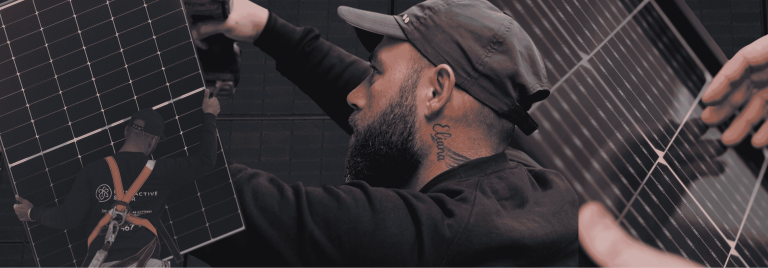
It all starts with trust. Your installer must be a Clean Energy Council (CEC) accredited professional. This isn’t just a fancy badge; it’s your guarantee that the crew on your roof is trained to Australia’s highest standards for safety and quality. It ensures your system is installed correctly and, just as importantly, that it’s eligible for all the government incentives you’re counting on.
The moment our team arrives, safety is the first order of business. We’ll run through a series of essential checks, which means securing the work area, setting up all our fall protection gear, and making sure the power is safely isolated. Only then do we start bringing your new energy system to life. You can read more about our approach to quality solar installations and why getting it right is so critical for the long-term value of your system.
From Rails To Panels
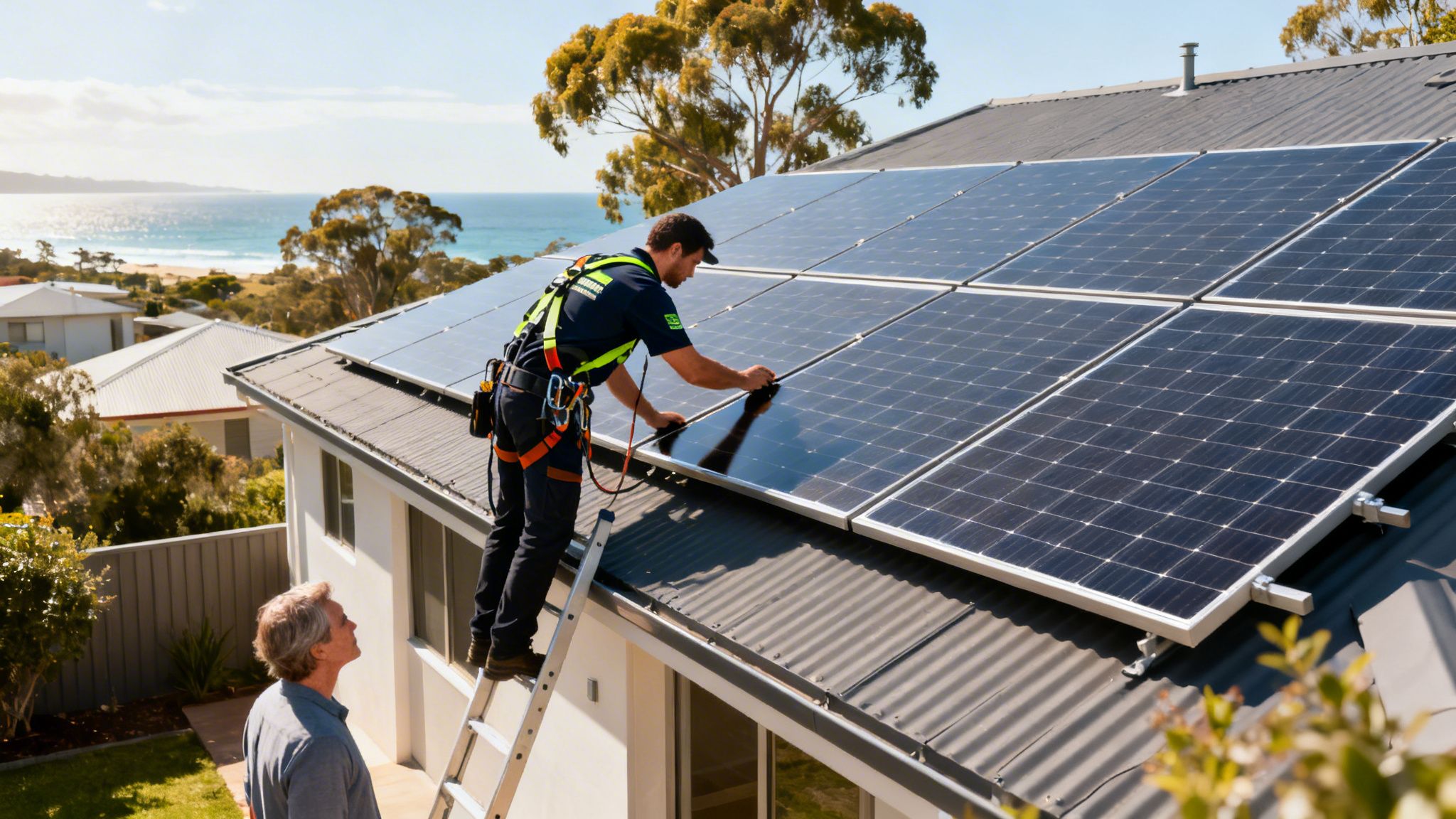
The physical installation itself is a methodical, step-by-step job. We begin by installing the mounting system—a framework of rails securely bolted to your roof rafters. This is the backbone that will support your panels for decades, so we take immense care to get it perfectly aligned and totally weatherproof.
With the rails locked in, we start mounting the solar panels. Each panel is carefully secured, and our team begins running the electrical wiring that connects everything. These cables are run neatly under the panels, down into your roof cavity, and routed to where your inverter will be.
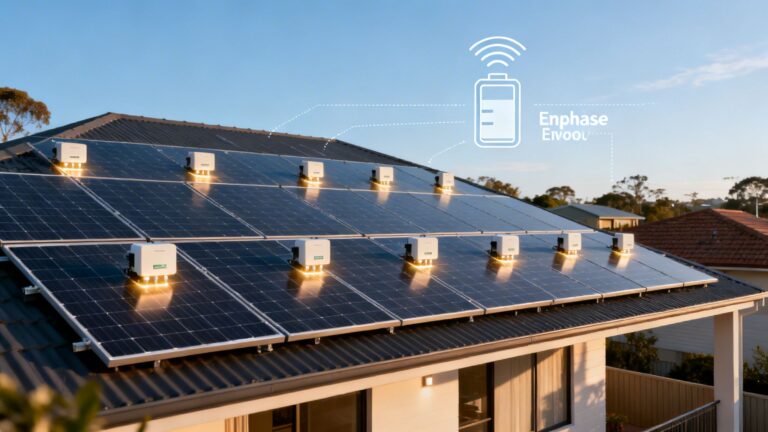
The inverter is the heart of your solar system. It’s the brain that converts the DC electricity from your panels into the AC electricity your home actually uses. We’ll install it in a pre-agreed spot—usually in the garage or on a shaded outside wall—and wire it directly into your main switchboard.
Your Simple Homeowner Checklist
To help the day run as smoothly as possible, there are just a few simple things you can do to get your property ready for our arrival.
- Clear The Area: Please make sure there’s clear access to your switchboard and the wall where the inverter is going.
- Provide Access: We'll need to get to the roof and other work areas easily, so unlocking gates is a big help.
- Secure Pets: For their safety and our team’s, keeping your pets secured away from the work zones for the day is a must.
- Plan For A Brief Outage: We’ll need to shut down your home’s power for a short time while we connect the system to your switchboard. Don’t worry, we’ll give you plenty of warning before we do.
Following these simple steps helps our team work safely and efficiently, getting your system online with minimal fuss.
Grid Connection And System Commissioning
Once the physical installation is done, a couple of vital steps remain. The most important is sorting out the grid connection and meter reconfiguration with your electricity retailer and network provider. This allows your smart meter to accurately track both the power you pull from the grid and the excess solar energy you send back.
We handle all this paperwork for you, but be aware it can sometimes take a few weeks, depending on your retailer's schedule.
Once the meter is ready, we can perform the final commissioning. This is where we personally walk you through your brand-new system. We'll show you how it all works and, best of all, get the monitoring app set up on your phone or computer.
This app is your window into the system’s performance, giving you a real-time view of how much power you’re generating, using, and saving. It’s a fantastic tool that lets you watch your investment pay off from day one.
Building Your Complete Home Energy Solution

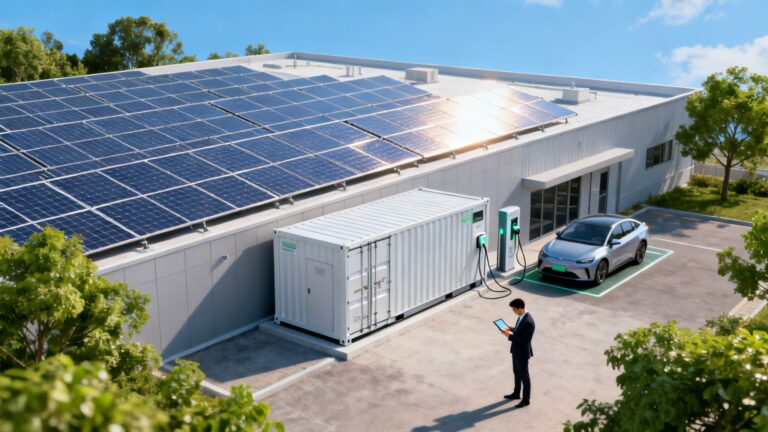
Getting solar panels is the right first move toward energy independence, but it’s really just the beginning. Think of your new solar system as the power-generating core of a complete home energy ecosystem, ready for smart additions like batteries and EV chargers that can take your savings and self-sufficiency to a whole new level.
By thinking beyond just panels, you can build a powerful, integrated solution that works together to cover all your energy needs. Let's look at how you can build on your solar panel installation in NSW to achieve total control over your power.
Unlocking 24/7 Power With A Solar Battery
Your solar panels are brilliant at generating free electricity while the sun is out. But what happens when the sun goes down? Without a way to store that power, you’re straight back to buying it from the grid, often at the highest evening peak rates. This is where a solar battery completely changes the game.
A home battery is your personal energy reserve. It captures and stores all the excess solar power your panels generate during the day, holding it for you to use at night. This process, known as self-consumption, is the absolute key to maximizing the return on your solar investment.
Instead of exporting your valuable solar energy back to the grid for a minimal feed-in tariff, a battery lets you keep that power for yourself. This simple shift dramatically reduces your reliance on your electricity retailer and accelerates your path to energy freedom.
On top of the daily savings, a battery delivers incredible energy security. When the grid fails, a properly set-up battery system can switch over almost instantly, keeping your lights on and your essential appliances running. For many NSW homeowners, that peace of mind is one of the biggest reasons to add storage. To help you make the right choice, our detailed solar battery comparison guide breaks down the best models on the market.
Turning Your Roof Into A Personal Petrol Station
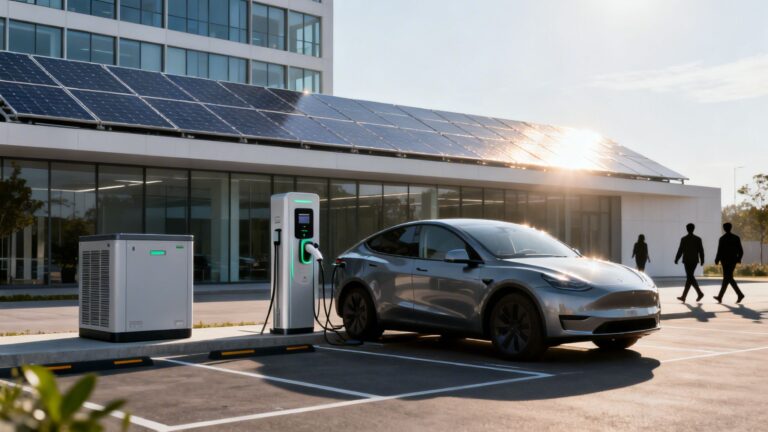
The shift to electric vehicles (EVs) is happening fast, and a solar system is the perfect partner for it. Integrating an EV charger into your home setup essentially turns your roof into a personal, zero-cost "petrol station."
Imagine fuelling your car with nothing but sunlight. By charging your EV during the day, you can use the free power your panels are generating to top up your car's battery. The synergy here offers massive savings, effectively wiping out a huge chunk of your household transport costs.
Even if you need to charge at night, the benefits are still there when you have a solar battery. Your stored solar energy can be used to charge your EV overnight, making sure you start every day with a full "tank" of clean power without ever touching the grid.
Smart Additions For Greater Efficiency
A complete energy solution also means looking at how you use your power. One of the most effective add-ons we recommend for NSW homes is roof ventilation.
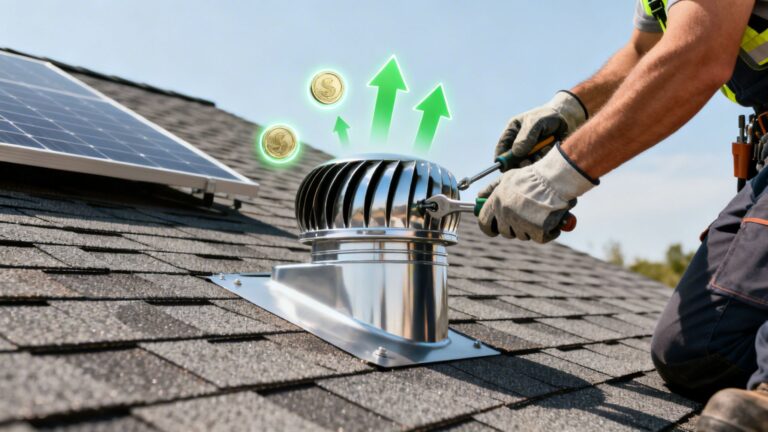
During our hot summers, your roof cavity can turn into a giant heat trap, baking your home from above and forcing your air conditioner to work overtime. A solar-powered roof ventilator solves this by actively pulling that scorching hot air out of your roof space.
This simple addition has a powerful effect:
- It can lower the internal temperature of your home by several degrees.
- It dramatically reduces the workload on your air conditioning system.
- By easing the strain on your AC, it directly cuts your electricity consumption.
A roof ventilator works in perfect harmony with your solar panels. Your solar system provides the free power to run your AC more efficiently, while the ventilator ensures the AC doesn't have to work nearly as hard in the first place. It’s a smart, effective way to boost comfort and deepen your energy savings.
Common Questions About Solar Panel Installation In NSW
Even after you’ve done the research, a few questions always pop up. It’s a big decision for your home, and you want to be completely sure about what you’re getting into. We get it.
Here, we’re tackling the most common queries we hear from NSW homeowners, based on our years of hands-on experience putting panels on roofs just like yours.
How Long Does A Solar Installation Take In NSW?
This is usually the first thing people ask. The actual, physical installation on your roof is surprisingly fast. For a standard residential solar panel installation in NSW, our teams are typically on-site and finished in just one to two days.
The full journey, from our first chat to flicking the switch, is a bit longer, of course. This covers the initial site assessment, finalising the design, getting the network approvals sorted, and coordinating the final grid connection. All up, the entire process usually takes a few weeks, but we manage every step for you. You’ll get clear, regular updates so you’re never left wondering what’s happening next.
What Warranties Should I Actually Look For?
Warranties are your safety net, so you need to know exactly what they cover. Don't just get fixated on the number of years; the details are what matter.
You need to check three distinct warranties:
- Panel Performance Warranty: This is the industry-standard 25-year warranty. It guarantees your panels will still produce a certain percentage of their original power after two and a half decades.
- Product Warranty: This covers actual defects in the panels and inverter themselves. This is arguably the more critical warranty. Look for premium brands offering 10-25 years on panels and 10-15 years on inverters.
- Workmanship Warranty: This is your installer's guarantee on the quality of their own work. Any installer worth their salt will back their workmanship for at least 10 years.
Choosing an installer who uses high-quality products with strong Australian-based support and who confidently backs their own workmanship is essential. This combination provides true peace of mind for the decades to come.
Can I Put Solar On A South-Facing Roof?
A north-facing roof is the textbook ideal in Australia, but it’s by no means the only good option. In fact, we often design highly effective systems with panels on both east and west-facing roof sections. This kind of setup is brilliant for capturing strong morning and afternoon sun, which often aligns perfectly with when modern households use the most power.
And what about a south-facing roof? It's not the deal-breaker many people think it is. Today’s solar panels are incredibly efficient, and a southern array can still generate a very useful amount of energy. In some situations, we can even use special tilt frames to angle the panels for better sun exposure. Our detailed site analysis will model the output from all your available roof spaces to design the most productive system for your home.
Do I Need Council Approval For Solar Panels In NSW?
For the vast majority of residential homes in NSW, the answer is a simple no. Rooftop solar is typically considered an 'exempt development,' which means it doesn’t need a formal Development Application (DA) from your local council.
There are, of course, a few exceptions. If your property is a listed heritage item or located in a heritage conservation area, special rules might apply. The same goes for unusually large or complex systems. As part of our service, we handle all these compliance checks and paperwork. We make sure your installation is fully approved and meets every regulation, taking that administrative headache completely off your plate.
There's a lot of noise out there about solar, and it can be tough to separate fact from fiction. If you're still curious, you might want to read our article debunking common solar myths to clear up any other nagging doubts.
Ready to take control of your energy bills with a high-performance solar solution? The team at Interactive Solar is here to help. We provide turnkey solar, battery, and EV charging solutions designed to maximise your savings and secure your energy future.
Start your solar journey with a free, no-obligation quote today.