A Guide to the 20 kW Solar System in Australia
A 20 kW solar system isn't just a set of panels on your roof; it's a private power station for your property. Think of it as a serious energy asset, built for high-consumption homes and small businesses ready to slash their reliance on the grid.
Is a 20 kW Solar System Right for Your Property?
Before considering a system this size, it's essential to look at your power bills. A 20 kW system isn't a one-size-fits-all solution. It's specifically designed for properties with a significant and consistent hunger for electricity. It’s a major step, but one that can lead to long-term energy control and financial security.
For homeowners, a few key lifestyle factors are usually a dead giveaway. Do you run ducted air conditioning all summer long? Is there a heated swimming pool or spa humming away in the backyard? These high-draw appliances can easily push your daily energy use into a range where a 20 kW system becomes a necessity, not just a nice-to-have.
Who Benefits Most from a 20 kW System?
A 20 kW solar installation is a powerhouse built for a specific type of user. While an average home might do just fine with a smaller setup (you can see what that looks like in our guide on the 10 kW solar system), a 20 kW array plays in a different league.
See if your property fits one of these profiles:
- Large Residential Estates: Think sprawling homes with multiple air con zones, home automation, and heated pools. These properties often chew through 60-80 kWh or more per day.
- Small to Medium Businesses: Cafes, local workshops, medical practices, or retail stores are perfect candidates. Their consistent daytime energy use for lights, refrigeration, and machinery makes solar a brilliant way to cut overheads.
- Future-Ready Homeowners: If you’re planning to add one or two electric vehicles (EVs) or a big solar battery soon, a 20 kW system gives you the headroom you need to power your home and charge your car without begging the grid for power.
A 20 kW system moves you beyond simple bill reduction. It's about taking control of your energy future, insulating your home or business from rising electricity prices, and building a resilient, self-sufficient property.
For a small business, a 20 kW solar system can turn a major operational headache into a predictable, manageable asset. By generating your own power during peak business hours, you can crush your overheads and boost your bottom line. It's a direct investment in the financial health of your operation.
Ultimately, it all boils down to matching your energy generation with your consumption. If your power bills are a constant worry and your daily usage is well above average, a 20 kW solar system is a powerful solution that puts genuine energy independence within your reach.
What a 20 kW Solar System Can Actually Power
So, what does a ‘20 kW’ system actually mean for your home or business? Forget the technical jargon for a moment. Think of it as a serious, commercial-grade power plant sitting on your roof.
On a typical day, you can expect a 20 kW solar system to pump out between 74 and 84 kilowatt-hours (kWh) of clean energy. Of course, this number will shift depending on where you are in Australia, the weather, and which way your panels are facing.
To put that into perspective, an average Aussie home chews through about 16-20 kWh a day. This means a 20 kW system generates enough electricity to comfortably power four of those homes. We're well past just running a few lights and the telly here.
Powering High-Demand Households and Businesses
For a home with high energy needs, this kind of output is a complete game-changer. It’s the difference between constantly watching your smart meter and running your home exactly how you want to.
A 20 kW solar system can easily handle the combined load of:
- Ducted air conditioning keeping the whole house cool on a hot summer's day.
- A heated swimming pool or spa pump running for hours.
- All your standard household appliances—fridges, washing machines, ovens, you name it.
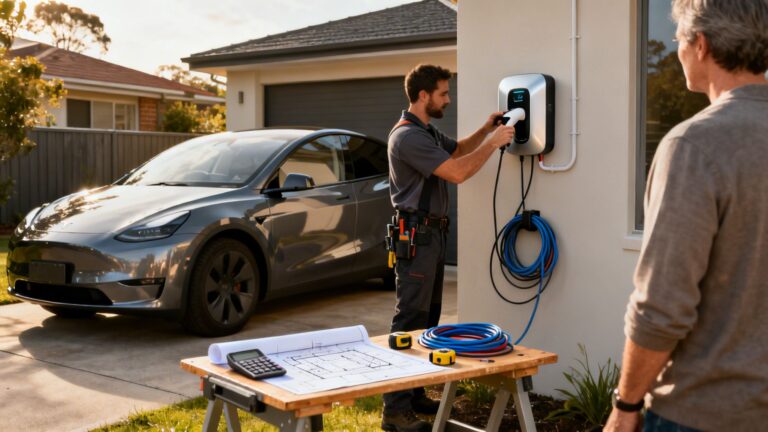
- An electric vehicle (EV) charger, turning your garage into your own private service station.

These are the clear signs that your energy profile is ready for a system this size. It stops being an oversized purchase and becomes a strategic investment in your property's future.
For a small business, a 20 kW system is a direct line to slashing your operating costs. The power it generates can run commercial kitchens, an office full of computers, workshop machinery, and large-scale lighting right through your peak business hours. When you make your own power, you take back control over one of your biggest expenses.
Estimated Daily Energy Production of a 20 kW Solar System
Your location in Australia plays a huge role in how much energy your system will generate. The table below gives you a rough idea of the daily production you can expect in major cities, showing just how much sunshine can impact performance.
| City | Average Daily kWh Production (Approx.) |
|---|---|
| Adelaide | 82 kWh |
| Brisbane | 80 kWh |
| Canberra | 80 kWh |
| Darwin | 86 kWh |
| Hobart | 66 kWh |
| Melbourne | 72 kWh |
| Perth | 88 kWh |
| Sydney | 78 kWh |
As you can see, a sun-drenched city like Perth will get more out of the same system than somewhere like Hobart. This is why a local installer’s assessment is so critical to getting your numbers right.
Turning Energy Costs Into a Manageable Asset
Ultimately, a 20 kW solar system completely changes how you think about electricity. It's no longer just a bill that shows up every quarter; it becomes a powerful asset that you manage.
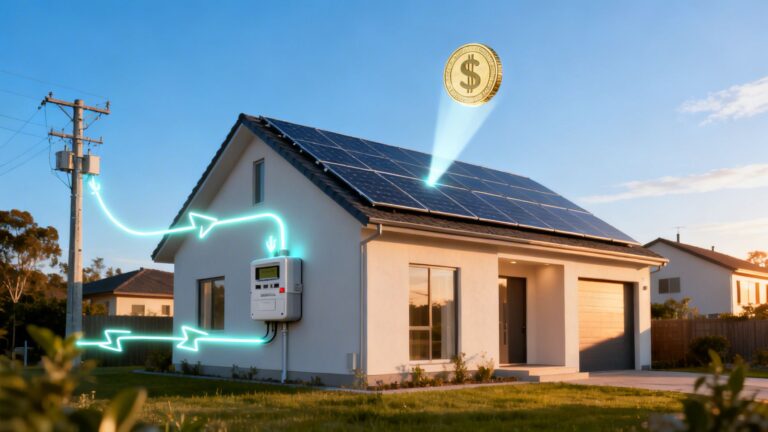
With this much generating capacity, you're not just chipping away at your bill—you're aiming to wipe it out entirely. On sunny days, you’ll almost certainly produce far more power than you need. That excess energy can be stored in a battery for later or sold back to the grid for a credit on your bill.
This is especially true for small businesses, which can have energy demands four to six times higher than a typical home. A 20 kW system provides the kind of daytime power that makes a real dent in those massive commercial bills.
With a well-maintained system lasting around 25-30 years, many businesses see a full return on their investment in just a few years. You can find more data on 20 kW system returns and lifespans to see how the numbers stack up. As grid electricity prices continue to climb, you’re turning a volatile cost into a predictable, and often profitable, part of your operation.
Components and Roof Space for a 20 kW System
Thinking about a 20 kW solar system is one thing; picturing it on your actual property is the next crucial step. An installation of this size is a serious piece of equipment, so you need a handle on its physical footprint and the quality of the parts that make it tick. It’s a lot more than just panels—it's an entire power-generating ecosystem.

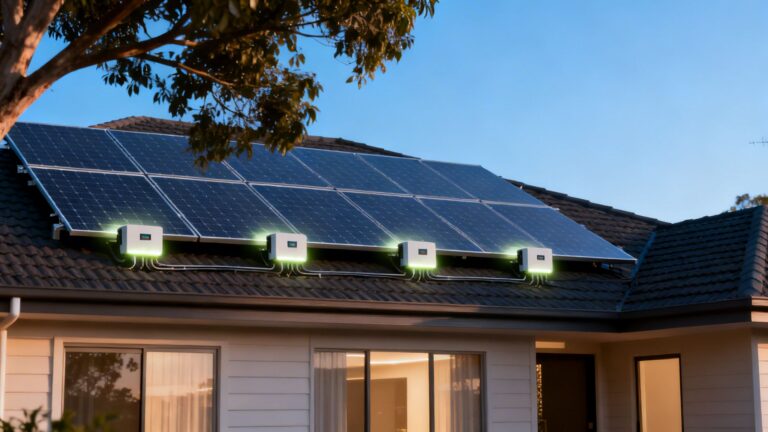
The most obvious part of your 20 kW solar system will be the panels themselves. The final panel count hinges on their individual wattage, but as a rule of thumb, you’ll be looking at between 45 and 55 high-efficiency panels. Thankfully, modern panels pack a much bigger punch, giving you more generation from a smaller area.
Assessing Your Roof Space
With that many panels in play, you’re going to need a decent amount of roof space. A typical 20 kW solar system needs around 100 to 130 square metres of clear, usable roof. It's absolutely vital that this area is free from shade cast by trees, chimneys, or neighbouring buildings, particularly during the middle of the day when the sun is at its strongest.
Your roof's orientation and angle also make a huge difference. In Australia, a north-facing roof is the gold standard for maximising all-day sun. But that doesn’t mean east and west-facing roofs are a write-off; they can be incredibly effective for capturing that valuable morning and late afternoon sun, which often aligns with when you use the most power. Any professional installer worth their salt will survey your specific roof to map out the most productive layout.
Beyond the Panels: The Balance of System
While the panels get all the glory, the components supporting them—known as the Balance of System (BOS)—are just as critical for a safe, efficient, and long-lasting setup. You can think of the BOS as the central nervous system of your own personal power plant.
For a 20 kW system, the key BOS components include:
- A High-Capacity Inverter: This is the heart of your entire system. It’s the device that converts the DC power generated by your panels into the usable AC power that runs your home or business. A 20 kW setup demands a seriously robust inverter, usually a 15 kW or 20 kW model, designed to reliably handle the massive energy flow.
- Durable Mounting Hardware: This is the skeleton holding it all together. The racking and mounts must be engineered to withstand decades of harsh Australian conditions, from blistering sun and torrential rain to high winds.
- Wiring and Safety Components: All the cabling, DC isolators, and circuit breakers need to be professionally sized and installed to manage high electrical loads without risk. This is one area where cutting corners is simply not an option.
Choosing premium, reliable components is crucial for ensuring your system's performance and longevity. A 20 kW solar system is a 25 to 30-year investment; the quality of every part, from the panels to the smallest screw, determines its lifetime value.
To properly map out your 20 kW system and get to grips with what’s involved, a comprehensive Solar PV Components Guide is a great resource. On top of that, the brand of panels you choose will have a real impact on your results; you can explore our in-depth analysis to see how a leading brand like JA Solar performs in the real world. Investing in quality from day one is the only way to ensure your system is still churning out clean, reliable energy for decades to come.
Calculating Your Financial Return and Savings
Let's get straight to the point: a 20 kW solar system is a serious piece of equipment and a significant investment. But thinking of it purely as an upfront cost is the wrong way to look at it. This is a financial asset that works for you from day one, delivering returns that go far beyond just a smaller power bill.
The financial upside starts immediately, even before your system generates a single watt. Thanks to the federal government's Small-scale Renewable Energy Scheme, you get an upfront financial incentive in the form of Small-scale Technology Certificates (STCs). For a system this size, that incentive is substantial. It’s not a rebate you claim later; it's a real, point-of-sale reduction that makes the initial investment much easier to manage.
The Path to Payback
Once your system is switched on, the real magic begins. The primary way you get your money back is through bill reduction. A 20 kW system is a powerhouse, built to generate a massive amount of electricity—often enough to completely wipe out the daytime power usage of a large home or small business.
This is where the biggest savings are. Every kilowatt-hour of solar power you use yourself is one you don't have to buy from the grid. With electricity prices always seeming to go in one direction (up!), this self-consumption shields your budget from volatile energy markets. It’s not uncommon for properties with a system this size to see their quarterly bills slashed dramatically.
The result? The payback period for a 20 kW solar system can be incredibly fast, often falling between just three and six years. After that, you’re in the profit zone. You can crunch the numbers for your own situation with our solar savings calculator to get a detailed estimate based on your roof, location, and energy habits.
Long-Term Savings and Energy Security
A quick payback is great, but the true financial power of a 20 kW system reveals itself over its 25- to 30-year lifespan. Once it has paid for itself, every single kilowatt-hour it produces is essentially free electricity. Over decades, this adds up to tens of thousands of dollars in pure savings.
Think of it as a long-term hedge against energy inflation. While grid electricity prices are projected to continue their upward climb, your solar energy costs are locked in. This provides incredible financial stability and predictability for your household budget or business cash flow.
We’re not the only ones who see the value. The market is shifting towards larger systems. In December 2025 alone, Australia saw a 22% jump in new rooftop solar installations. This boom was partly driven by battery incentives, which pushed homeowners and businesses towards the 15-20 kW system size, a trend highlighted in recent industry reports.
Maximising Your Financial Returns
Getting a system installed is just the first step. To make sure you’re squeezing every last drop of value out of your investment, you need to keep it running at its best. Proper maintenance is non-negotiable if you want peak performance year after year.
Simple things, like keeping your panels clean and clear of debris, can make a surprising difference to your daily generation. To really improve solar panel efficiency and protect your returns, focus on these key areas:
- Optimal System Design: Your installer absolutely must design a layout that gets maximum sun and avoids shadows from trees or neighbouring buildings. Don't compromise here.
- Regular Cleaning: A film of dust, pollen, and bird droppings will absolutely reduce your output. A regular clean is one of the easiest ways to boost performance.
- Component Quality: It's tempting to cut corners, but high-quality panels and inverters are more efficient and degrade much slower over time. They are the foundation of better long-term returns.
By staying on top of these things, your 20 kW solar system stops being a simple appliance and becomes a hard-working financial asset that delivers value for decades to come.
Future-Proofing With Batteries and EV Chargers
A 20 kW solar system is an absolute powerhouse. In fact, it often generates far more electricity during the day than your home or business can possibly use. So what happens to all that valuable excess power? You could send it back to the grid for a small feed-in tariff, but there’s a much smarter way to play it.
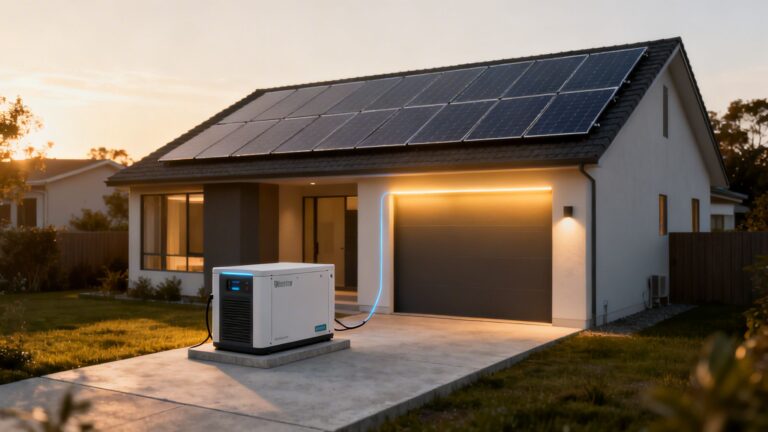
By adding a solar battery and an EV charger, you can capture that surplus energy and put it to work. This is how you transform your system from a simple bill-reducer into the foundation for genuine energy independence.

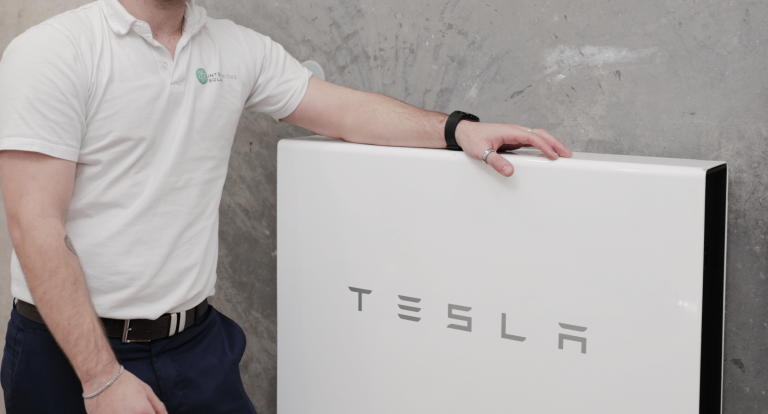
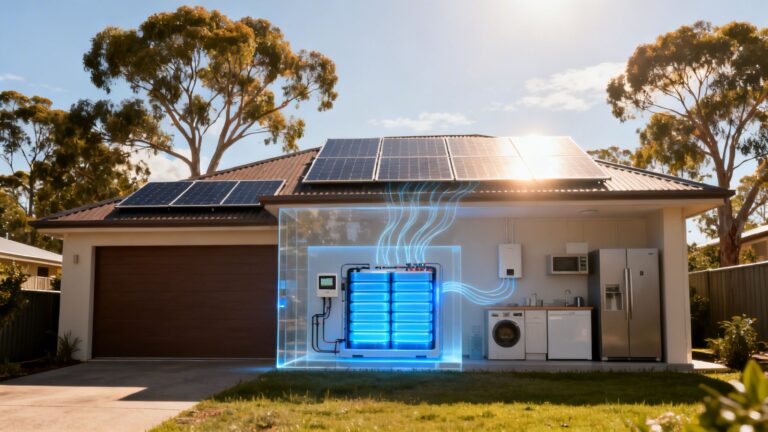
Adding a solar battery completely changes the game. Think of it as your own personal energy reservoir, storing all the clean power your panels produce during those sunny afternoons.
When the sun goes down and your energy usage starts to peak, the battery automatically kicks in. Suddenly, you’re running on stored sunshine all night long.
Becoming a 24/7 Solar-Powered Property
This stored energy is the secret to maximising your self-consumption. By using your own solar power around the clock, you slash your reliance on buying expensive electricity from the grid during those peak evening hours. It's the most powerful way to take back control over your energy bills.
A battery also adds an invaluable layer of security. During a blackout, a properly set-up battery system keeps your essential appliances running, giving you power and peace of mind when the rest of the street is dark.
A solar battery turns your 20 kW solar system into a 24/7 energy solution. It ensures not a single watt of your hard-earned solar power goes to waste, giving you energy security and the best possible financial return.
Battery storage in Australia has exploded in popularity, with the nation passing a quarter of a million installations by early 2024. It makes perfect sense. With the average Aussie household using around 20-25 kWh daily, a 20 kW system can generate over three times that amount—a massive surplus just waiting to be stored. You can discover more insights on the rise of battery installations in Australia and see just how many homeowners are taking charge.
Powering Your Drive with an EV Charger
Ready for the next step? An electric vehicle (EV) charger is the logical next piece of the puzzle. Your 20 kW solar system produces more than enough surplus energy to charge an EV, effectively turning your garage into your own private, zero-cost petrol station.
Forget paying for fuel or lining up at commercial charging stations. You simply plug in your car and let your solar system do all the work. It’s the ultimate synergy: your roof powers your home and your transport, all with clean, free energy from the sun.
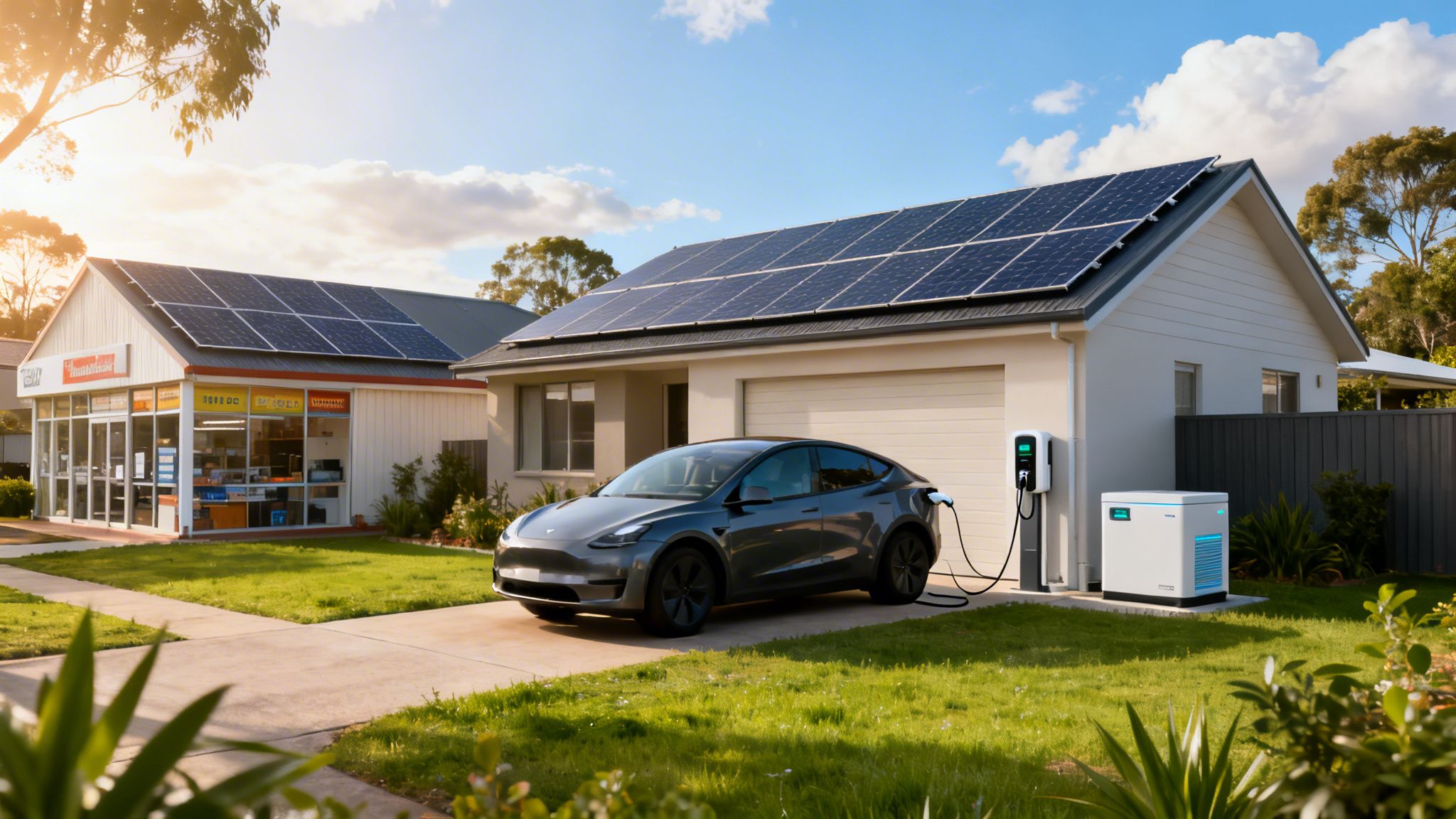
This creates a powerful, self-sufficient ecosystem:
- Solar Panels: Generate a huge amount of clean electricity during the day.
- Solar Battery: Stores the excess for use at night or during blackouts.
- EV Charger: Uses the surplus solar power to fuel your car for free.
This integrated setup doesn't just save you money today; it gets your property ready for an all-electric future. As more of our lives run on electricity, having your own generation and storage will become an incredibly valuable asset. If you’re considering this, our comprehensive battery comparison guide can help you find the perfect storage solution to pair with your 20 kW solar system.
Our Installation Process and Customer Care
Getting a 20 kW solar system onto your roof is a big investment, but the hardware is only half the story. The quality of the installation and the support you get afterwards are what truly determines your long-term success. We’ve built our entire process around getting the job done right the first time and being there for you for years to come.
It all starts with a proper conversation, face-to-face. We come out to your property to understand exactly what you need, analyse your site, and design a custom 20 kW system that’s genuinely tailored to deliver the energy independence and financial returns you’re after.
A Commitment to Quality at Every Step
Here’s something that sets us apart: we don’t use subcontractors. Your entire installation is handled by our own in-house, fully licensed technicians. This isn’t just a small detail; it means we have complete control over the workmanship and can stand behind every connection, every panel, and every mounting bracket. No finger-pointing, just accountability.
That commitment to quality carries through to the gear we use. We run our own local warehouse and showroom right here in Chipping Norton, NSW. This gives us direct control over our stock, ensuring we only supply and install premium solar panels, inverters, and mounting hardware that meet our tough standards for performance and durability.
Your investment deserves more than a quick, slap-dash setup. It needs a meticulous, professional installation that guarantees safety, maximises your energy production, and ensures your system performs perfectly for its entire 25+ year lifespan.
The quality of the installation directly impacts how much power your system generates and how long it lasts. For a closer look at why this is so critical, check out our article on why quality installations are essential for long-term value.
Our After-Care Promise to You
Our job isn’t finished the moment you flick the switch. We see ourselves as your long-term energy partner, and we back that up with a solid after-care promise.
Here’s what you can count on:
- Proactive System Monitoring: We have the ability to keep a close eye on your system’s performance from our end. Often, we can spot and diagnose a potential issue before you even know it exists.
- Responsive Local Support: If you have a question or a problem, you’re not calling a random help desk. You’re calling our local team, right here. We promise a fast response, with most troubleshooting needs handled within 48 hours.
When you choose us, you’re choosing a family-owned Australian business that takes pride in its work. We’re here to provide the expertise and reliable support to make sure your 20 kW solar system is a powerful, profitable asset for decades.
Your 20 kW Solar System Questions, Answered
Thinking about a big solar investment like a 20 kW system brings up a lot of questions. We get it. Here are the clear, no-nonsense answers to the most common queries we hear from home and business owners, helping you make a confident decision.
How Do I Know If I Really Need a System This Big?
The simplest sign? Your power bills are a serious line item in your budget. If you're wincing every time a quarterly bill lands, it’s a strong indicator you’re a high-energy user.
A 20 kW solar system isn't for your average home. It's built for properties with serious power demands. Think large family homes running ducted air conditioning, a heated pool, and maybe an EV. Or, it could be a small business with constant power draws like refrigeration, machinery, or all-day lighting.
The numbers don't lie. Check your daily electricity usage on your bill. If you're consistently pulling 60-80 kWh or more from the grid each day, a 20 kW system stops being an extravagance and starts being a smart, strategic investment to slash those costs.
What Happens on Cloudy Days or During a Blackout?
It’s a common myth that solar panels pack it in on cloudy days. The truth is, modern panels are incredibly efficient and will keep generating power even when it’s overcast, just at a lower rate.
Your system won't just shut down. On a really gloomy day, you might see its output drop to 10-25% of its sunny-day potential. But here’s the key: it’s still producing power, still offsetting what you’d otherwise buy from the grid.
However, a standard grid-tied system will shut down during a blackout. This isn’t a flaw; it’s a crucial safety feature called 'anti-islanding'. It stops your system from sending power back into the grid, protecting technicians working on the lines. If you want to keep the lights on during an outage, you’ll need to pair your 20 kW solar system with a solar battery. This gives you a personal power reserve for true energy independence.
How Long Does the Installation Take?
You’ll probably be surprised at how quickly a system this size can be installed by a seasoned team. For most residential and small commercial jobs, our in-house, licensed technicians can get the entire on-site installation done and dusted in just two to four days.
Of course, the timeline can shift slightly depending on things like a complex roof layout or bad weather. The full process—from our first site visit and system design to final grid connection—takes a bit longer. But we handle all the network provider paperwork and coordination, making the entire experience completely hassle-free for you.
A quality installation is everything. It's the foundation for decades of performance and safety. We pride ourselves on meticulous workmanship, ensuring your investment is built to last and works perfectly from day one.
What Kind of Maintenance Does a 20 kW System Need?
Honestly, very little. A well-designed, professionally installed 20 kW solar system is a set-and-forget workhorse. The main job is just keeping the panels clean from things that block sunlight, like thick dust, bird droppings, or shadowing from overgrown trees. For most places in NSW, regular rainfall does a pretty good job of this.
To be safe, we recommend a professional check-up and clean every one to two years. This is a chance for a technician to give it a full health check: inspect the inverter, test the electrical connections, and make sure the mounting is still rock-solid. With just that minimal upkeep, your system will be reliably generating clean energy for 25 years or more.
Ready to take control of your energy bills with a powerful solar solution? The team at Interactive Solar has over 20 years of combined experience designing and installing premium solar, battery, and EV charging systems for homes and businesses across NSW.
Contact us today for a free, no-obligation consultation and custom quote.